The Escalating War for the Wild: Challenges in Modern Conservation
Wildlife conservation has evolved from a niche interest into a global necessity. As human populations expand and industrial activities intensify, the ecosystems that sustain life are under unprecedented pressure. While the headlines often focus on the triumphs of species recovery, the reality on the ground remains a complex, uphill battle.
The most formidable obstacle is habitat loss and fragmentation. As forests are cleared for agriculture, infrastructure, and urban development, wildlife populations are pushed into smaller, isolated pockets. This not only strips animals of their food sources and breeding grounds but also leads to inbreeding and increased susceptibility to disease.
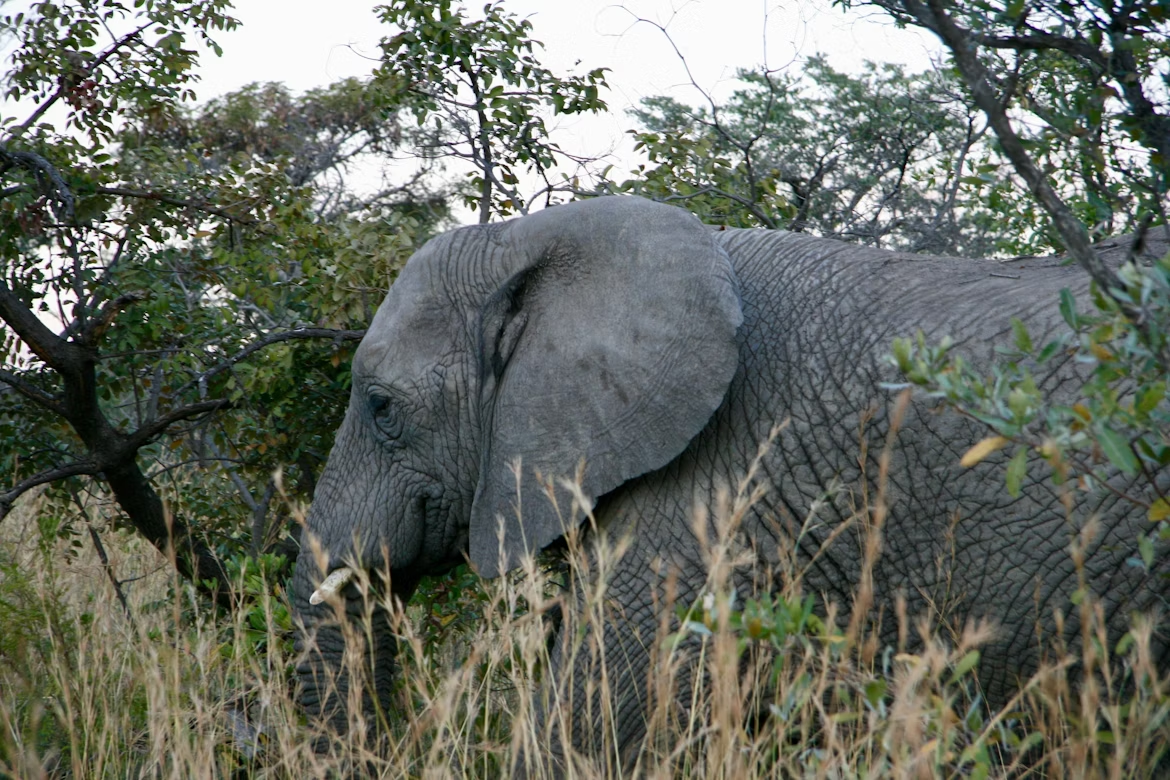
When habitats are sliced by highways or fences, migration becomes impossible, turning thriving ecosystems into "islands" that cannot support healthy populations.
Furthermore, illegal wildlife trade and poaching continue to devastate biodiversity. Fueled by high demand in illicit markets, poachers target charismatic and endangered species, often with sophisticated technology that puts conservationists at a disadvantage.
Policing vast, remote areas is a logistical nightmare, leaving vulnerable species exposed to those who prioritize profit over ecological integrity.
Climate change acts as a "threat multiplier," complicating every other challenge. Rapidly shifting temperatures and altered weather patterns force species to migrate into areas where they may not have the resources to survive.
Meanwhile, conservation efforts often struggle with limited funding; biodiversity loss simply cannot compete with short-term economic gains in many political arenas.
Finally, there is the human-wildlife conflict. As shared spaces dwindle, humans and animals increasingly clash over resources. Without community-driven solutions that provide economic alternatives to local populations living near wildlife, conservation remains an abstract concept that often ignores the daily struggles of people.
Protecting our planet’s wildlife requires more than just goodwill. It demands a holistic approach that bridges the gap between scientific research, robust international policy, and deep-rooted community engagement. If we are to secure a future for our planet’s fauna, we must move beyond reactive measures and address the systemic drivers of extinction.
Thank you for sharing on steem! I'm witness fuli, and I've given you a free upvote. If you'd like to support me, please consider voting at https://steemitwallet.com/~witnesses 🌟