The Web3 Intelligence Stack in 2026: Six Tools Every On-Chain Analyst Should Know
The crypto market in 2026 is moving faster than ever. New protocols launch daily, whale wallets shift billions between chains, and a single false flag on a smart contract can kill a project's reputation overnight. In this environment, "doing your own research" is no longer about reading whitepapers — it's about having the right data infrastructure in place. This article breaks down six SaaS tools that are changing how traders, developers, and founders navigate the on-chain world right now.
1. Defx — Self-Custodial Perpetuals With Real Edge
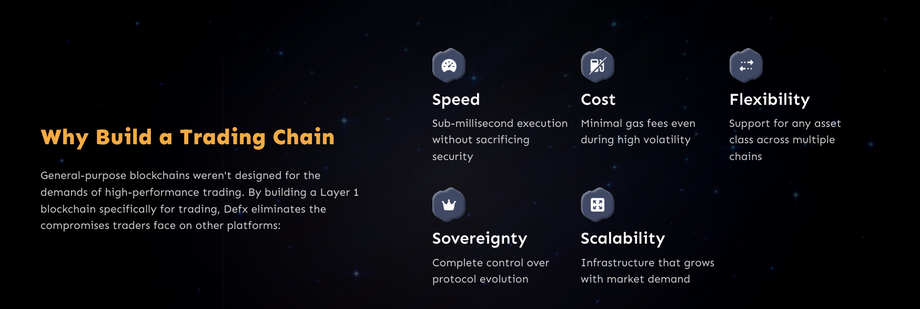
Most traders still use centralized exchanges they don't fully control. Defx is built on a different premise: a self-custodial perpetuals DEX running on its own L1, with audited bridges from Arbitrum. You keep control of your funds while trading major crypto and memecoin perpetual contracts with up to 50x leverage. The combination of deep liquidity, high transparency, and no custodial risk makes it one of the more interesting trading venues to emerge in this cycle. For active traders who got burned by exchange collapses in previous years, this architecture matters.
2. SightWhale (Kakalau) — Following the Smart Money on Prediction Markets
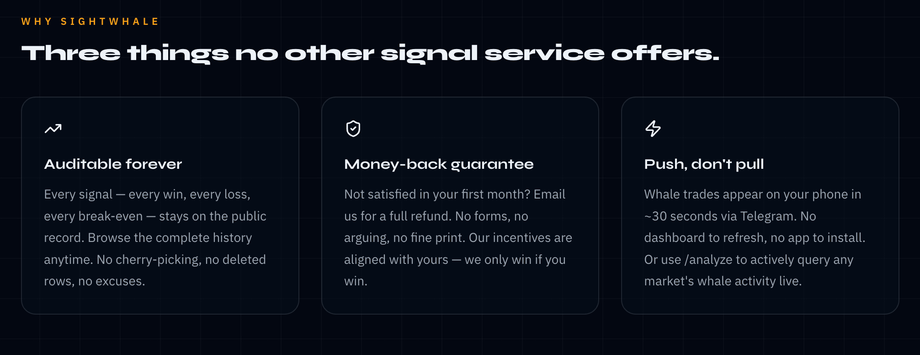
Polymarket has become one of the most liquid prediction market platforms in the world, but tracking the best traders on it manually is nearly impossible. SightWhale solves this by continuously monitoring every trade made by the top 1% most profitable wallets on Polymarket and delivering high-conviction signals to your phone via Telegram in roughly 30 seconds. What sets it apart from most signal services is transparency: every signal — wins, losses, and break-evens — is published on a public history page. There's no cherry-picking, no deleted rows. The platform covers elections, sports, and crypto markets around the clock.
3. WalletFinder.ai — X-Ray Vision for DeFi Wallets
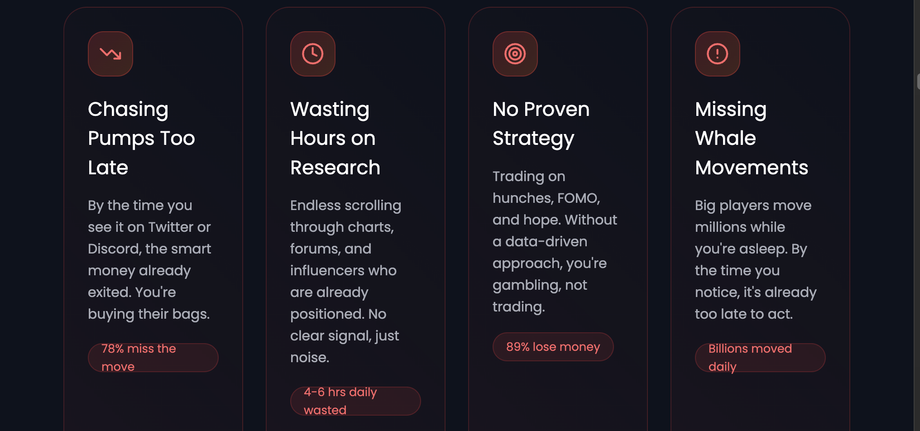
The biggest edge in DeFi has always been knowing what the profitable wallets are doing before everyone else reacts. WalletFinder.ai is built around exactly this idea. The platform tracks over 10,000 active wallets across Ethereum, Solana, Base, and other chains, letting you filter by win rate, realized profit, trade frequency, average return multiple, and more. Pro users get unlimited wallet reveals, full PNL data, export capabilities, and instant Telegram alerts when a tracked wallet makes a move. With over 20,000 traders using it and 30 million transactions processed daily, it's become a serious piece of kit for anyone running a data-driven DeFi strategy.
4. Tokenomics.net — Building Token Economies That Don't Collapse
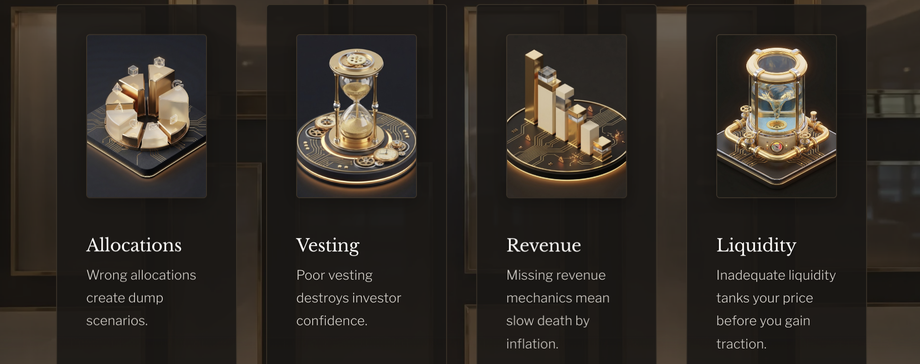
Analytics and market intelligence aren't only about reading the market — they're also about building things the market can trust. Tokenomics.net is a consultancy and toolset focused on token design, documentation, and economic strategy for Web3 founders. The team has advised over 80 projects and offers everything from mechanism design and vesting schedule modeling to full investor-grade data rooms with Monte Carlo simulations. The core insight behind the service is simple: most tokens fail because of predictable structural problems in allocation, vesting, liquidity, and revenue mechanics — problems that are solvable before launch if you have the right framework. In 2026, with institutional money increasingly scrutinizing tokenomics before entering positions, having solid fundamentals here is a market intelligence advantage in itself.
5. DappDetect — Protecting Your Web3 Reputation From False Flags
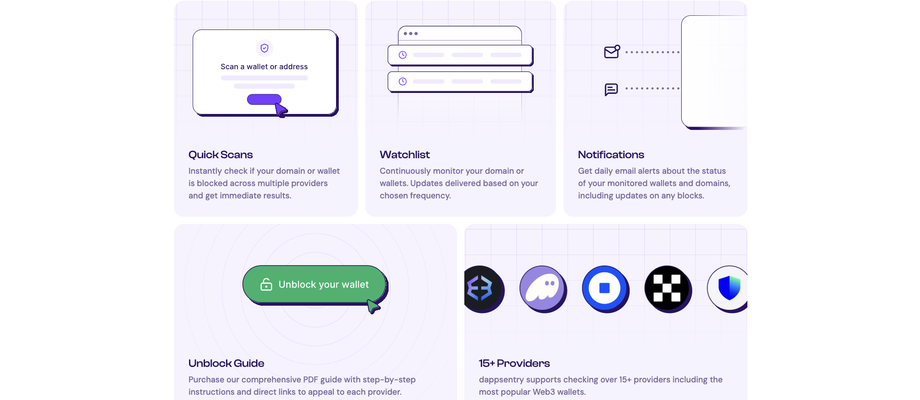
One of the less-discussed threats in Web3 is getting falsely flagged as a scam. A wallet, domain, or smart contract that gets added to a blacklist database — even incorrectly — can immediately lose user trust, get blocked by browsers, and hemorrhage revenue. DappDetect monitors wallets, domains, and smart contracts across 15+ blacklist and threat intelligence databases in real time. When a false positive appears, the platform delivers immediate alerts and step-by-step resolution workflows to dispute and remove the flag quickly. For any DeFi protocol, NFT project, or wallet infrastructure company, this kind of reputation monitoring is increasingly essential infrastructure, not an optional extra.
6. UTXOS — Developer Infrastructure for the Next Wave of Web3 Apps
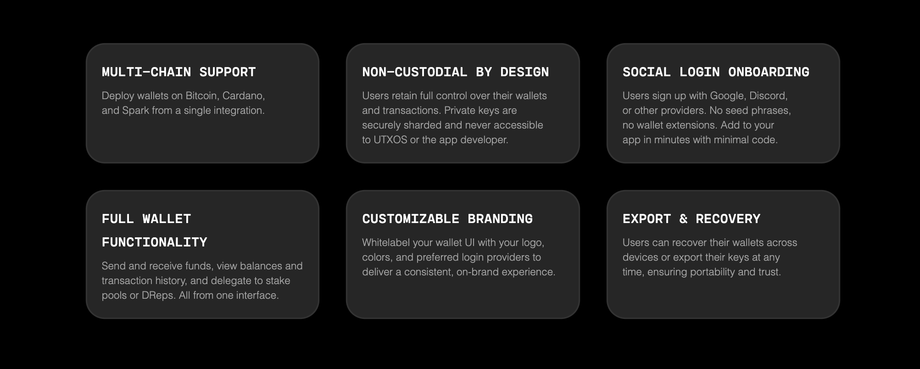
The hardest part of onboarding users to Web3 applications has always been the wallet setup — seed phrases, browser extensions, gas fees. UTXOS removes all of that friction. It's a Wallet-as-a-Service platform purpose-built for Bitcoin, Cardano, and Spark that lets developers integrate social login wallets (Google, Discord) in hours. Users never see a seed phrase. Developers can also sponsor transaction fees so their users never hit a gas-cost barrier at the point of engagement. For founders building products on UTXO-based chains, this is the infrastructure layer that makes real user growth possible without forcing everyone to become a crypto native first.
Final Thoughts
The tools in this list cover different layers of the Web3 intelligence stack: trading execution, signal intelligence, wallet analytics, tokenomics design, reputation protection, and developer infrastructure. The common thread is that they all reduce the information asymmetry that makes crypto hard to navigate. In 2026, the teams and individuals who understand their data environment — and act on it early — have a genuine structural advantage over those who are still reacting to the market after the fact.