Transformer Container Solutions: Protect Electrical Systems
Modern industrial operations rely heavily on uninterrupted power. However, establishing reliable power distribution networks in remote, harsh, or rapidly expanding environments presents massive logistical and financial challenges. Building traditional brick-and-mortar substations is no longer the default choice for agile businesses. This is where a custom transformer container changes the landscape of electrical infrastructure.
By shifting away from time-consuming civil engineering projects, utility companies, EPC contractors, and industrial facility managers are embracing modular power solutions. A custom-built transformation container provides unparalleled flexibility, allowing critical power infrastructure to be deployed, scaled, or relocated at a fraction of the traditional cost and time. Whether you are powering a remote oil rig, integrating a sprawling solar farm, or rapidly expanding a data center, housing your medium-voltage and low-voltage systems in secure, containerized units ensures your equipment remains protected, compliant, and continuously operational.
What Is a Transformer Container?
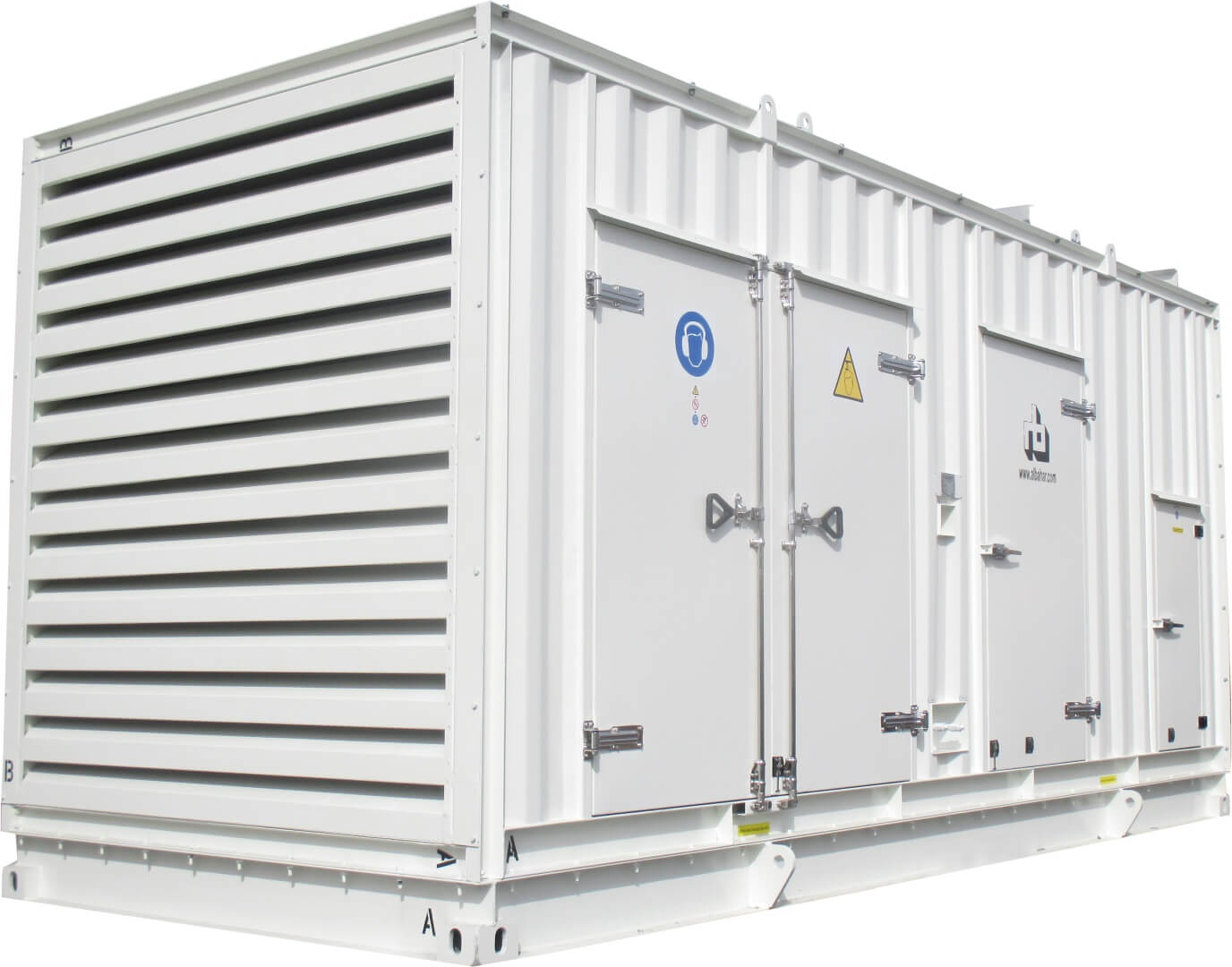
A transformer container is a specialized, rugged metal enclosure designed to safely house, protect, and transport heavy electrical transformers . These containerized substations provide environmental protection, security, and climate control, offering a highly portable and cost-effective alternative to constructing traditional permanent brick-and-mortar electrical rooms.
Available in standard ISO 20 ft and 40 ft containers, or as fully custom-built dimensions, these units are structurally engineered to handle the immense static and dynamic weight of heavy power transformers. They are not merely empty shipping boxes; they are highly engineered electrical enclosures that integrate advanced safety protocols, environmental controls, and sophisticated cable management systems. By packaging vital and sensitive transformation equipment, project managers achieve a cohesive, plug-and-play modular substation ready for immediate grid connection.
How Does a Transformer Container Work?
A transformer container works by providing a secure, climate-controlled micro-environment for sensitive electrical distribution equipment. It features structural mounting points to stabilize heavy transformers, integrated easy cable access ports for seamless grid connection, and specialized ventilation or air conditioning systems to dissipate the intense heat generated during power transformation.
The process begins with the physical housing of the transformation equipment. Because transformers generate substantial heat loads during operation, the container functions as an advanced thermal management system. High-capacity forced ventilation, air conditioning units, and specialized air filters maintain optimal operating temperatures, preventing equipment degradation. Additionally, the container acts as a physical barrier against external threats. Secure access doors allow maintenance personnel to enter safely, while heavy-duty lifting arrangements enable heavy cranes to lift and position the entire pre-commissioned electrical distribution network directly onto a prepared concrete pad.
Key Benefits of a Transformer Container
The primary benefits of a transformer container include rapid deployment, exceptional mobility, and massive cost savings on civil construction. They offer superior protection against harsh weather, dust, and moisture while ensuring high operational safety through integrated fire suppression systems, secure access doors, and customizable sound attenuation for noise reduction.
Cost-Effective Alternative to Civil Construction
Constructing a permanent on-site substation involves pouring foundations, erecting structures, and navigating complex local building permits. A container unit offers a flexible, portable, and cost-effective alternative to constructing an on-site substation for housing . By shifting the construction into a controlled manufacturing facility, you drastically reduce expensive on-site labor hours, minimize material waste, and completely avoid weather-related construction delays.
Rapid Deployment and Scalability
Time is money in infrastructure development. Containerized power distribution solutions arrive on-site fully integrated, pre-wired, and rigorously tested. This plug-and-play capability slashes installation and commissioning times from months down to a matter of days. As your facility grows, you can easily scale your power capabilities simply by dropping another modular substation unit onto the site.
Transformer Container Applications Across Industries
Transformer containers are used in diverse industries requiring reliable, decentralized power distribution. Key applications include temporary power for massive construction sites, grid integration for solar and wind renewable energy plants, remote oil and gas drilling operations, heavy mining facilities, and rapid capacity expansion for high-density data centers.
Renewable Energy Plants
Solar farms and wind turbine arrays are frequently located in remote, environmentally harsh areas. To feed generated power back into the utility grid, these facilities rely on distributed transformation points. Modular electrical enclosures protect the delicate inverter and transformer systems from harsh ultraviolet degradation and extreme weather fluctuations.
Data Centers and Telecom
Data centers consume staggering amounts of electricity and cannot tolerate even a millisecond of downtime. When expanding server capacity, operators utilize modular transformer containers to rapidly scale their incoming power infrastructure. These units provide the secure, climate-controlled environments that mission-critical backup power systems demand.
Why Transformer Containers Are Essential for Modern Power Infrastructure
The global push toward smart grid infrastructure and decentralized power generation has fundamentally changed how electrical engineers approach project design. Historically, power flowed one way from a massive central plant. Today, power generation is scattered across thousands of smaller nodes. This decentralization requires localized, highly reliable power transformation points.
Transformer containers provide the exact physical infrastructure needed to support this modern grid. They protect the delicate balance of medium-voltage and low-voltage systems required to step down power for industrial use or step up power for long-distance transmission. When utility companies face sudden spikes in regional power demand, deploying pre-commissioned transformation equipment allows them to stabilize the grid rapidly. Furthermore, these heavy-duty enclosures protect critical infrastructure from physical vandalism and unauthorized access, keeping the public safe from dangerous high-voltage equipment.
Design Considerations for Transformer Containers
Procuring an industrial-grade container requires careful engineering analysis. You cannot simply modify a standard shipping container and expect it to safely house high-voltage utility equipment. Expert manufacturers build these units from the ground up to ensure absolute structural rigidity and safety.
Structural Integrity and Lifting Arrangements
Transformers are incredibly heavy, often weighing thousands of kilograms. The base frame of the transformation container must feature reinforced structural steel to prevent floor buckling or warping during transport. Integrated lifting arrangements ensure the unit remains perfectly balanced when suspended from a heavy crane during site installation.
Ventilation, Cooling, and Thermal Management
Electrical resistance generates intense heat. If this heat becomes trapped inside the enclosure, the transformer will overheat, causing catastrophic failure and severe fire risks. Engineers implement precise thermal management strategies, ensuring sufficient accesses, air ventilation, and safety measures. Options such as forced ventilation, air conditioning, and filters guarantee that only clean, cool air circulates around the electrical equipment.
Cable Management and Access
A power distribution network involves hundreds of thick, heavy cables. Custom-built transformer containers feature highly organized, easy cable access points. Specialized gland plates in the floor or walls allow engineers to route incoming and outgoing lines safely, maintaining the unit's stringent IP rating while eliminating dangerous cable strain.
Safety and Compliance Requirements
When dealing with massive electrical loads, safety is absolutely paramount. Industry regulations dictate strict compliance standards for any enclosure housing live electrical equipment. A premium transformer container incorporates multiple layers of redundant safety features to protect both the equipment and the operating personnel.
Fire Detection and Suppression Systems
Electrical faults can rapidly ignite insulation materials or transformer oils. To mitigate this risk, customized enclosures integrate advanced fire detection and fire suppression systems. If a sudden temperature spike or smoke is detected, the system immediately floods the container with clean fire-suppressing agents, neutralizing the threat without destroying the sensitive electrical components.
Ingress Protection and Acoustic Control
Manufacturers test these units rigorously to certify their Ingress Protection ratings. While a basic unit might feature IP 23 protection, highly sensitive environments demand IP 54, IP55, or completely dust-tight IP65 ratings. Additionally, the hum of a large transformer causes severe noise pollution. Manufacturers apply advanced sound attenuation and insulation to the interior walls, ensuring the facility meets strict occupational noise regulations.
Transformer Container Solutions in UAE, Dubai, Sharjah and GCC Markets
The Middle East presents some of the most challenging environmental conditions for electrical equipment. Searing summer temperatures, high humidity, and aggressive coastal salinity rapidly degrade unprotected machinery. When executing critical infrastructure projects in this region, sourcing a localized, highly resilient transformer container UAE manufacturers produce is vital for long-term success.
Working with an experienced regional manufacturer like Al-Bahar MCEM, located in Dubai Industrial City, U.A.E., provides massive logistical and engineering advantages. When you require a robust transformer container Dubai engineering standards guarantee it will withstand the extreme ambient heat of the Arabian Peninsula. Whether your project is based in the bustling ports of the UAE or requires heavy infrastructure shipped across the border, relying on custom-built transformer containers Sharjah and Dubai facilities construct ensures rapid delivery and full compliance with local electrical grid codes.
This regional manufacturing excellence extends across the entire Gulf. Industrial developers frequently source rugged transformer containers Qatar and transformer containers Bahrain for their massive LNG expansions and refinery upgrades. Similarly, high-quality transformer containers Kuwait and transformer containers Oman are essential for securing continuous power across sprawling desert drilling operations. By utilizing local manufacturing expertise, project managers secure units featuring heavy-duty powder coating finishes and highly resilient epoxy painting finishes designed specifically to resist aggressive regional corrosion.
Choosing the Right Transformer Container for Your Project
Selecting the appropriate electrical enclosure dictates the long-term reliability of your power network. Off-the-shelf solutions rarely meet the strict demands of complex industrial environments. You must seek out fully custom built solutions tailored entirely to your specific thermal loads, physical dimensions, and safety requirements.
Partnering with established manufacturers ensures you receive comprehensive engineering support from the initial design phase through final site installation. Look for providers who offer extensive customization options, including specialized access doors, internal lighting, and integrated grounding systems. A reliable manufacturer will consult with your electrical engineers to guarantee the final product perfectly houses your specific make and model of switchgear and transformer, providing a seamless, highly efficient modular substation.
Future Trends in Containerized Power Distribution
The future of electrical infrastructure is highly modular and increasingly intelligent. As the smart grid evolves, transformer containers are transitioning from passive physical enclosures into active, data-driven network nodes. Future units will feature deep integration with the Internet of Things (IoT), allowing operators to monitor internal temperatures, humidity levels, and security access remotely in real-time.
Furthermore, sustainability initiatives are driving the use of advanced, eco-friendly materials in the manufacturing process. We will see increased use of highly recyclable metals, non-toxic fire suppression gases, and ultra-efficient cooling systems powered by integrated solar panels on the container roof. These advancements will make containerized power solutions even more attractive for forward-thinking infrastructure developers aiming to reduce their carbon footprint while maintaining maximum grid reliability.
Frequently Asked Questions
1. What is a transformer container?
A transformer container is a highly engineered, rugged metal enclosure designed to house, protect, and transport heavy electrical transformers and switchgear. It provides a climate-controlled, secure environment that acts as a modular substation for power distribution networks.
2. What are transformer containers used for?
They are used to provide safe, decentralized power transformation for industrial sites, remote oil rigs, renewable energy plants, and data centers. They protect sensitive electrical equipment from harsh weather, dust, and physical damage.
3. What is the difference between a transformer container and a substation?
A traditional substation is a permanent facility built using civil construction (concrete and bricks). A transformer container is a portable, modular steel enclosure that serves the exact same function but can be manufactured off-site and rapidly deployed.
4. How long do transformer containers last?
When constructed with heavy-duty steel and treated with premium epoxy painting or powder coating finishes, a high-quality unit can easily last for decades, even in highly corrosive or extreme industrial environments.
5. Are transformer containers suitable for harsh environments?
Yes. Manufacturers build these enclosures specifically for harsh conditions. They feature high IP ratings (like IP54, IP55, or IP65) to block dust and water, and integrate heavy-duty HVAC systems to manage extreme external temperatures.
6. Can transformer containers be customized?
Absolutely. Manufacturers like Al-Bahar MCEM offer fully custom-built units. You can specify exact dimensions (such as standard ISO 20 or 40 ft), cooling systems, cable access points, sound attenuation, and fire suppression systems to match your exact project requirements.
7. What safety features should a transformer container have?
Critical safety features include automated fire detection and fire suppression systems, secure access doors, proper air ventilation to prevent heat buildup, and strict ingress protection to prevent water-induced short circuits.
8. What industries use transformer containers?
Major users include the oil and gas sector (utilizing specific off-shore models), renewable energy (solar and wind), heavy mining, telecommunications, high-density data centers, and massive commercial construction projects requiring temporary power.
9. Why are transformer containers popular in the UAE and GCC?
The UAE and GCC experience extreme heat, abrasive sandstorms, and coastal humidity. These custom-built, climate-controlled enclosures offer the absolute best physical protection for sensitive electrical grids in these harsh desert environments.
10. How do transformer containers support renewable energy projects?
Solar and wind farms are highly decentralized. Transformer containers provide the essential, weather-proof connection points required to safely step up the generated power and feed it efficiently into the main utility grid.
Conclusion
Securing your critical electrical infrastructure is no longer a matter of pouring concrete and waiting months for construction to finish. A custom-built transformer container offers a highly flexible, incredibly robust, and cost-effective solution for modern power distribution. By housing your vital transformation equipment in a meticulously engineered, climate-controlled enclosure, you eliminate environmental risks, drastically speed up project deployment times, and ensure continuous operational safety. Whether you are powering a remote desert drilling site or expanding a massive urban data center, modular electrical enclosures provide the reliable foundation your project demands.
Transform Your Electrical Infrastructure Today
Do not leave your critical power infrastructure exposed to harsh environments or delayed by slow civil construction. Trust the engineering experts to protect your valuable investments. Contact Al-Bahar MCEM today for a free, no-obligation consultation and discover how our custom-built transformer and switchgear containers can accelerate your next industrial project.