The Cognitive Shift: How Technology is Rewiring Human Thought
For centuries, the human brain was shaped primarily by biological evolution and the physical environment. Today, however, our primary architect is technology. From the way we process information to our capacity for deep focus, the digital landscape is fundamentally rewriting the neural pathways of human thought.
The most immediate impact of technology is our shift toward "externalized cognition." In the past, memory was a survival skill; we had to retain facts and sequences to navigate the world. Today, search engines and AI act as an auxiliary neocortex.
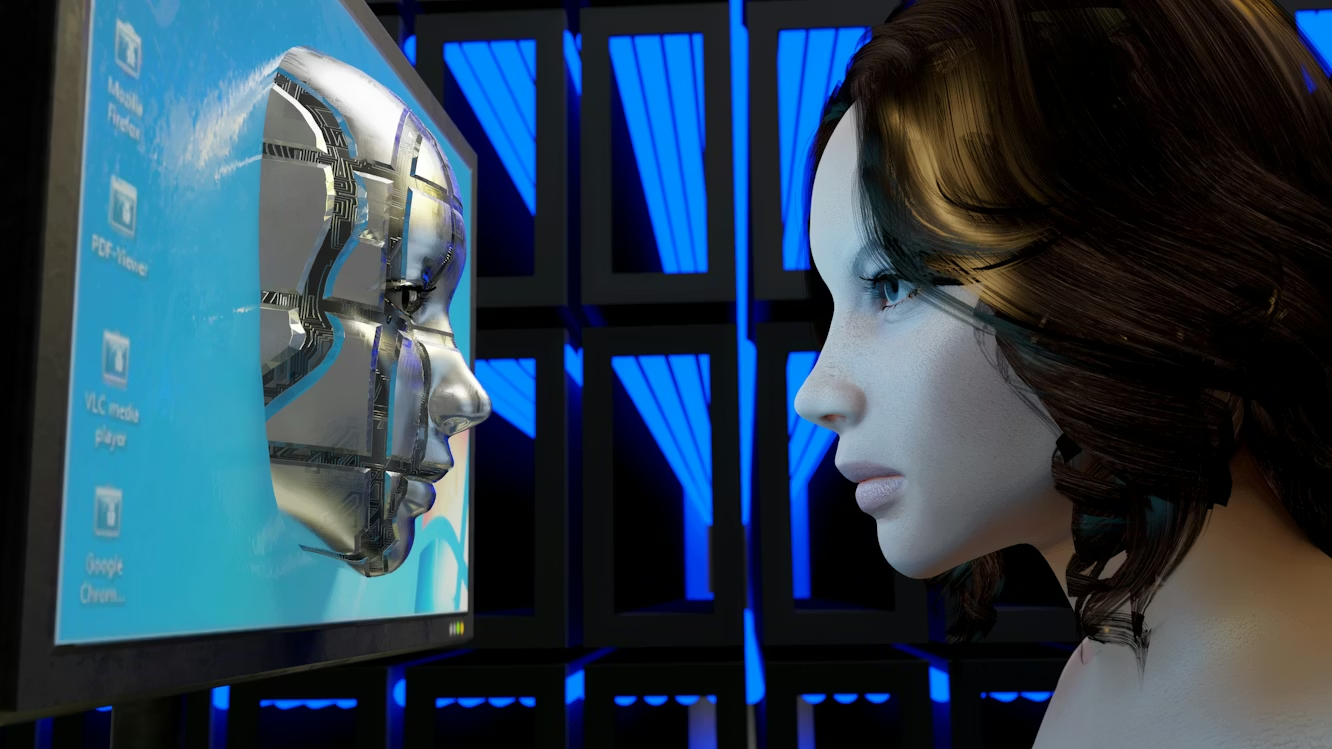
While this offloading of data allows us to prioritize complex problem-solving over rote memorization, it also changes the texture of our intellect. We are becoming more adept at navigating information networks, but perhaps less patient with the slow, linear process of internalizing deep knowledge.
Furthermore, technology has altered the architecture of our attention. The "scroll culture" fostered by social media platforms prioritizes rapid-fire stimulus over sustained inquiry.
Our brains, inherently neuroplastic, have adapted to this environment by becoming highly efficient at task-switching. While this makes us masters of multi-channel communication, it often comes at the expense of "deep work"—the ability to focus without distraction on cognitively demanding tasks.
Yet, this shift is not inherently a decline; it is an evolution. Technology allows us to model complex systems, simulate future scenarios, and collaborate across vast geographic distances in real-time. We are transitioning from individuals who hold knowledge to nodes in a global intelligence network.
As we move forward, the challenge is not to retreat from technology, but to remain intentional. We must cultivate the discipline to unplug, engage in contemplative thought, and protect the "slow brain" processes that drive true innovation.
By balancing our digital reliance with intentional cognitive habits, we can ensure that while technology shapes our thoughts, we remain the architects of our own purpose.