Tartarian Buildings and Architecture. 7
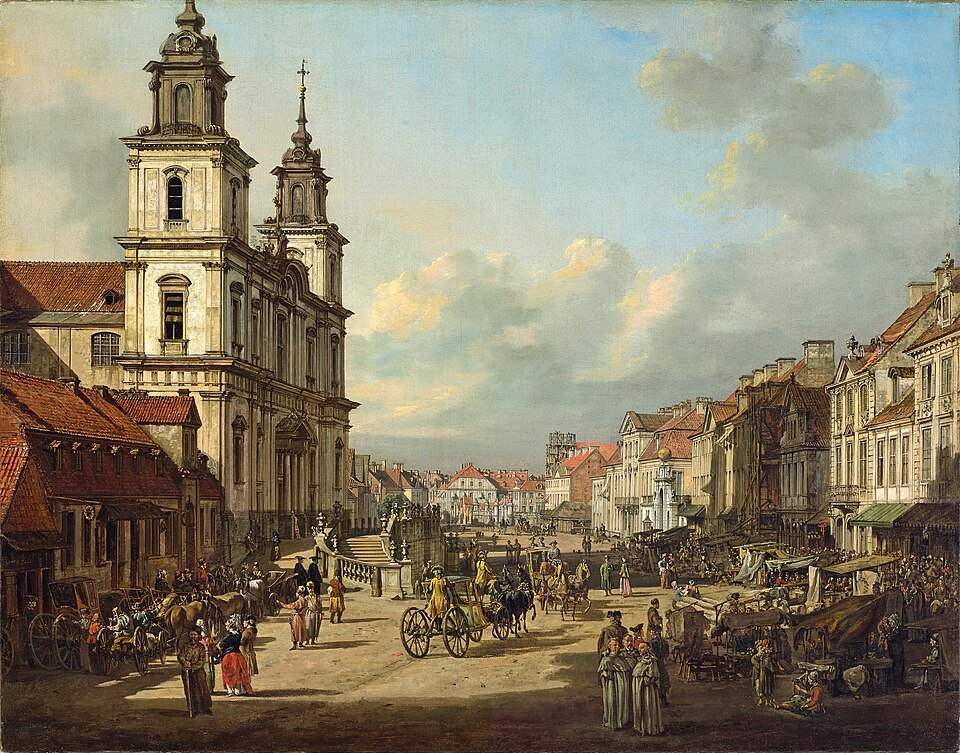
This image is a painting titled View of Cracow Suburb from Nowy Świat Street (also known as Church of the Holy Cross in Warsaw), created in 1778 by the Italian painter Bernardo Bellotto.
Key Details:
• Where: It depicts a street scene in Warsaw, Poland, specifically showing the Basilica of the Holy Cross (Kościół Świętego Krzyża) on the left-hand side. The view is from Nowy Świat street looking toward the Krakowskie Przedmieście.
• When: The scene captures life in 18th-century Warsaw. This particular painting was completed just a few years before Bellotto's death in 1780.
• Historical Significance: Bellotto’s cityscapes (vedute) of Warsaw were so detailed and accurate that they were used as primary references to rebuild the city after it was largely destroyed during World War II.
• Current Location: The original oil on canvas painting is housed in the National Museum in Warsaw.
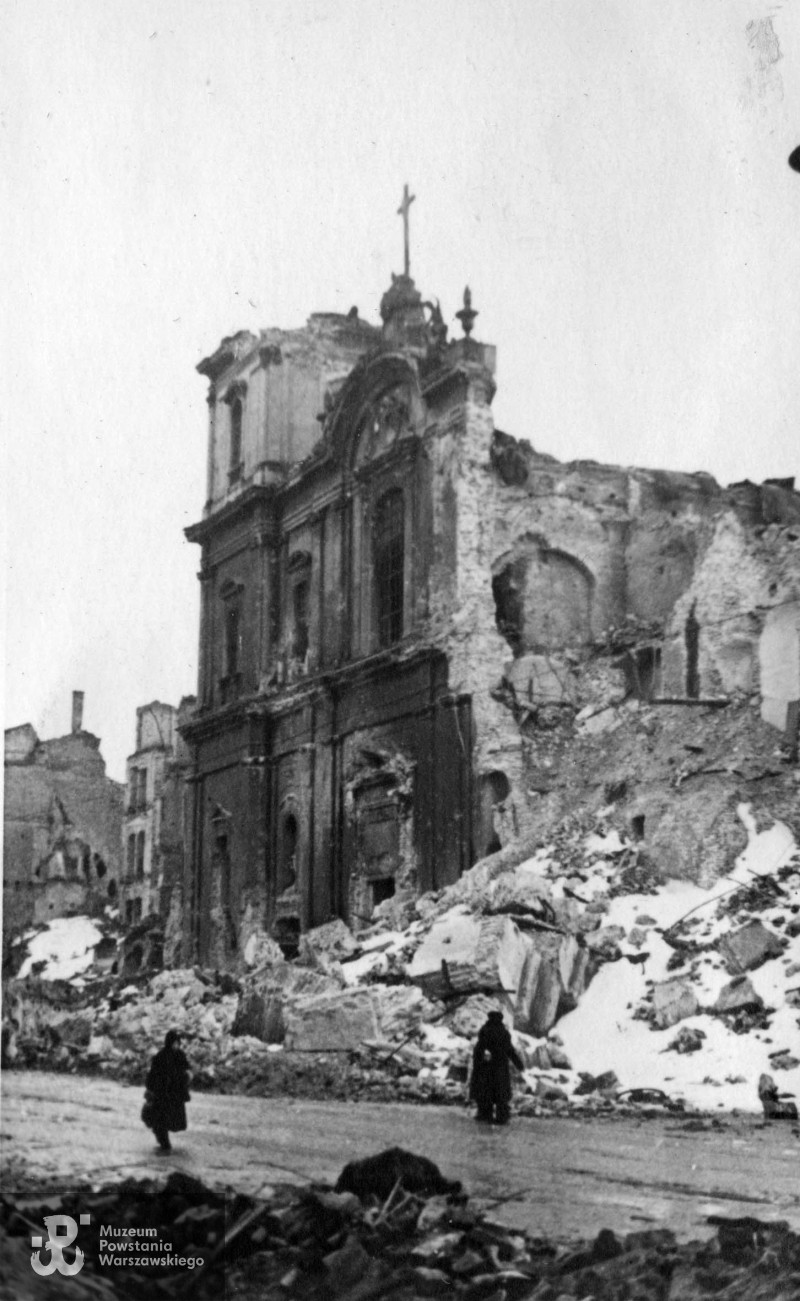
This image depicts the ruins of the Church of the Holy Cross (Polish: Bazylika Świętego Krzyża) in Warsaw, Poland. This photograph was taken during or shortly after World War II, showing the significant damage the building sustained during events like the Warsaw Uprising of 1944.
Key Details of the Church
• Location: Situated on Krakowskie Przedmieście, one of Warsaw's most prominent historical streets, opposite the main University of Warsaw campus.
• Architectural Significance: It is one of the most notable Baroque churches in the Polish capital.
• Frédéric Chopin’s Heart: The church is famously the final resting place for the embalmed heart of composer Frédéric Chopin, which was brought there after his death in 1849.
• Destruction and Reconstruction: During the 1944 uprising, the church was burned, looted, and severely destroyed by German forces. It was later meticulously reconstructed and restored to its original Baroque design after the war.
The church remains a major landmark on the Royal Route and a symbol of Polish history and resilience.
The reconstruction of the Church of the Holy Cross took place in several phases over nearly 30 years to reach its current state:
• Initial Rebuilding (1945–1953): The main structure was rebuilt in a simplified architectural form relatively quickly after the war.
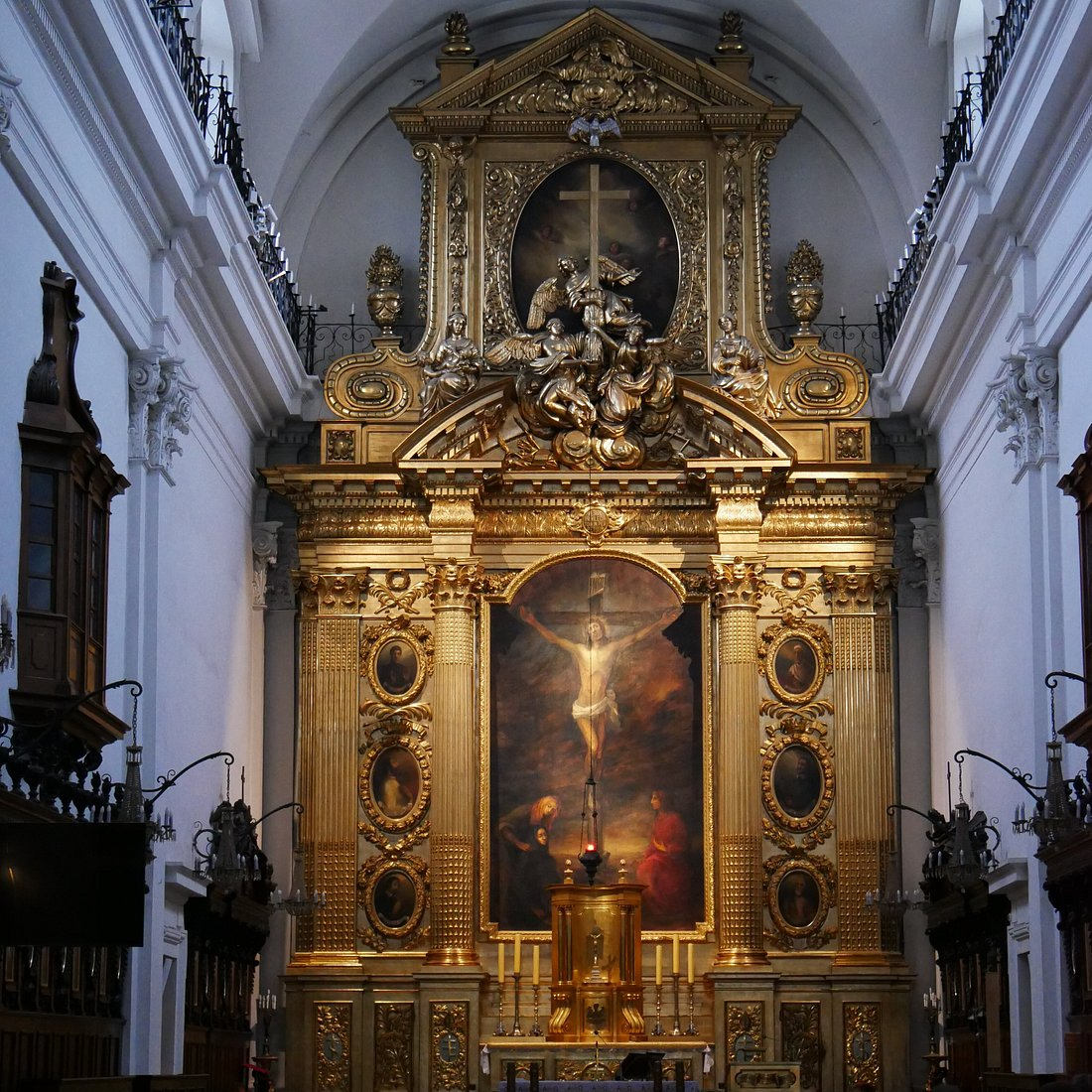
• Main Altar (1960–1972): The reconstruction of the elaborate Baroque high altar was a much longer process, not completed until 1972.
• Interior Details: While the exterior was restored, much of the original interior's Baroque frescoes and polychromes were not recreated, leaving the inside simpler than its pre-war appearance.
The speed of the initial work was part of a massive, city-wide effort led by the Warsaw Reconstruction Office (BOS), which aimed to restore Warsaw's historical "Royal Route" and identity as quickly as possible.