Why Johnson Matthey 1 oz bars are a vintage goldmine.
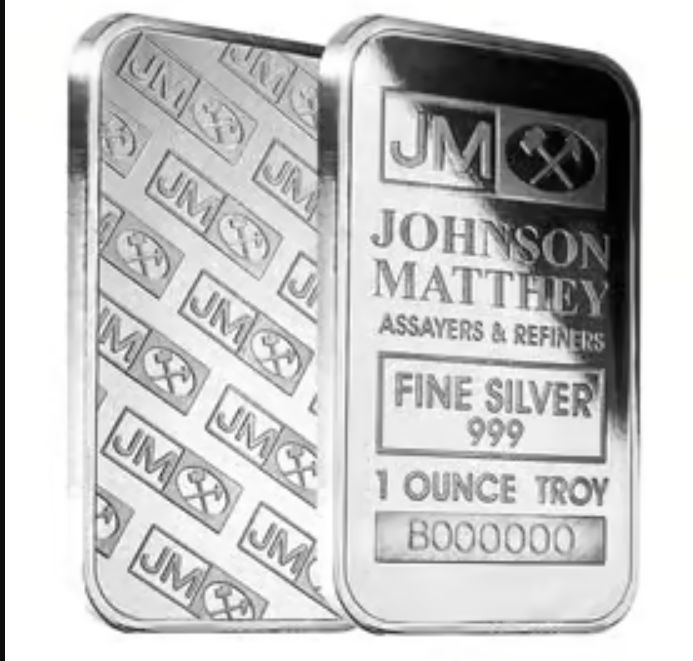
For stackers and collectors alike, the Johnson Matthey 1 oz silver bar represents far more than just 31.1 grams of pure .999 fine silver. It stands as a frozen piece of monetary history, minted by a legendary British institution whose roots stretch back to London in 1817. Because the firm permanently exited the precious metals refining sector in 2015, the secondary market supply of these iconic bars is completely capped. Every time an investor secures one of these vintage pieces, they are removing a finite historical artifact from global circulation, transforming a simple bullion play into a true collector’s pursuit.
What truly elevates these specific bars in today's surging market is the phenomenon of the numismatic premium. While standard, newly minted bullion trades tightly alongside the fluctuating live silver spot price, vintage Johnson Matthey bars command a distinct price surplus. Collectors actively hunt for unique serial number variations, early "A" prefix printings, and pristine bars still sealed in their original, reflective mint plastic. This intense demand has driven individual 1 oz secondary-market pieces to routinely fetch anywhere from £75 to well over £180 on secondary platforms, drastically outperforming generic sovereign rounds on a per-ounce basis.
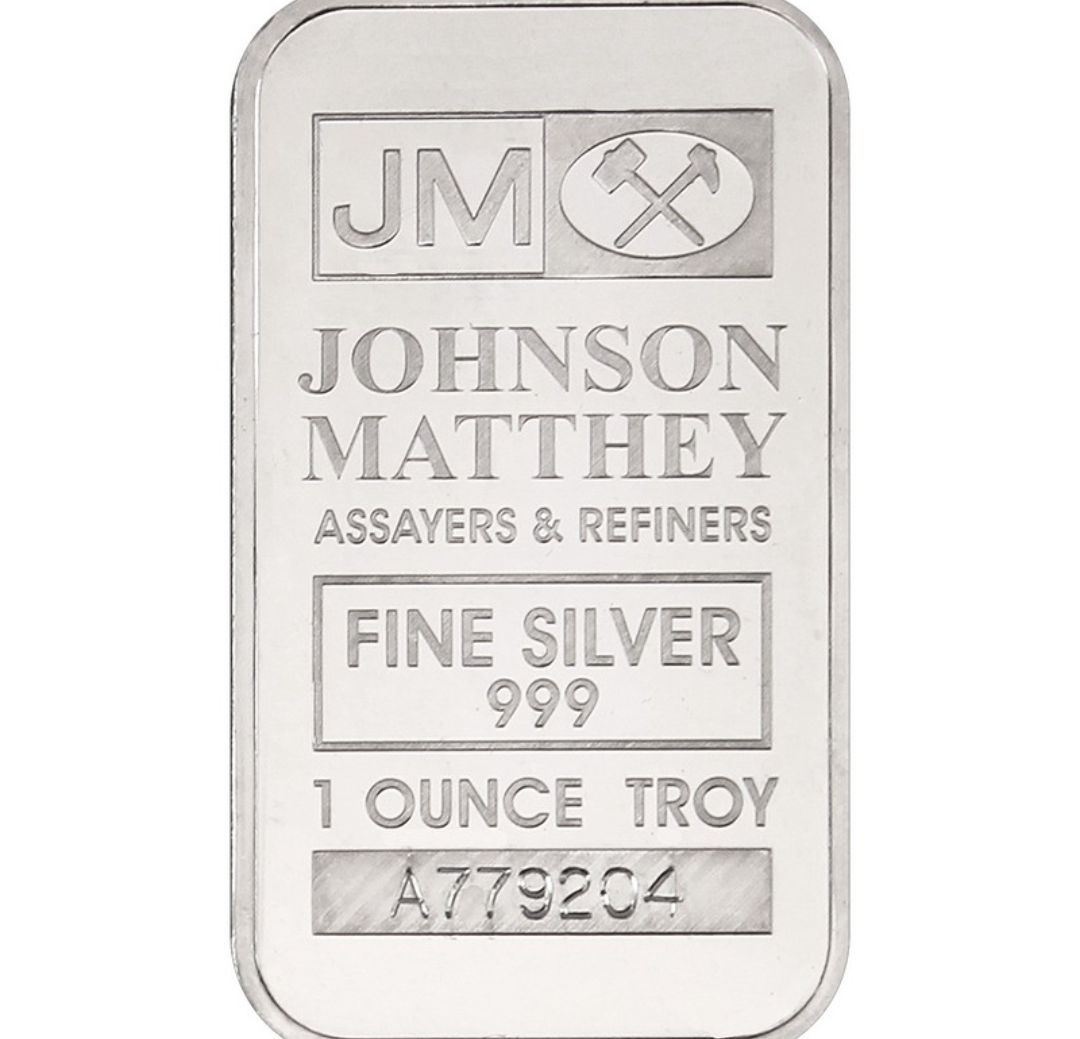
Ultimately, holding a Johnson Matthey bar bridges the gap between raw wealth preservation and historical appreciation. Adorned with the time-honoured crossed-hammers hallmark and a unique tracking serial number, it provides undeniable global liquidity that coin shops and bullion banks recognize instantly. In an era where institutional forecasts from giants like J.P. Morgan point to sustained industrial and monetary pressures on silver, these vintage bars offer a double-layered defense for your portfolio. They allow you to capitalize on the rising tide of tangible commodities while owning a prestigious brand name that can never be replicated again.