Caps and Closures: Essential Packaging Components for Product Protection
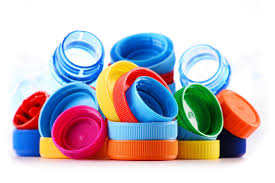
Caps and closures are vital components in the packaging industry, serving as the primary sealing mechanism for bottles, jars, containers, and other packaging formats. Whether used in food and beverages, pharmaceuticals, cosmetics, or household products, caps and closures ensure product safety, freshness, and convenience for consumers. As packaging technology continues to evolve, manufacturers are developing innovative closure solutions that improve functionality, sustainability, and brand appeal.
What Are Caps and Closures?
Caps and closures refer to devices used to seal containers and protect their contents from contamination, leakage, and environmental exposure. They come in various shapes, sizes, and materials to meet the requirements of different products and industries.
Common types include:
Screw caps
Flip-top closures
Snap-on caps
Child-resistant closures
Dispensing closures
Sports caps
Pump closures
Tamper-evident caps
Each type is designed to provide specific benefits depending on the product application and consumer needs.
Importance of Caps and Closures in Packaging
Product Protection
One of the primary functions of caps and closures is to protect products from external contaminants such as dust, moisture, oxygen, and bacteria. Proper sealing helps maintain product quality and extends shelf life.
Leak Prevention
Reliable closures prevent spills and leakage during transportation, storage, and consumer use. This is especially important for liquid products such as beverages, cleaning solutions, and pharmaceuticals.
Consumer Convenience
Modern caps and closures are designed with user-friendly features that make products easy to open, close, pour, or dispense. Convenience enhances customer satisfaction and encourages repeat purchases.
Tamper Evidence and Safety
Tamper-evident closures provide visible proof if a package has been opened before purchase. Child-resistant closures add an extra layer of protection for products that may pose risks to children.
Types of Caps and Closures
Screw Caps
Screw caps are among the most commonly used closure systems. They feature threaded designs that securely fasten onto containers and can be easily reopened and resealed.
Flip-Top Closures
Popular in personal care and cosmetic products, flip-top closures allow consumers to access contents quickly while maintaining a secure seal.
Dispensing Closures
Dispensing closures are designed for controlled product release. They are commonly used for sauces, shampoos, lotions, and cleaning products.
Child-Resistant Closures
These closures require a specific opening method that helps prevent accidental access by children. They are widely used in pharmaceutical and chemical packaging.
Pump Closures
Pump closures offer convenient and hygienic dispensing for liquid products, including soaps, sanitizers, and skincare formulations.
Materials Used in Caps and Closures
Manufacturers use a variety of materials depending on application requirements:
Plastic
Plastic closures are lightweight, cost-effective, and versatile. Common materials include:
Polypropylene (PP)
Polyethylene (PE)
PET
Metal
Metal caps provide durability and premium aesthetics. They are frequently used for beverages, food products, and specialty packaging.
Sustainable Materials
As environmental concerns grow, many companies are adopting recyclable and bio-based materials to reduce packaging waste and support sustainability goals.
Industries That Rely on Caps and Closures
Food and Beverage
Caps and closures help preserve freshness, prevent contamination, and maintain product integrity throughout the supply chain.
Pharmaceuticals
Secure closures are critical for protecting medications, ensuring dosage accuracy, and meeting regulatory requirements.
Cosmetics and Personal Care
Innovative closure systems enhance product functionality and improve the user experience for beauty and skincare products.
Household and Industrial Products
Cleaning chemicals, detergents, and industrial liquids require reliable closures that prevent leaks and ensure safe handling.
Emerging Trends in Caps and Closures
Sustainable Packaging Solutions
Manufacturers are increasingly developing recyclable and lightweight closures to minimize environmental impact.
Smart Packaging Technologies
Advanced closures now incorporate features such as QR codes, authentication systems, and tracking capabilities to enhance product security and consumer engagement Caps and Closures
.
Lightweight Designs
Reducing material usage without sacrificing performance helps companies lower costs and improve sustainability.
Improved Consumer Experience
Brands continue to innovate with ergonomic designs, easy-open mechanisms, and dispensing technologies that enhance convenience.
Choosing the Right Caps and Closures
Selecting suitable caps and closures depends on several factors:
Product type and viscosity
Packaging material
Safety requirements
Consumer convenience
Sustainability objectives
Regulatory compliance
Working with experienced packaging suppliers helps businesses identify the most effective closure solutions for their products.
Conclusion
Caps and closures play a critical role in modern packaging by protecting products, preventing leaks, enhancing safety, and improving consumer convenience. From simple screw caps to advanced dispensing and child-resistant systems, these essential components contribute significantly to product quality and brand success. As sustainability and innovation continue to shape the packaging industry, caps and closures will remain at the forefront of packaging performance and consumer satisfaction.