Humanoid robots aim to summit Everest/Los robots humanoides pretenden coronar el Everest
Source
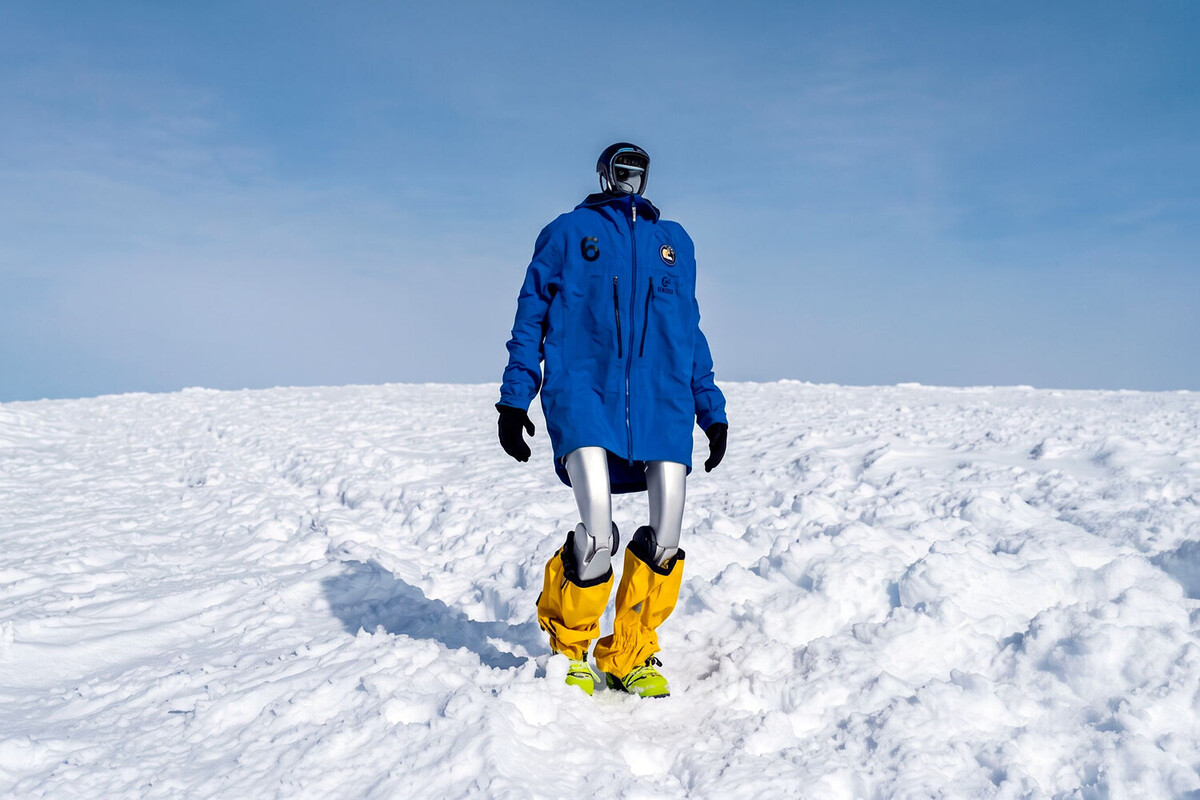
During the last decades we have seen all kinds of humanoid robots that jump, dance, fight, cook or play ping-pong (by the way, all better than us) but we still have things to see. The Unitree G1 humanoid robot, called "Pemba", plans to climb Mount Everest as part of an ambitious project by the Geologic Dome organization. The goal is not simply a publicity stunt, but a test mission to demonstrate that these robots can be useful tools in the most remote and hostile environments on the planet, with practical applications for conservation and scientific research.
Durante las últimas décadas hemos visto todo tipo de robots humanoides que saltan, bailan, pelean, cocinan o juegan al ping-pong (por cierto todo mejor que nosotros) pero aún nos quedan cosas por ver. El robot humanoide Unitree G1, llamado "Pemba", planea escalar el Monte Everest como parte de un ambicioso proyecto de la organización Geologic Dome. El objetivo no es simplemente un truco publicitario, sino una misión de prueba para demostrar que estos robots pueden ser herramientas útiles en los entornos más remotos y hostiles del planeta, con aplicaciones prácticas para la conservación y la investigación científica.
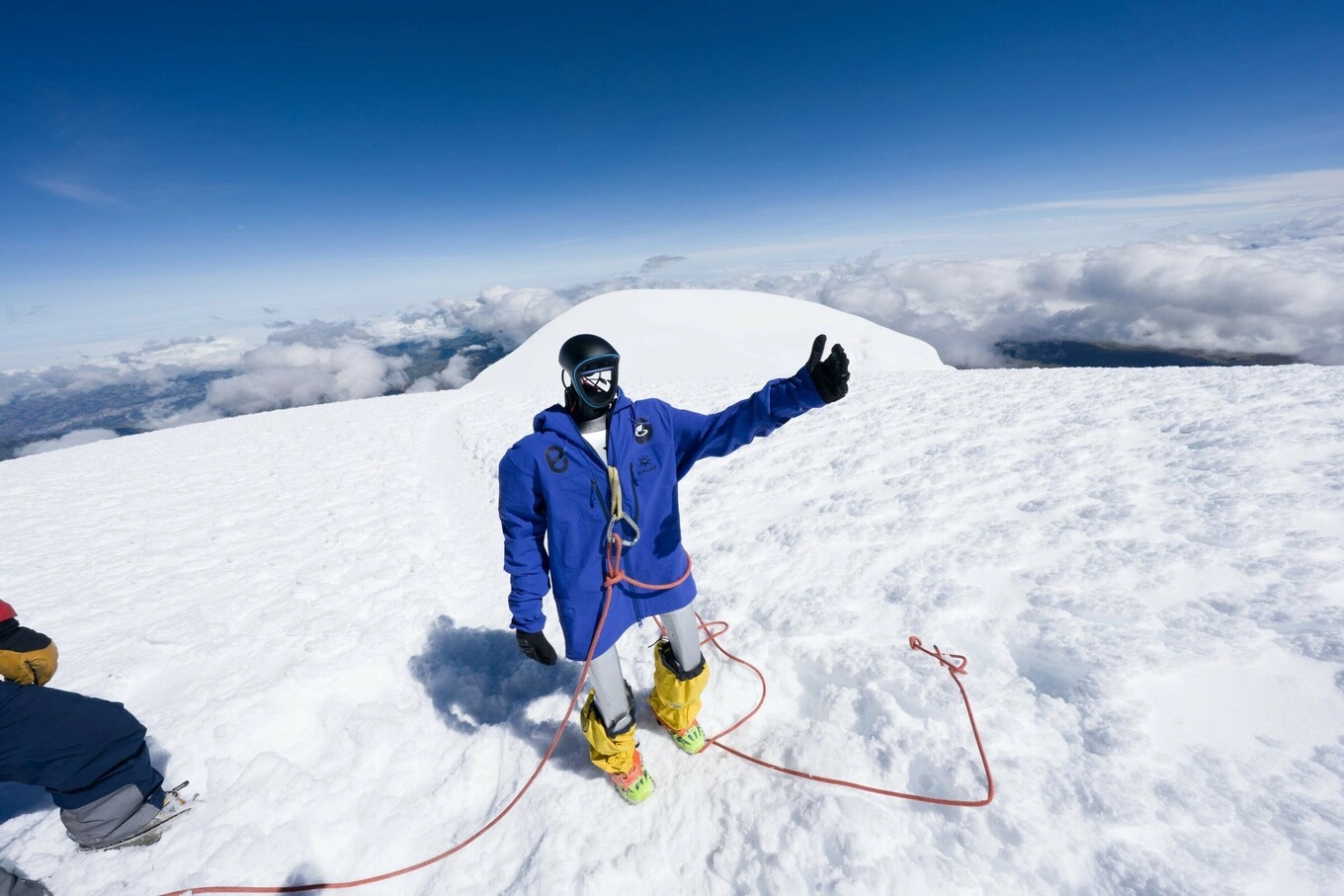
The robot, a modified Unitree G1, already made history on June 5 by summiting the Chimborazo volcano in Ecuador (6,263 meters), becoming the first humanoid robot to reach that altitude. The "Pemba" project seeks to be the first to reach the top of Everest, the highest mountain in the world. The initiative, led by engineer Pablo Berlanga, was born from the need to improve monitoring in conservation areas such as the Amazon rainforest or the Congo. The idea is to use robots as mobile platforms equipped with cameras and sensors, which can move and transmit live data in places where it is impossible to maintain a constant human presence or install thousands of fixed cameras.
El robot, un Unitree G1 modificado, ya hizo historia el pasado 5 de junio al coronar el volcán Chimborazo en Ecuador (6.263 metros), convirtiéndose en el primer robot humanoide en alcanzar esa altitud. El proyecto "Pemba" busca que sea el primero en llegar a la cima del Everest, la montaña más alta del mundo. La iniciativa, liderada por el ingeniero Pablo Berlanga, nace de la necesidad de mejorar la monitorización en zonas de conservación como la selva amazónica o el Congo. La idea es usar robots como plataformas móviles equipadas con cámaras y sensores, que puedan moverse y transmitir datos en vivo en lugares donde es imposible mantener una presencia humana constante o instalar miles de cámaras fijas.
Source
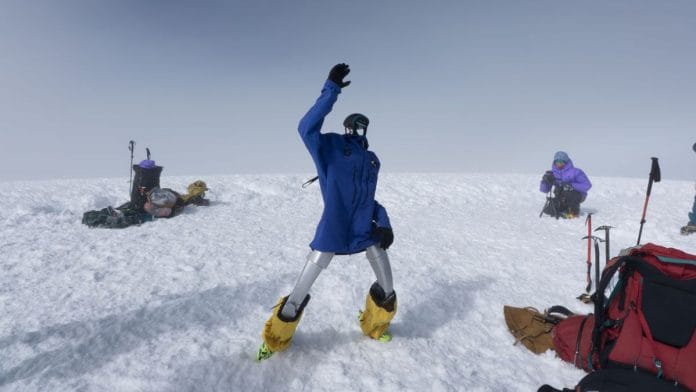
The ascent will not be completely autonomous. This is a gradual process to test and improve technology under extreme conditions. Before Everest, the robot already passed the test in Chimborazo and is scheduled to climb Mauna Kea in Hawaii to complete a "triple crown" of mountains. On Chimborazo, the robot walked autonomously on slopes of less than 30% inclination, but was transported by the team on the steepest and most technical sections. For Everest, it is planned to take the robot in parts to different base camps and reassemble it.
El ascenso no será completamente autónomo. Se trata de un proceso gradual para probar y mejorar la tecnología en condiciones extremas. Antes del Everest, el robot ya superó la prueba en el Chimborazo y está previsto que suba al Mauna Kea en Hawái para completar un "triple corona" de montañas. En el Chimborazo, el robot caminó de forma autónoma en pendientes de menos del 30% de inclinación, pero fue transportado por el equipo en los tramos más empinados y técnicos. Para el Everest, se planea llevar el robot en partes hasta distintos campamentos base y volverlo a montar.
The idea is that, with more training and programming, the robot will need to be transported on fewer occasions. The biggest technical challenge is extreme cold, which can render batteries useless. To avoid this, the robot is equipped with a special jacket with a ventilation system that keeps the batteries at a suitable temperature and prevents them from overheating. The main objective is to lay the foundations for humanoid robots to patrol protected areas, monitor fauna, detect illegal logging and collect environmental data in real time, replacing fixed and inefficient systems.
La idea es que, con más entrenamiento y programación, el robot necesite ser transportado en menos ocasiones. El mayor desafío técnico es el frío extremo, que puede inutilizar las baterías. Para evitarlo, el robot va equipado con una chaqueta especial con un sistema de ventilación que mantiene las baterías a una temperatura adecuada y evita que se sobrecalienten. El objetivo principal es sentar las bases para que robots humanoides puedan patrullar áreas protegidas, monitorizar la fauna, detectar la tala ilegal y recoger datos ambientales en tiempo real, reemplazando a sistemas fijos e ineficientes.
Source
On Everest, the robot could be used to perform dangerous tasks such as collecting garbage, monitoring glaciers or supporting search and rescue missions, thus reducing the risk to humans. The project has encountered an unexpected obstacle since Nepal does not have laws regulating the presence of non-human climbers on Everest. The Nepalese government is evaluating the proposal and preparing a legal framework for this type of expedition, which has delayed the date of the attempt.
En el Everest, el robot podría servir para realizar tareas peligrosas como la recogida de basura, el monitoreo de glaciares o el apoyo en misiones de búsqueda y rescate, reduciendo de este modo el riesgo para los seres humanos. El proyecto se ha topado con un obstáculo inesperado ya que Nepal no dispone de leyes que regulen la presencia de escaladores no humanos en el Everest. El gobierno nepalí está evaluando la propuesta y preparando un marco legal para este tipo de expediciones, lo que ha retrasado la fecha del intento.
The expedition, whose cost is estimated between 200,000 and 500,000 dollars, is financed with a "tokenization" project and the support of technology companies and audiovisual producers, in order to give visibility to the cause. At the end of the mission, the robot would be donated to the local Sherpa community. In short, the Pemba robot's attempt to climb Everest is an ambitious, public experiment to test whether humanoid robots can be the "guardians" of the future in the most difficult to reach and protect places on Earth.
La expedición, cuyo coste se estima entre 200.000 y 500.000 dólares, se financia con un proyecto de "tokenización" y el apoyo de empresas tecnológicas y productoras audiovisuales, con el fin de dar visibilidad a la causa. Al finalizar la misión, el robot sería donado a la comunidad sherpa local. En resumen, el intento del robot Pemba de escalar el Everest es un experimento público y ambicioso para probar si los robots humanoides pueden ser los "guardianes" del futuro en los lugares más difíciles de alcanzar y proteger de la Tierra.
More information/Más información
https://interestingengineering.com/ai-robotics/humanoid-robot-summits-20341-foot-volcano
Robotics take another compelling step forward. The Everest mission is more than just an expedition to break records; it will also test the use of humanoid robots for conservation, environmental monitoring and search and rescue in areas that are either too hazardous or hard for people to access. The battery issues and very harsh weather will make this a great experiment. If it turns out successful, robots like Pemba could offer assistance to help to maintain the integrity of isolated ecosystems.
0.00 SBD,
0.70 STEEM,
0.70 SP