Pickleball Control Tips: Why Beginners Should Master Touch Before Power
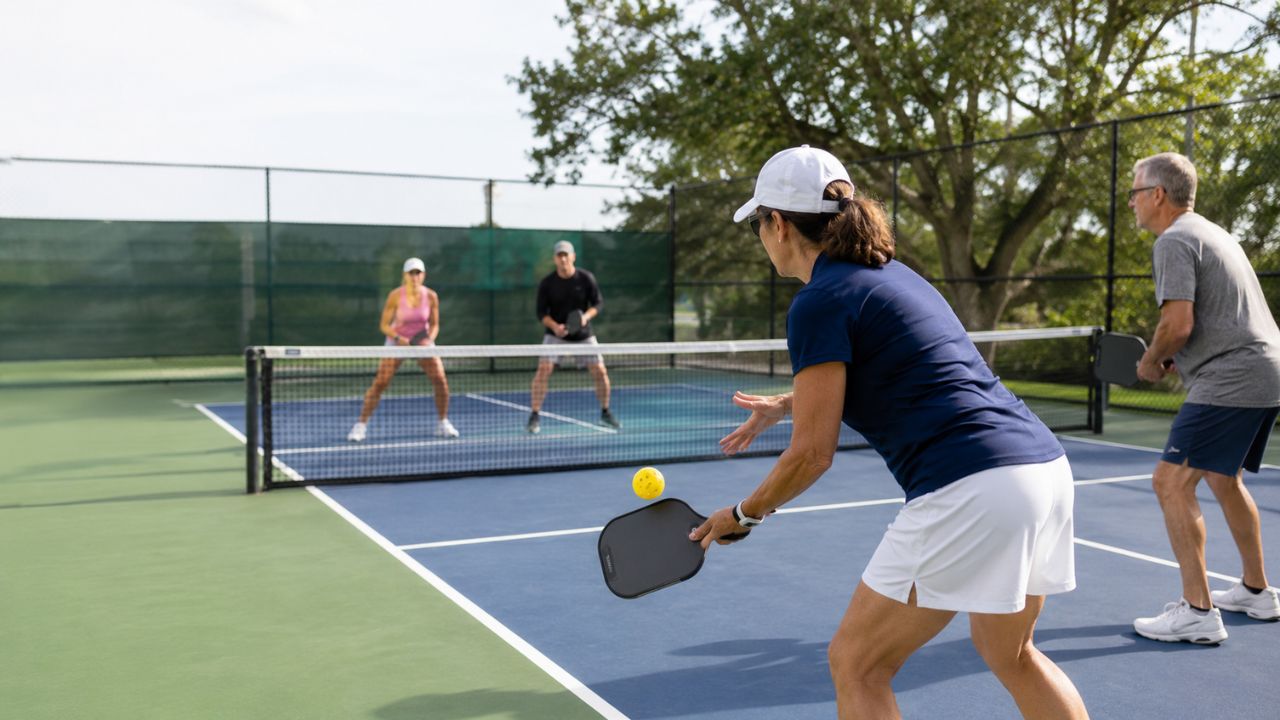
Pickleball Control Tips: Why Beginners Should Master Touch Before Power
Meta Title: Pickleball Control Tips for Beginners Who Want to Improve
Meta Description: Learn why pickleball beginners should build control, patience, soft touch, and smarter shot selection before relying on power.
Quick Summary
Beginner pickleball players improve faster when they focus on control before power. Strong control helps players:
- Keep more balls in play.
- Reduce unforced errors.
- Move toward the kitchen line with better balance.
- Use soft shots to force weak returns.
- Attack only when the ball is high enough.
- Build confidence during longer rallies.
This matters because pickleball rewards smart shot selection more than raw strength. A hard shot hit at the wrong time is often easier to defend than a soft shot placed in the right spot.
Pickleball looks simple when you first start playing. The court is smaller than a tennis court, the paddle feels easy to handle, and the ball moves slowly enough for most new players to get into rallies quickly. But once the points get longer, beginners usually discover the real challenge: keeping the ball controlled when pressure builds.
Many new players try to improve by hitting harder. That feels natural, especially if they come from tennis, racquetball, badminton, or another paddle sport. But in pickleball, power without control usually creates more mistakes than winners. One of the best examples is the soft game near the kitchen. Learning how to use touch, patience, and placement through shots like the pickleball dink shot can help beginners win more points without swinging harder.
The fastest way to improve is not to attack every ball. It is to understand when to slow the rally down, when to reset, when to move forward, and when to wait for a better opportunity. Power matters, but control is what gives power a purpose.
What Does Control Mean in Pickleball?
Control in pickleball means placing the ball with intention. It is not only about hitting softly. It includes depth, height, direction, pace, court position, and timing.
A controlled player knows how to land a serve deep, return the ball with enough height to buy time, reset a fast exchange, and keep dinks low near the kitchen. They are not just trying to get the ball over the net. They are trying to make the next shot harder for the opponent.
For beginners still learning the game's full structure, this guide to pickleball 101 is a useful reference. Understanding the rules and basic court habits makes it much easier to apply control during real points.
Why Power Causes Problems for Beginners
Power is tempting because it feels aggressive. When a hard shot wins a point, it feels like the right strategy. The problem is that many hard shots only work against players who are not ready.
As opponents improve, they start blocking drives, resetting fast balls, and waiting for mistakes. A beginner who keeps swinging harder often starts missing long, hitting into the net, or popping the ball up for an easy attack.
The issue is not power itself. The issue is using power from the wrong position. A ball below net height should usually be controlled rather than attacked. A ball hit while off balance should usually be reset, not forced. A ball near the kitchen should often be placed low, not driven hard.
A simple rule helps:
- If the ball is below the net, control it.
- If the ball is above the net and you are balanced, attack it.
- If you are off balance, reset the point.
This one shift can clean up many beginner mistakes.
The Kitchen Is Where Better Players Separate Themselves
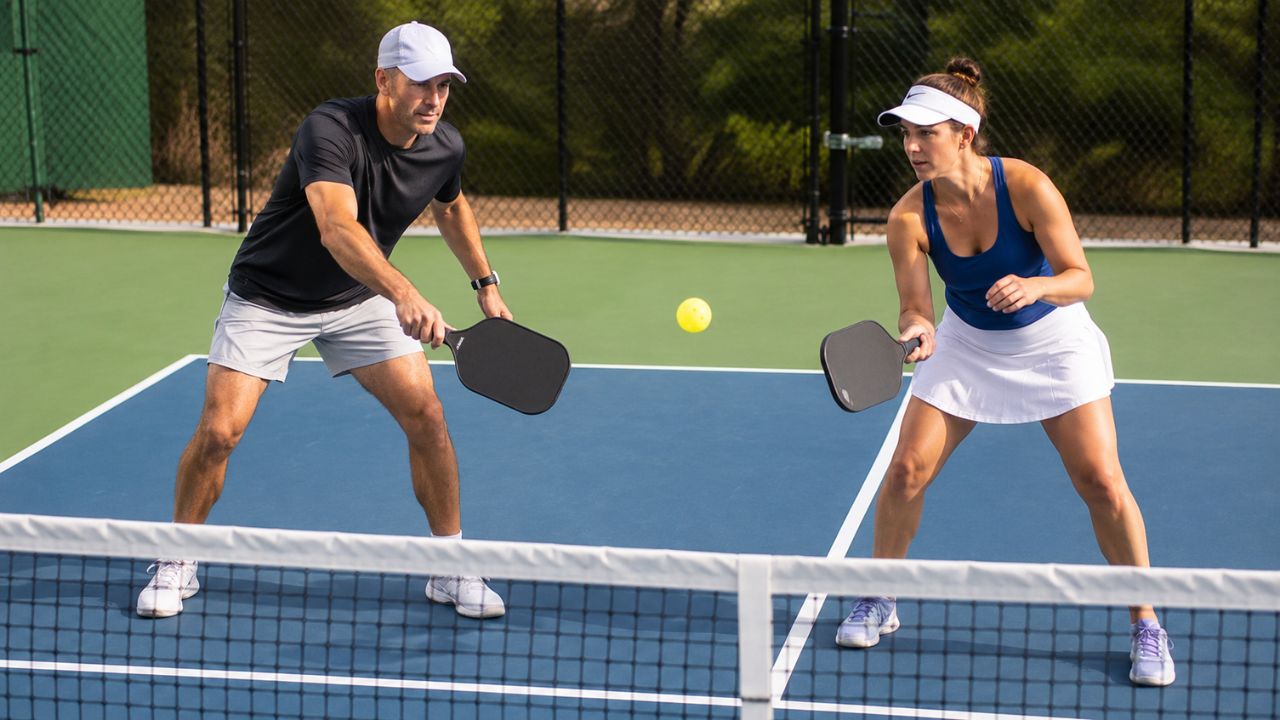
The kitchen, also called the non-volley zone, changes the entire strategy of pickleball. Because players cannot volley while standing inside the kitchen, the game rewards patience and touch near the net.
Beginners often rush this part of the game. They move forward too quickly, stand too tall, grip the paddle too tightly, or try to attack balls that should be played softly. That leads to pop ups, net errors, and rushed decisions.
Better players treat the kitchen line as a control zone. They stay balanced, keep the paddle in front, bend their knees, and wait for the opponent to give them a ball they can attack.
At the kitchen line, the best shot is not always the hardest shot. Often, it is the shot that stays low enough to stop the opponent from attacking.
Placement Should Come Before Pace
If you want to improve quickly, stop asking, "How hard can I hit this?" Start asking, "Where should this ball go?"
Placement gives beginners a safer way to create pressure. A deep serve can push the opponent back. A deep return gives you time to move forward. A soft dink to the opponent's feet can force them to lift the ball. A controlled shot down the middle can create confusion between doubles partners.
Pace becomes more dangerous when placement is already strong. Without placement, pace is just risk.
Beginners should practice these simple targets:
- Deep serves near the baseline.
- Deep returns to the middle third of the court.
- Dinks that land inside the kitchen.
- Resets that drop low instead of floating high.
- Safe middle shots when under pressure.
These targets are not flashy, but they build a game that holds up against better players.
Your Ball Can Affect Your Control
Players often talk about paddles, shoes, and court position, but the ball also affects control. A ball with inconsistent bounce or unstable flight can make it harder to develop timing, touch, and reliable shot habits.
This matters most during repetitive practice. If you are working on dinks, resets, serves, and returns, you want the ball to respond predictably. Consistency helps players understand whether a mistake came from their technique or from the equipment.
Players looking for reliable match and practice balls can explore these USAPA approved pickleballs designed for consistent bounce, stable flight, and regular court play.
Good equipment will not replace skill, but it should support skill development. The less you have to adjust to unpredictable bounce, the more you can focus on footwork, paddle angle, and shot selection.
Beginner Drills That Build Real Control
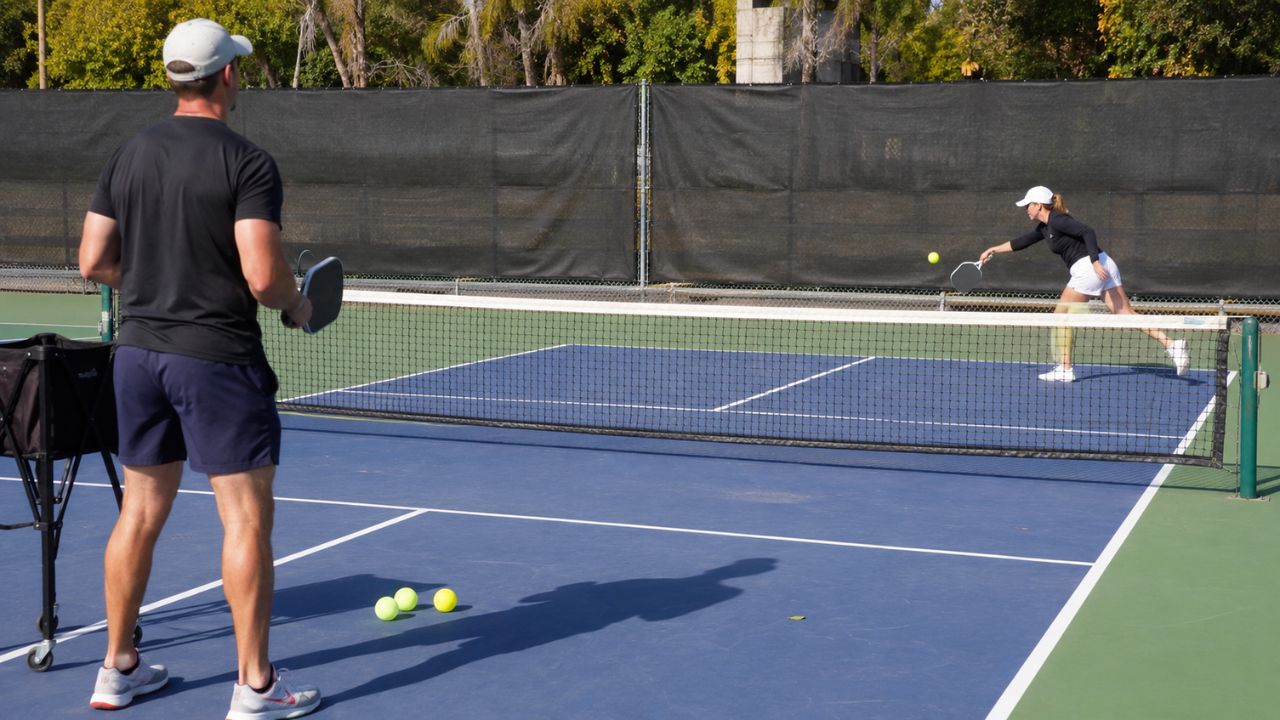
Control improves through repetition. But not all repetition is useful. Beginners need drills that train decision-making, not just contact.
Deep Serve Drill
Serve ten balls in a row and aim for the back third of the service box. Do not focus on speed. Focus on depth and consistency.
A deep serve gives you more time to prepare for the next shot and makes it harder for your opponent to attack early.
Deep Return Drill
Have a partner serve you. Return the ball deep, then move toward the kitchen line after contact.
This drill trains one of the most important beginner habits: return first, move forward second.
Soft Dink Drill
Stand at the kitchen line with a partner and dink back and forth. Your goal is not to win the rally. Your goal is to keep the ball low and inside the kitchen.
Try to count how many controlled dinks you can hit without a mistake.
Reset Drill
Stand in the transition area while your partner sends firmer balls toward you. Your job is to soften the ball and drop it into the kitchen.
This teaches you how to survive pressure without panicking.
Middle Target Drill
During doubles practice, aim more balls toward the middle of the court. This is a smart target because it reduces your risk and can create hesitation between opponents.
Common Control Mistakes Beginners Should Fix
Most beginner mistakes come from rushing. The player sees the ball, reacts quickly, and swings before thinking about court position or shot choice.
Here are the most common control problems:
- Hitting hard from below the net height.
- Standing too far back after the return.
- Gripping the paddle too tightly.
- Using too much wrist on soft shots.
- Trying to end rallies too early.
- Failing to reset when under pressure.
- Floating dinks too high.
- Attacking while off balance.
The fix is usually not complicated. Slow down your decision-making. Get balanced first. Keep your paddle in front. Choose a bigger target. Make the opponent hit one more ball.
How Control Helps You Win More Points
Control wins because it reduces free mistakes. At the beginner level, many points are not won by brilliant shots. They are lost through rushed attacks, missed returns, net errors, and poor positioning.
A controlled player makes the opponent work harder. They keep the ball low. They avoid unnecessary risk. They wait for the opponent to lift the ball. Then, when the right opportunity appears, they attack with better timing.
That is the difference between random aggression and smart pressure. Power tries to end the point immediately. Control builds the point until the attack makes sense.
Build a Game That Works Under Pressure
The best beginner strategy is simple: become harder to beat before trying to become harder to stop.
That means keeping serves and returns reliable, learning the soft game, getting comfortable at the kitchen line, and choosing smarter targets. Once those habits are strong, power becomes far more effective because it is used at the right time.
Pickleball rewards players who can stay calm, place the ball well, and make better decisions during long rallies. Build control first. The stronger shots will come later, and when they do, they will win more points because they are built on a smarter foundation.