Bael Fruit: The Ancient Treasure of Nature
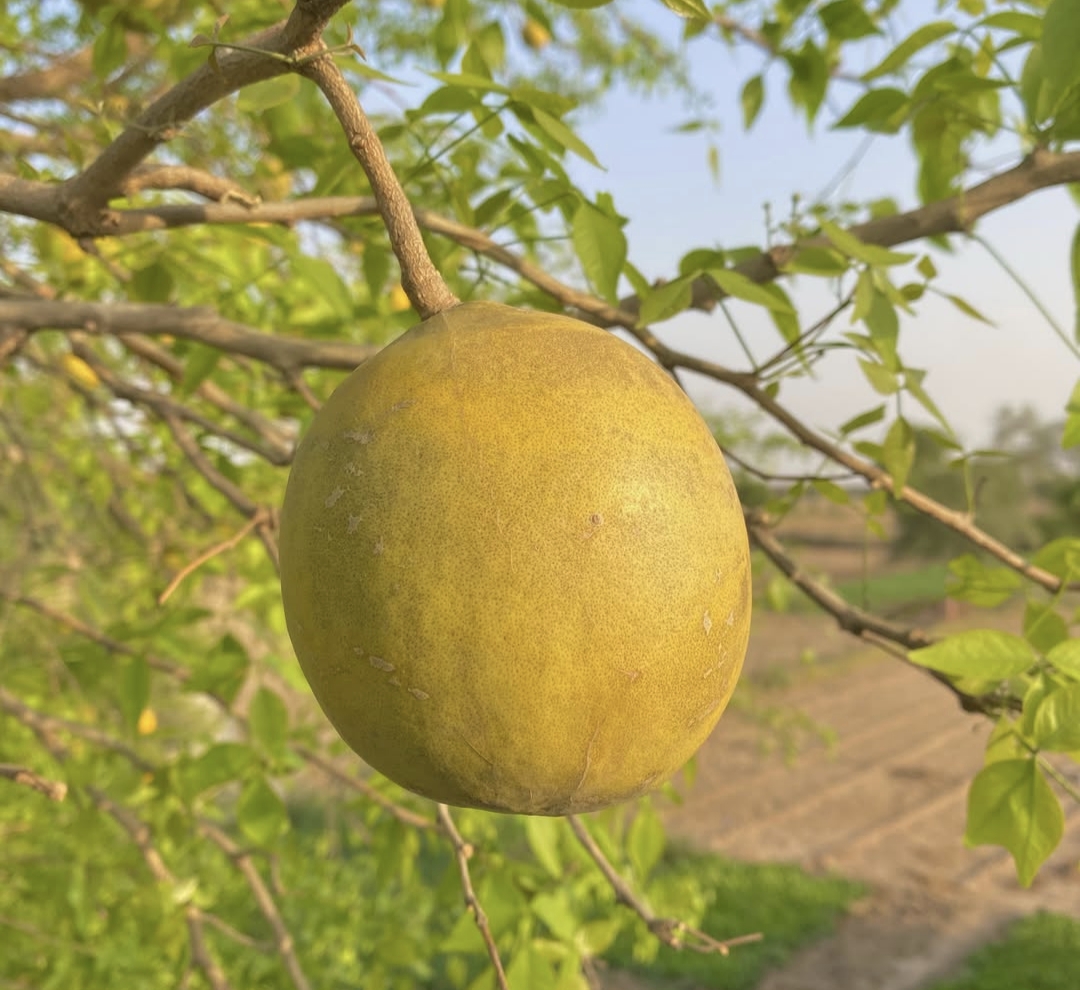
The Bael fruit is one of nature’s most fascinating gifts, cherished for centuries across South Asia for its unique flavor, nutritional value, and cultural significance. Encased in a hard, woody shell, the fruit hides a fragrant, golden-orange pulp that is both sweet and refreshing. Though it may appear humble from the outside, the Bael fruit has earned a special place in the hearts of people who value natural foods and traditional wisdom.
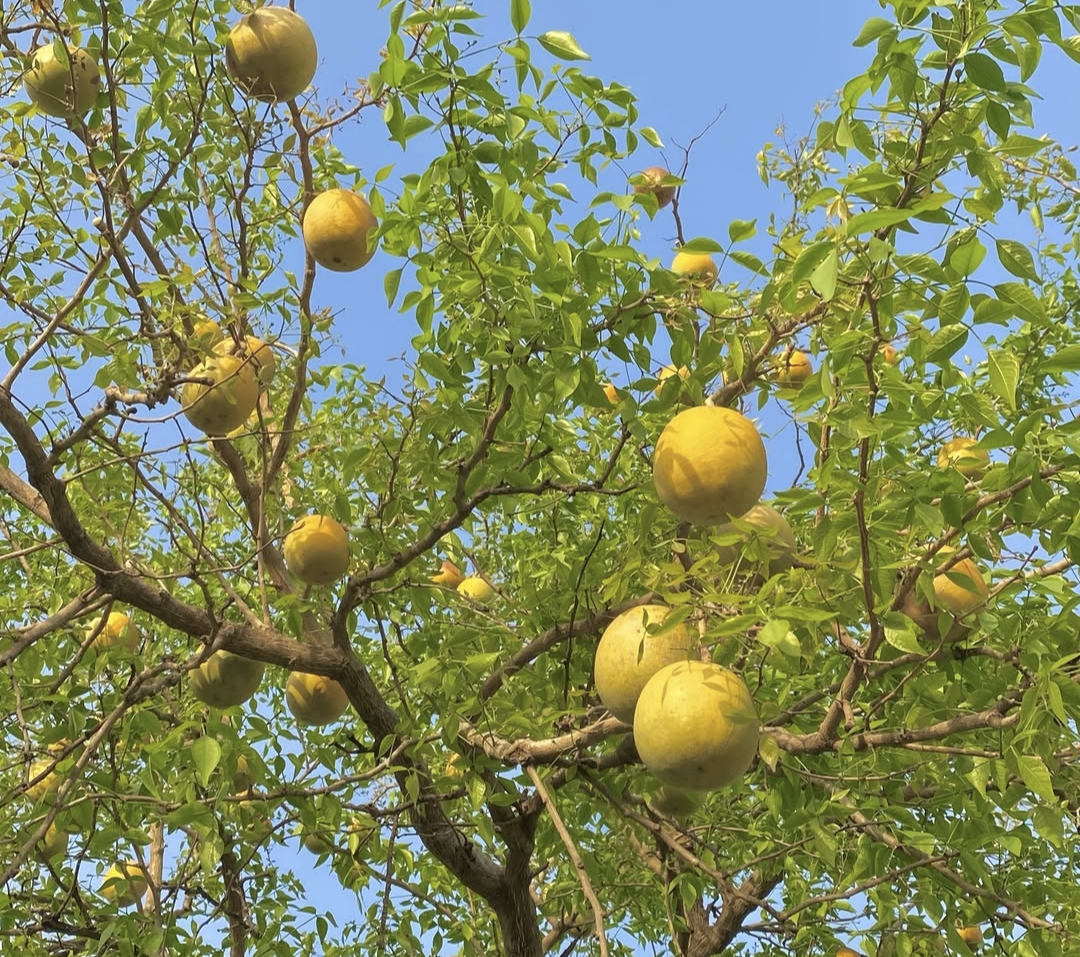
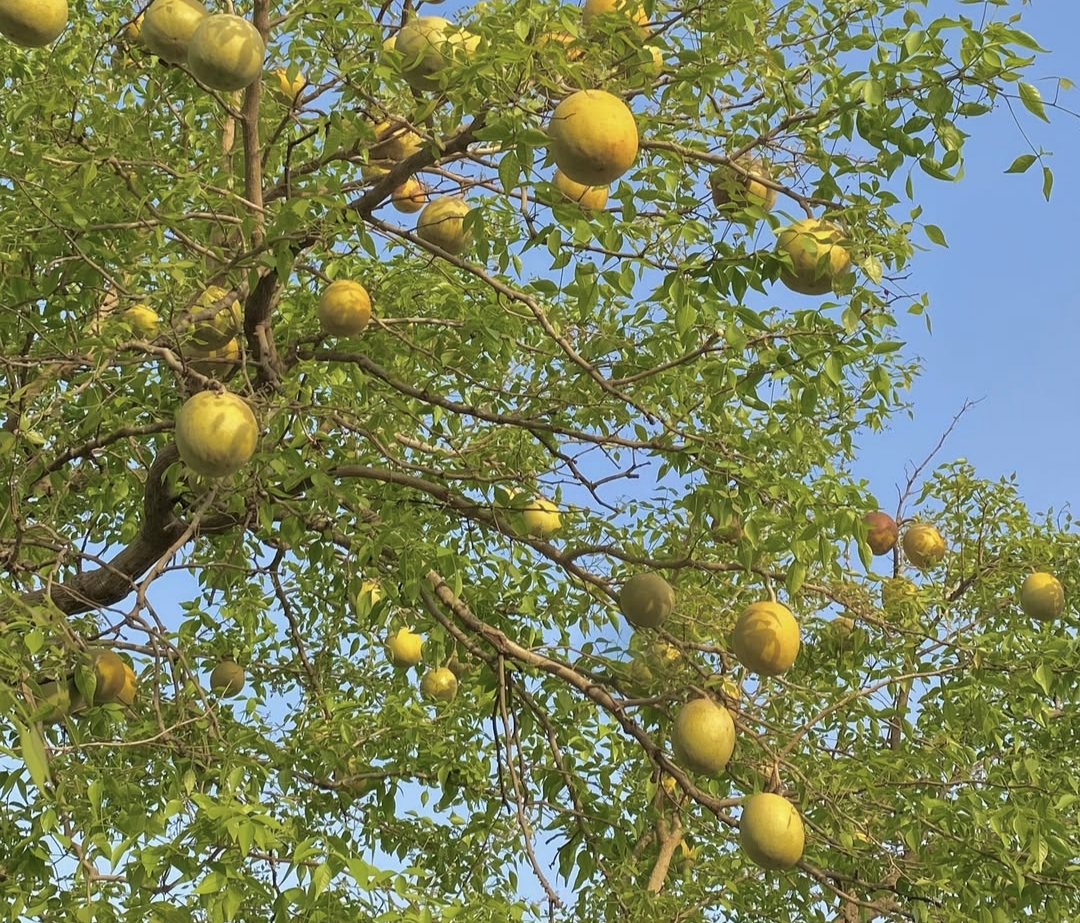
One of the most remarkable qualities of the Bael fruit is its connection to history and heritage. For generations, it has been cultivated in villages, temple gardens, and family orchards. The tree itself is admired for its resilience, thriving even in hot and dry conditions where many other fruit trees struggle. Its ability to flourish in challenging environments reflects the strength and endurance often found in nature.
The flavor of Bael fruit is distinctive and memorable. Its aromatic pulp is commonly enjoyed fresh or transformed into refreshing drinks, desserts, and traditional recipes. During warm summer days, a glass of chilled Bael juice is often considered both nourishing and satisfying. The fruit’s rich texture and naturally sweet taste make it a favorite seasonal treat for many families.
Beyond its culinary appeal, Bael fruit is widely appreciated for its nutritional benefits. It contains essential vitamins, minerals, and dietary fiber that support overall well-being. For centuries, it has also been valued in traditional practices that emphasize the importance of natural ingredients in maintaining a balanced lifestyle. This long-standing appreciation highlights the fruit’s role as more than just a source of nourishment.