Milkvetch: The Quiet Strength Rooted in the Earth
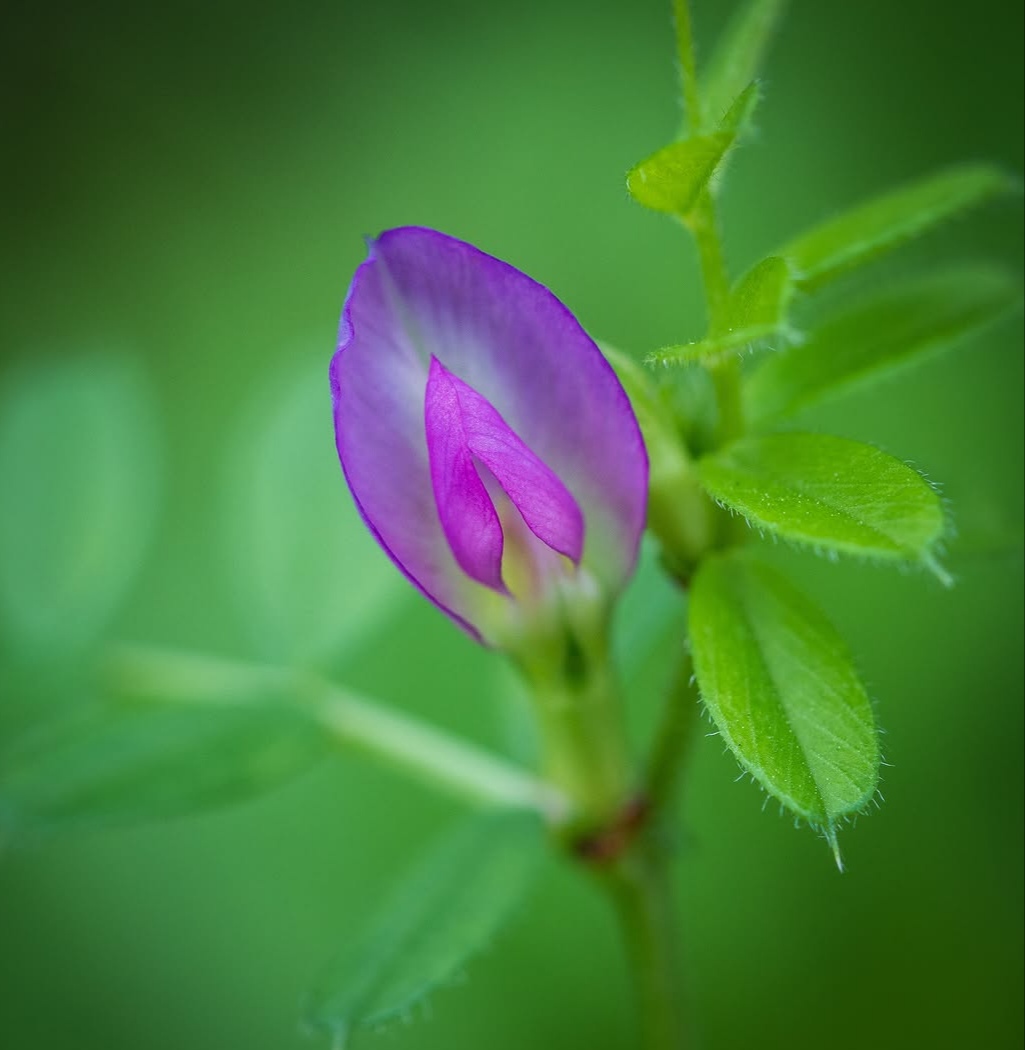
Across windswept plains, rocky hillsides, and open meadows grows a plant that rarely demands attention yet quietly sustains the ecosystems around it—Milkvetch. Known scientifically as Astragalus, this vast group of plants includes hundreds of species, each adapted to survive in environments where many others cannot. Though often overlooked, milkvetch carries a quiet resilience that tells a deeper story about endurance and balance in nature.
At first glance, milkvetch may seem unassuming. Its delicate clusters of pea-like flowers—ranging in color from soft purples to creamy whites—bloom gently among feathery leaves. But beneath this modest appearance lies a remarkable ability to thrive in poor soils. Milkvetch forms a symbiotic relationship with soil bacteria, enriching the ground by fixing nitrogen, and in doing so, it nourishes not only itself but the plants that grow nearby. It is a quiet contributor, improving the land without ever seeking recognition.
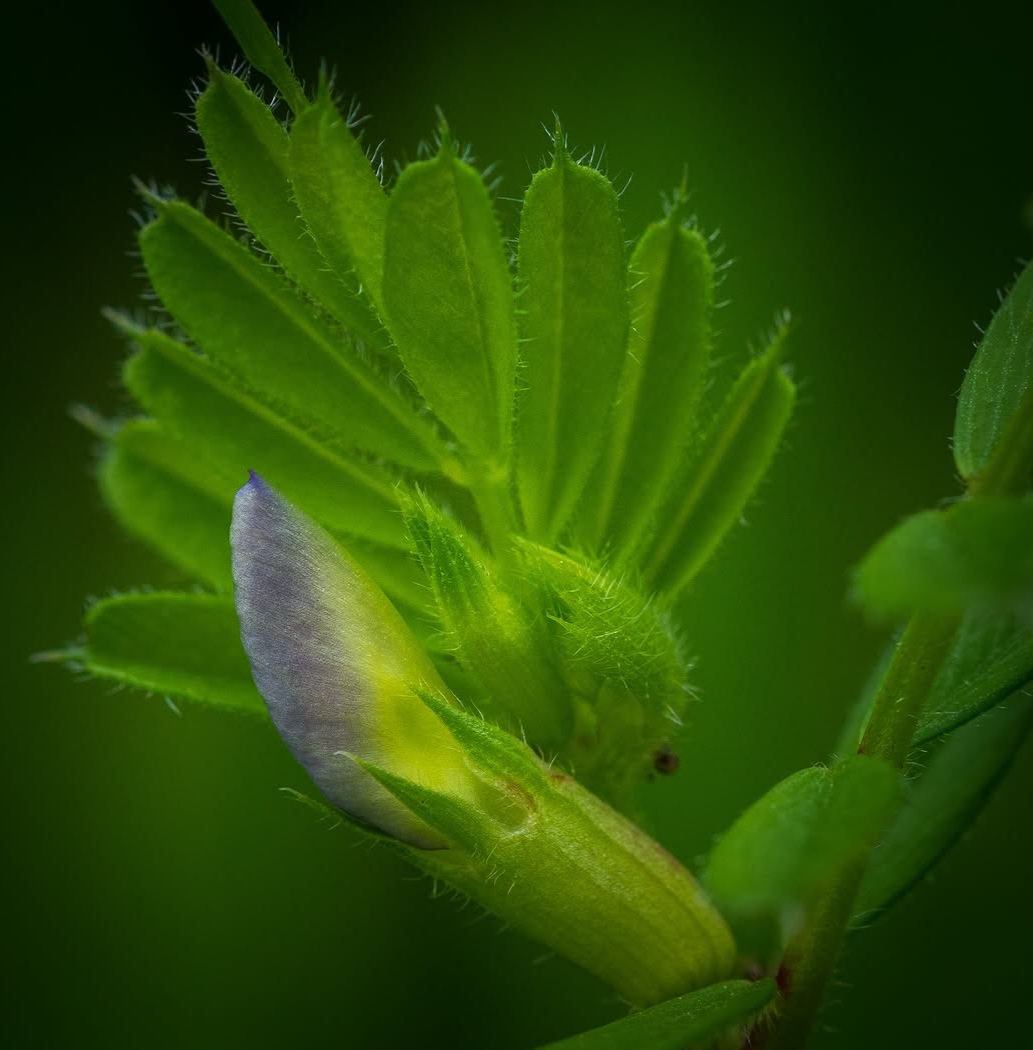
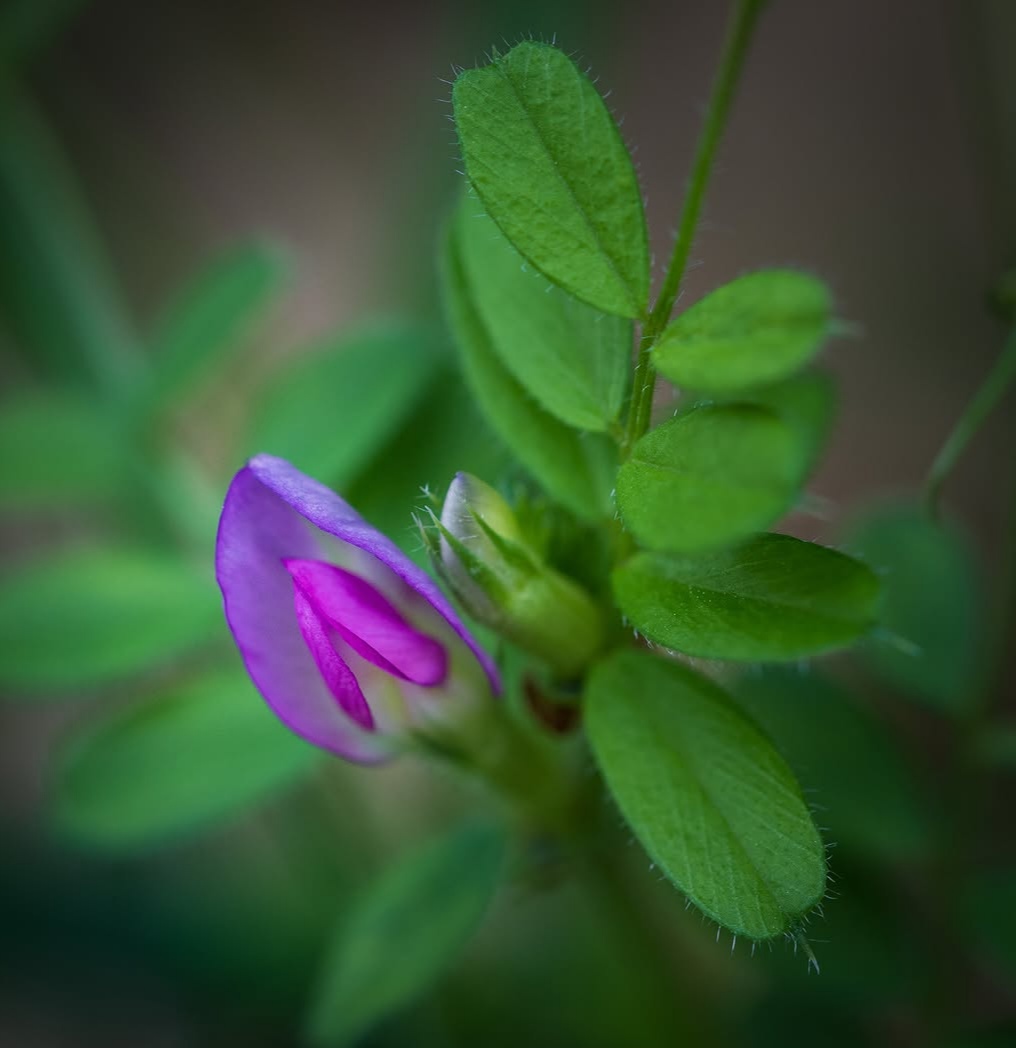
Milkvetch has long held a place in human life as well, especially in traditional practices. Certain species, such as Astragalus membranaceus, have been used in herbal medicine for centuries, particularly in regions like China. Valued for its potential to support the immune system and overall vitality, it reflects the ancient understanding that healing often comes from the most unassuming sources. Its roots, harvested with care, carry generations of knowledge passed quietly through time.
In the wild, milkvetch also plays a crucial ecological role. It provides food for pollinators like bees and butterflies, supporting biodiversity in fragile habitats. Some species even serve as host plants for specific insects, forming intricate relationships that highlight the interconnectedness of life. In landscapes where survival is a daily challenge, milkvetch becomes a foundation—subtle, steady, and essential.
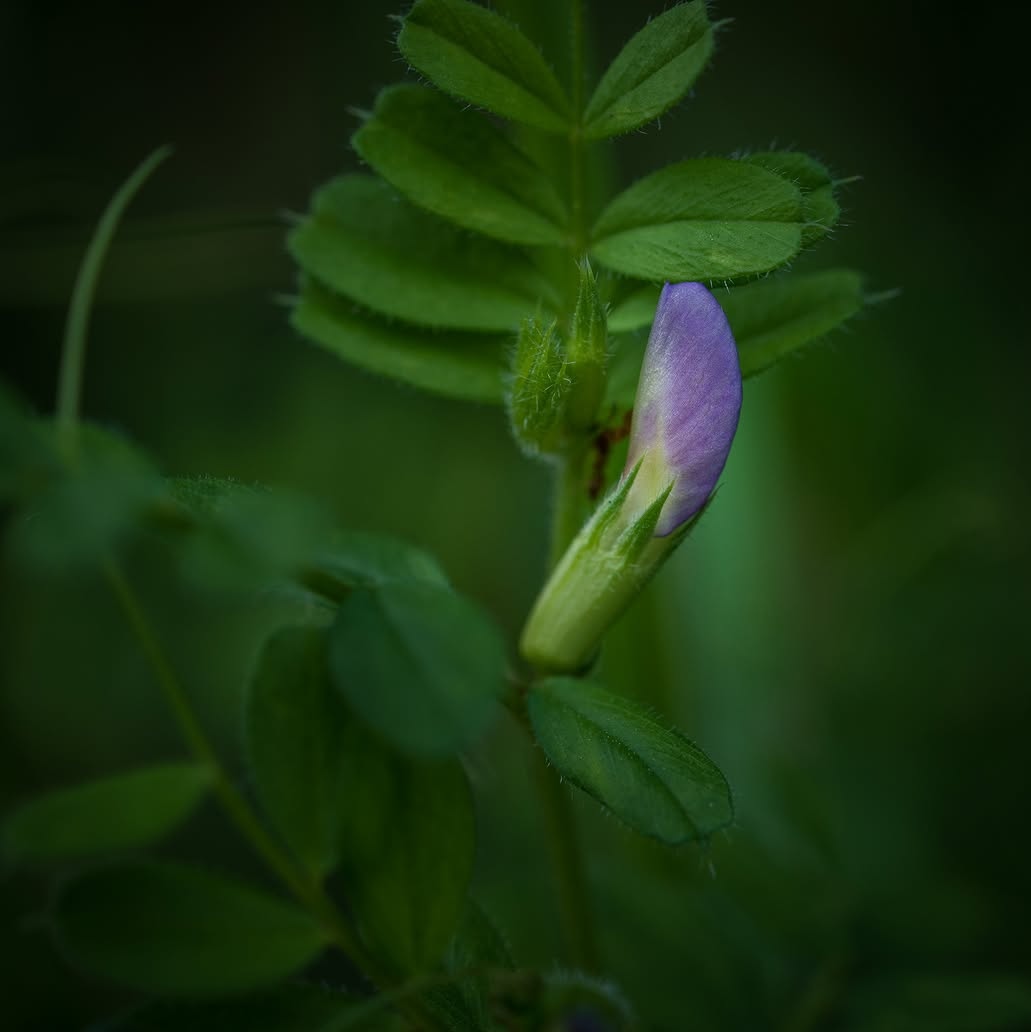
Yet, like many humble plants, milkvetch faces its own set of challenges. Habitat loss, climate shifts, and land development threaten the delicate environments where it thrives. Because it does not stand out in obvious ways, its decline often goes unnoticed. But its absence can ripple through ecosystems, reminding us that even the smallest contributors hold immense importance in maintaining balance.
In the end, milkvetch is a symbol of quiet strength and unseen impact. It teaches us that not all influence is visible, and not all value is celebrated. Sometimes, the most meaningful contributions happen silently, beneath the surface, shaping the world in ways we rarely stop to appreciate.
%20(10).jpeg)