Snow Calville: The Quiet Elegance of a Forgotten Apple
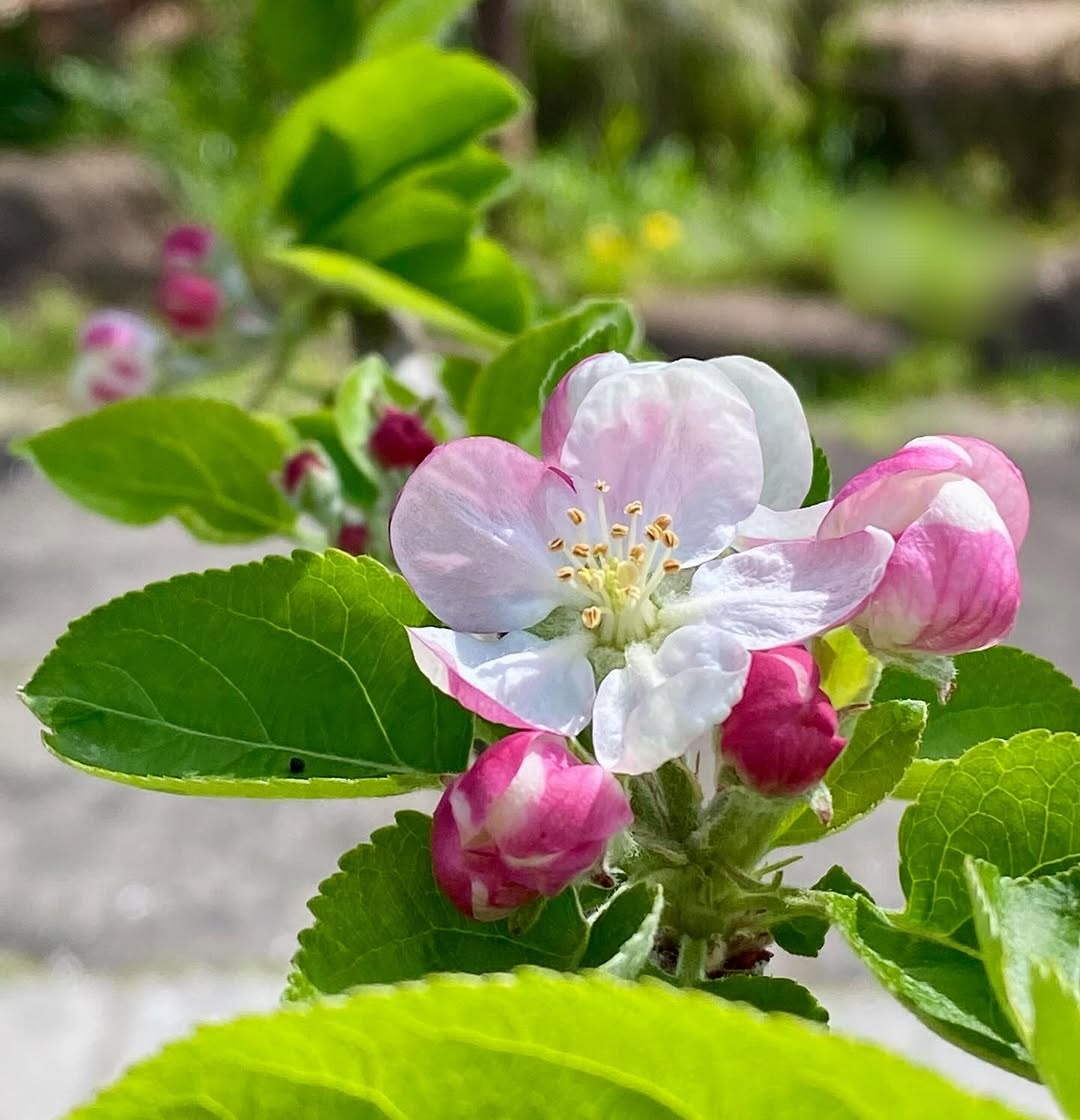
In a world where glossy, uniform fruits dominate supermarket shelves, the Snow Calville apple stands as a gentle reminder of nature’s quieter artistry. This heirloom variety, believed to have originated centuries ago, carries with it a story of tradition, patience, and subtle beauty. Its pale, almost snowy skin gives it an understated charm, as if it were crafted not to impress at first glance, but to be discovered slowly, like a secret passed down through generations.
The texture of Snow Calville is where its personality truly unfolds. Crisp yet tender, it offers a delicate bite that feels both refreshing and comforting. Unlike modern apples bred for durability and long storage, this variety prioritizes experience over endurance. Its flesh is often juicy with a soft grain, making it a delight for those who appreciate fruit not just as food, but as a sensory moment—something to be savored rather than rushed.
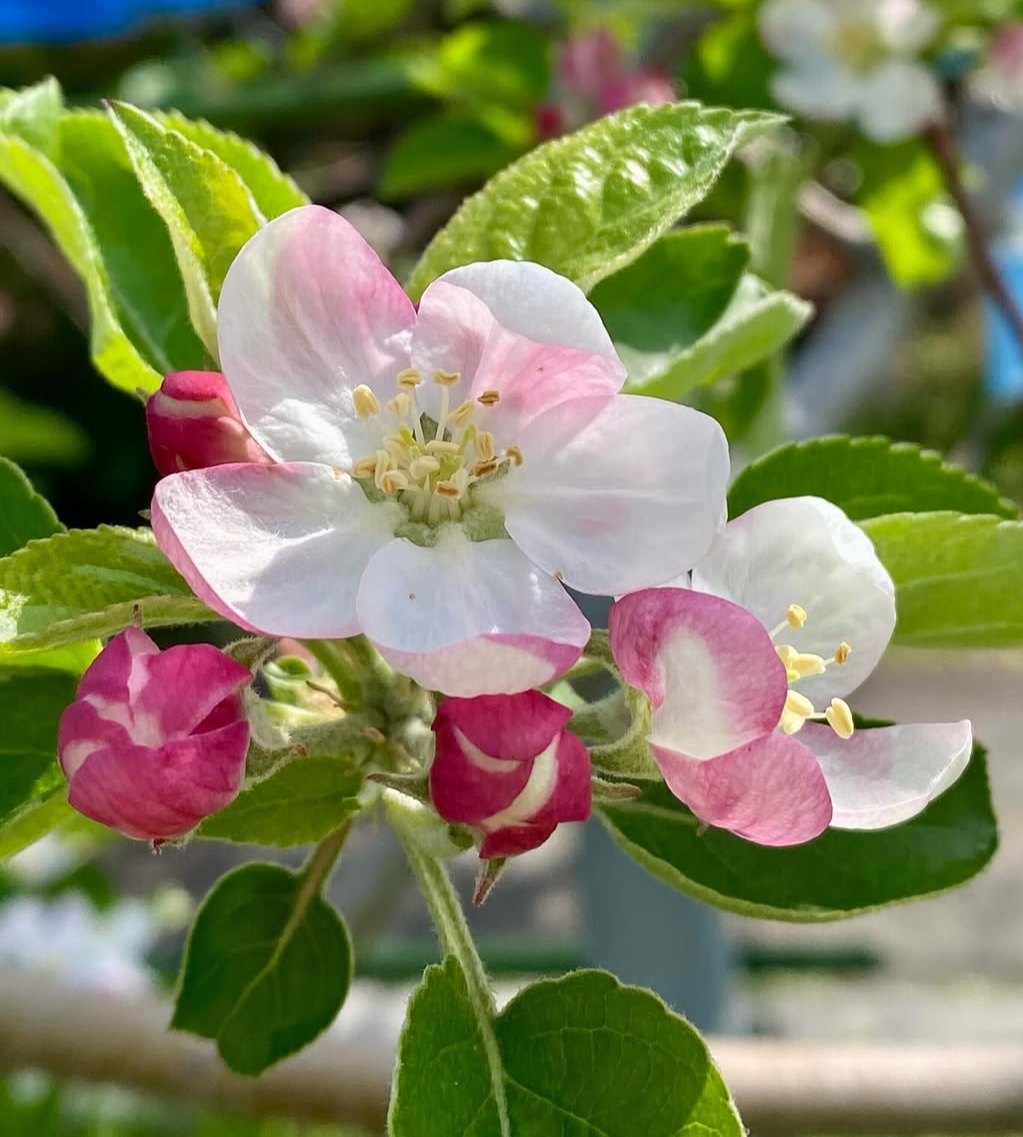
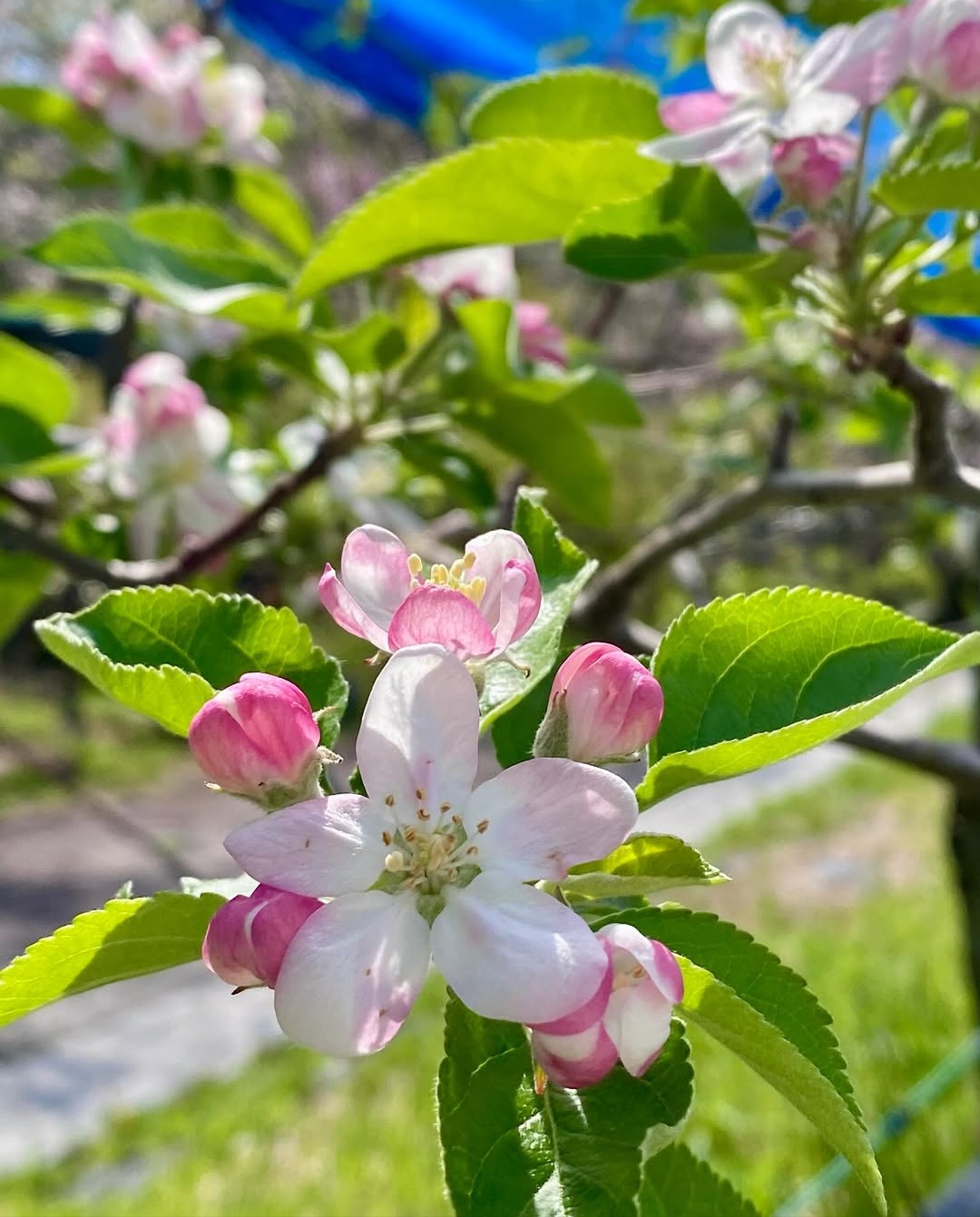
Flavor is where Snow Calville earns its quiet admiration. It carries a gentle sweetness balanced by a mild acidity, creating a harmonious taste that lingers without overwhelming. There is a hint of old-world richness in every bite, a reminder of orchards untouched by industrial farming. It doesn’t shout for attention; instead, it invites you to pause, reflect, and enjoy the simplicity of something grown with care.
Historically, apples like Snow Calville were part of a deeper relationship between humans and the land. Farmers once selected and nurtured varieties based on taste, climate, and cultural significance rather than commercial viability. This apple represents that era—a time when diversity in crops was celebrated and each variety had its own identity. In preserving such fruits, we are also preserving a piece of human history and agricultural heritage.
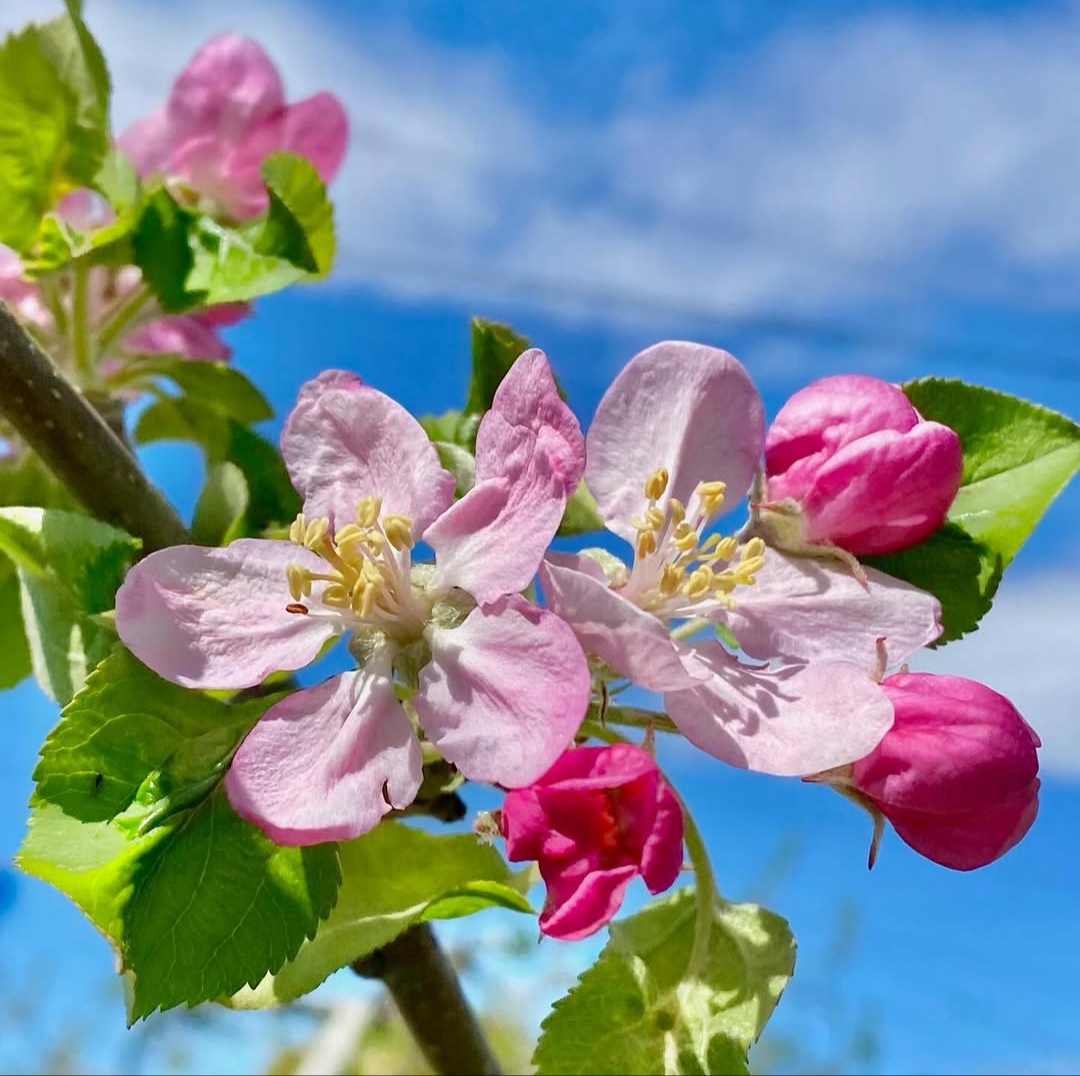
In the kitchen, Snow Calville shines in understated ways. It lends itself beautifully to baking, where its gentle sweetness deepens into something warm and nostalgic. Whether used in pies, tarts, or simple stews, it brings a softness that complements spices rather than competing with them. Even eaten fresh, it feels like a quiet indulgence—an apple that doesn’t demand attention, but rewards it.
Ultimately, Snow Calville is more than just a fruit; it is a reflection of a slower, more thoughtful way of living. In choosing such heirloom varieties, we reconnect with the rhythms of nature and the stories rooted in our food. It reminds us that not everything needs to be bold or flashy to be meaningful. Sometimes, the most beautiful things are those that whisper rather than shout.
| Device | cannon eos 700D |
|---|---|
| Lens | 55-250 zoom leans |
| Location | Bangladesh |