Adenium obesum: The Desert Rose That Blooms Against All Odds
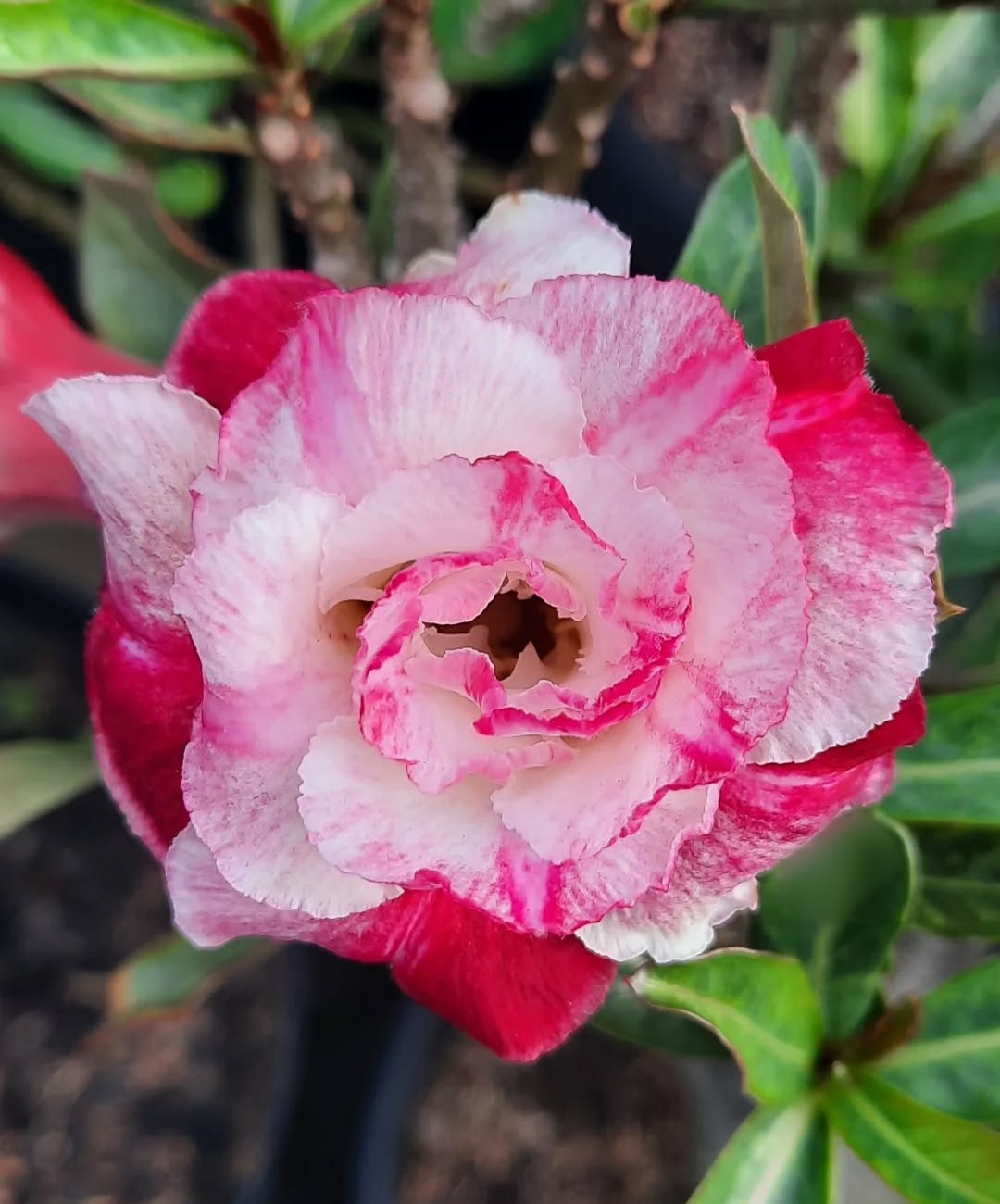
In the stark, sun-scorched landscapes of Africa and the Arabian Peninsula, where survival itself is an art, Adenium obesum emerges as a quiet marvel. Commonly known as the Desert Rose, this striking plant defies its harsh surroundings with blooms that rival the elegance of cultivated garden flowers. Its swollen trunk, known as a caudex, stores water like a hidden reservoir, allowing it to thrive where many others would wither. It is a living testament to resilience shaped by adversity.
At first glance, Adenium obesum captivates with its sculptural form. The thick, bulbous base tapers into smooth branches crowned with glossy green leaves and trumpet-shaped flowers in shades of pink, red, and white. Each blossom seems almost deliberate, as if painted with care against the backdrop of dry earth. Gardeners around the world prize it not only for its beauty but also for its ability to be shaped over time, often resembling a natural bonsai with a bold, expressive character.
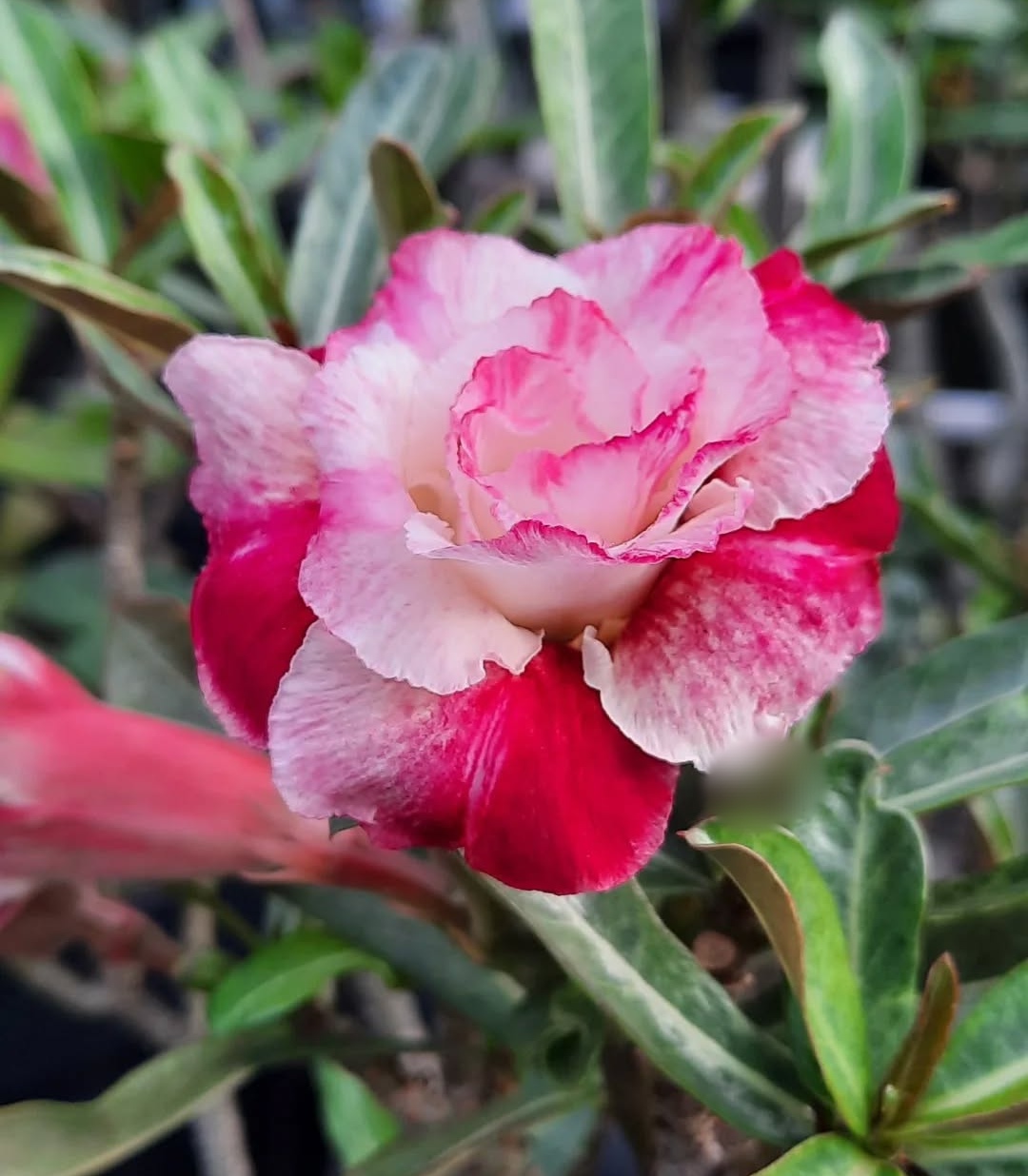
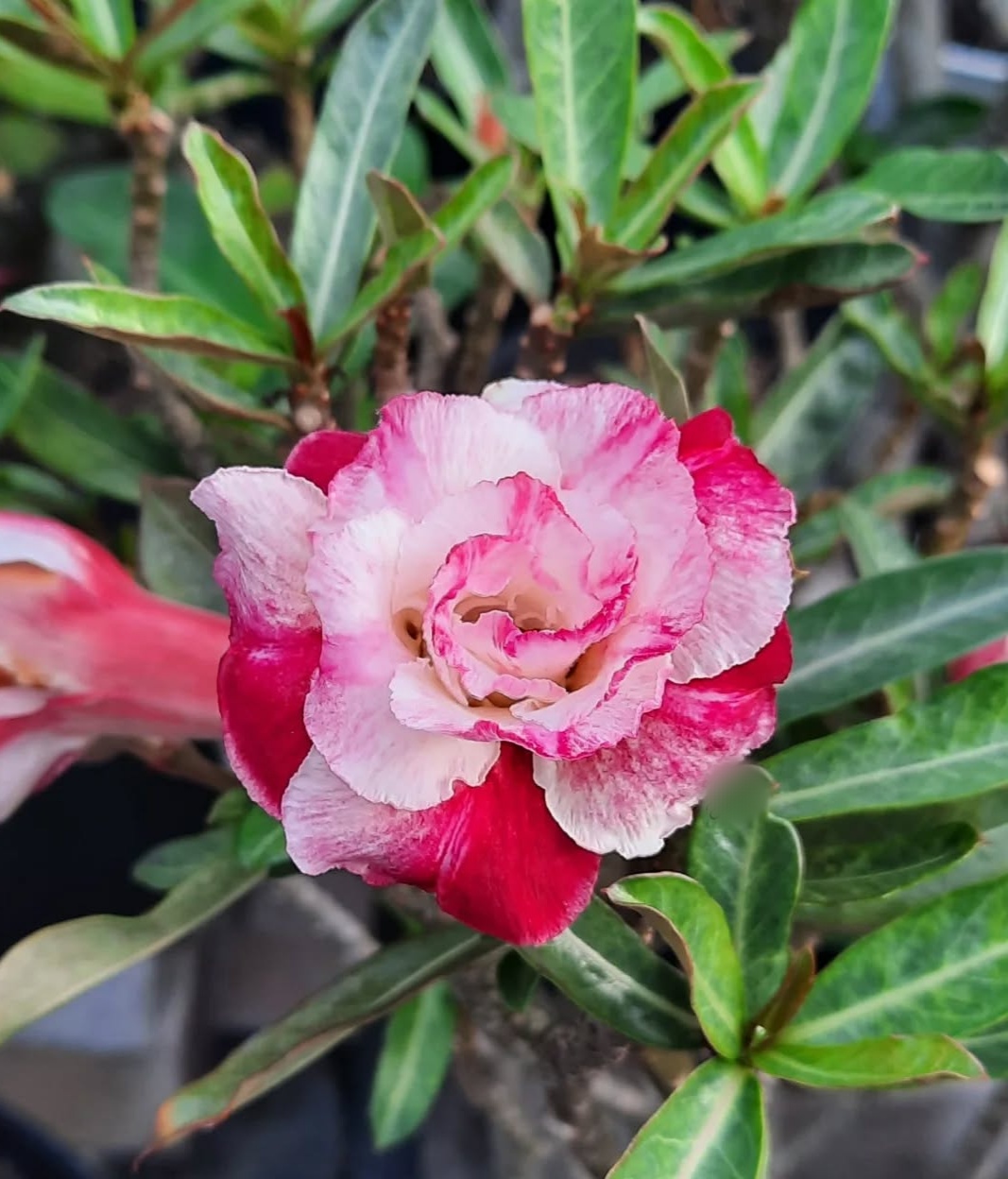
Despite its delicate appearance, this plant carries a potent secret. Its sap contains toxic compounds historically used in some regions to poison arrows for hunting. This duality—beauty paired with danger—adds to its mystique. It serves as a reminder that nature rarely offers simple narratives; even the most enchanting forms can hold hidden strength. For those who cultivate it, this means handling the plant with respect and awareness.
Caring for Adenium obesum invites a deeper appreciation of balance. It thrives in bright sunlight, well-draining soil, and infrequent watering—conditions that mimic its native habitat. Overwatering, often a well-intentioned mistake, can harm it more than neglect. In this way, the Desert Rose teaches restraint, encouraging its caretaker to understand rather than control. Its slow, steady growth rewards patience with bursts of vivid color.
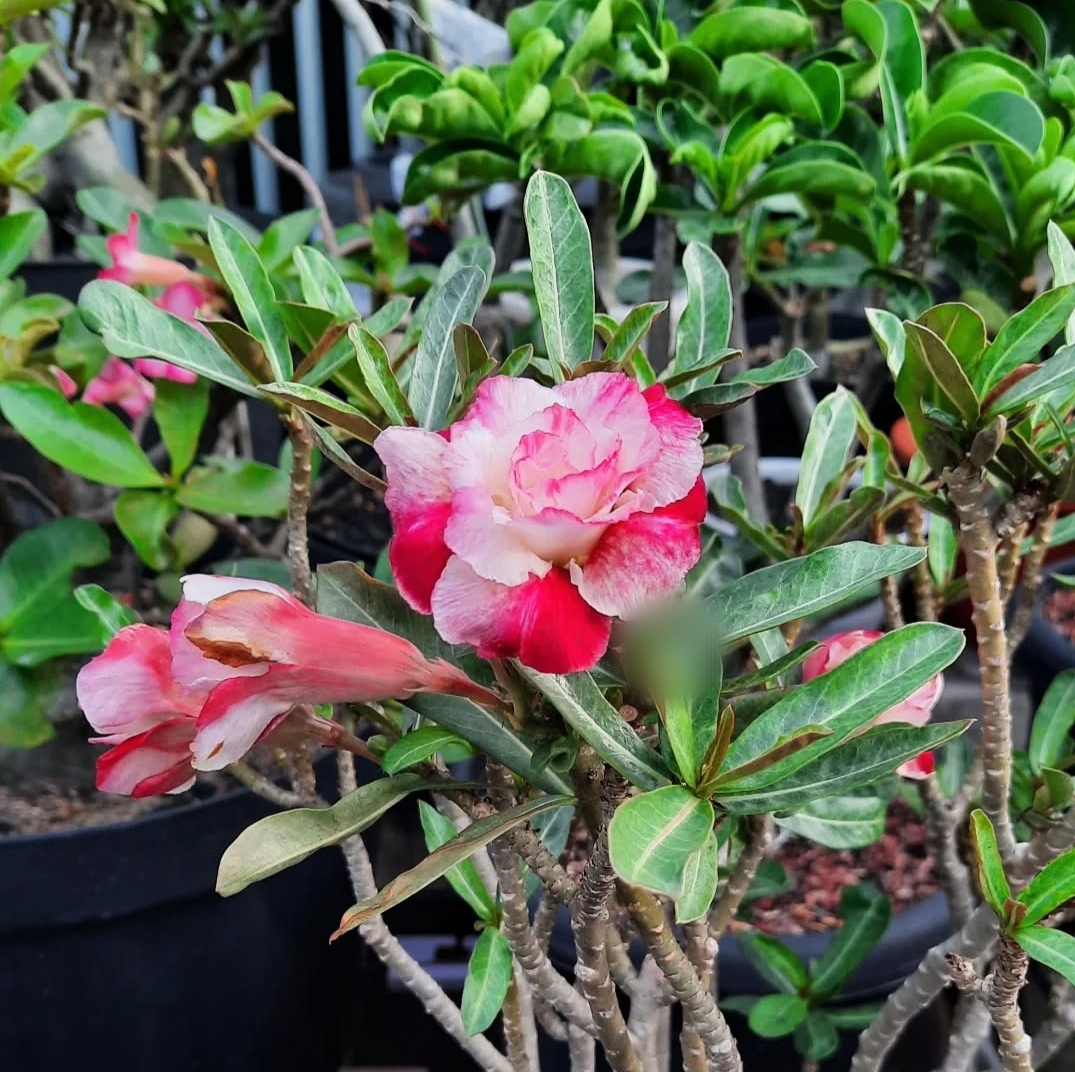
Beyond its horticultural appeal, Adenium obesum carries cultural significance in various regions. It is often seen as a symbol of endurance and beauty in adversity, admired for its ability to flourish under extreme conditions. In homes and gardens, it becomes more than an ornamental plant—it transforms into a quiet companion, reflecting the strength found in simplicity and adaptation.
Ultimately, Adenium obesum tells a story that resonates far beyond its desert origins. It speaks of survival, of hidden reserves, and of the unexpected beauty that can emerge from hardship. In a world that often equates abundance with success, the Desert Rose stands apart, proving that even in scarcity, life can bloom with remarkable grace.
| Device | cannon eos 700D |
|---|---|
| Lens | 55-250 zoom leans |
| Location | Bangladesh |