Kozo: The Quiet Strength Behind Paper and Tradition
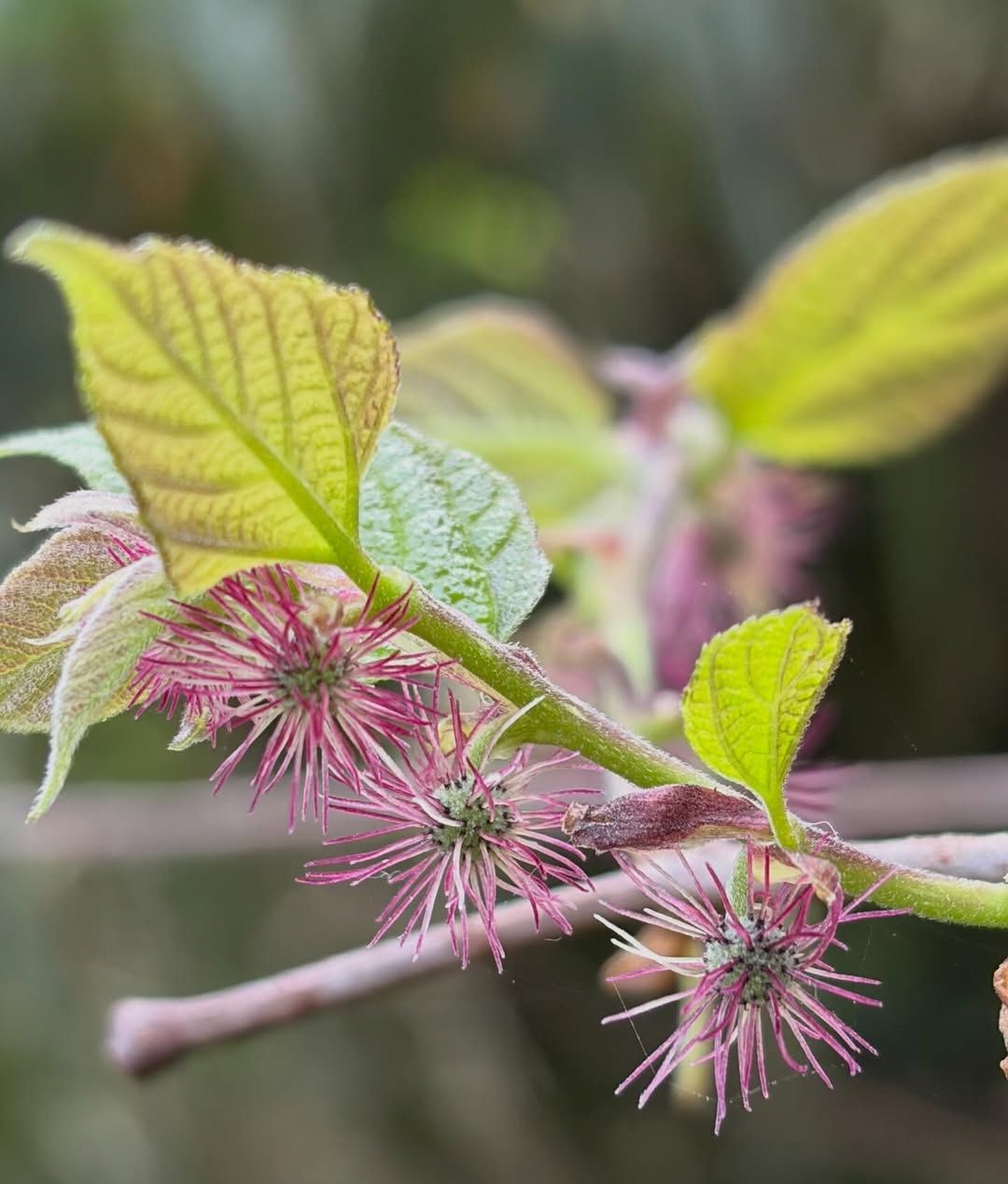
In the gentle rhythm of traditional craftsmanship, few materials carry as much quiet significance as Kozo. Known scientifically as Broussonetia papyrifera and often called the paper mulberry, Kozo is more than just a plant—it is a bridge between nature and human creativity. Its presence is subtle in the wild, yet its influence stretches across centuries, shaping art, culture, and communication in ways that are often overlooked.
Native to East Asia, particularly regions of Japan, China, and Korea, Kozo thrives in warm, temperate climates where it grows quickly and abundantly. Its tall, slender stems and broad leaves may appear ordinary at first glance, but hidden within its bark lies a remarkable strength. For generations, artisans have harvested this inner bark to create some of the world’s finest handmade papers, known for their durability, flexibility, and natural beauty.
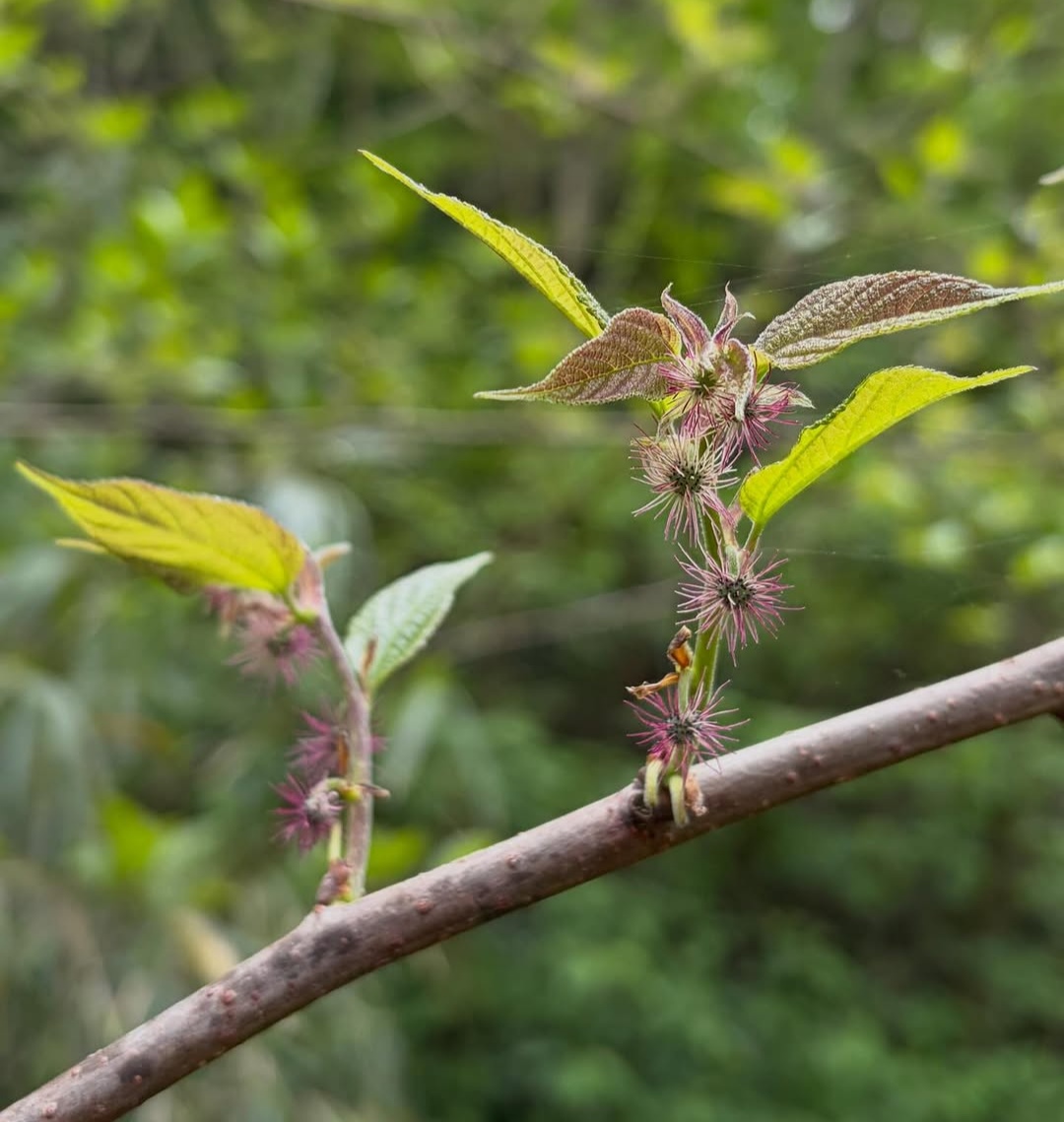
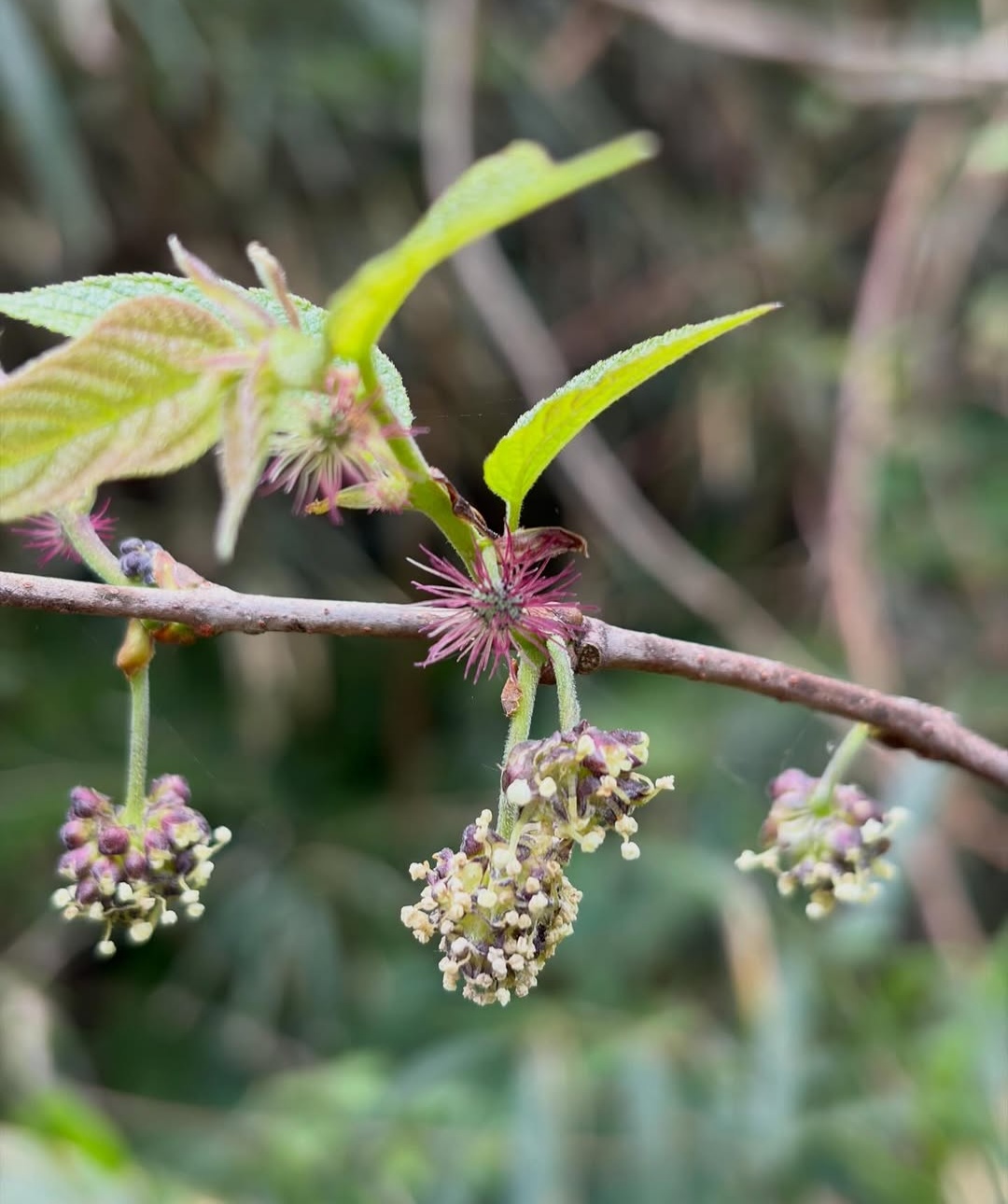
The process of transforming Kozo into paper is both labor-intensive and deeply meditative. Strips of bark are carefully steamed, peeled, cleaned, and beaten into fibers before being suspended in water and formed into sheets. This traditional method, often associated with Japanese washi-making, turns a simple plant into a canvas capable of holding ink, preserving stories, and carrying artistic expression across time. Each sheet reflects patience, skill, and a deep respect for natural materials.
What makes Kozo paper so extraordinary is its resilience. Unlike many modern papers that become brittle with age, Kozo-based paper can last for centuries when properly cared for. Historical documents, calligraphy, and artworks created on Kozo paper have survived wars, migrations, and the passage of time. In this sense, Kozo becomes a silent guardian of human memory, preserving voices that might otherwise fade.
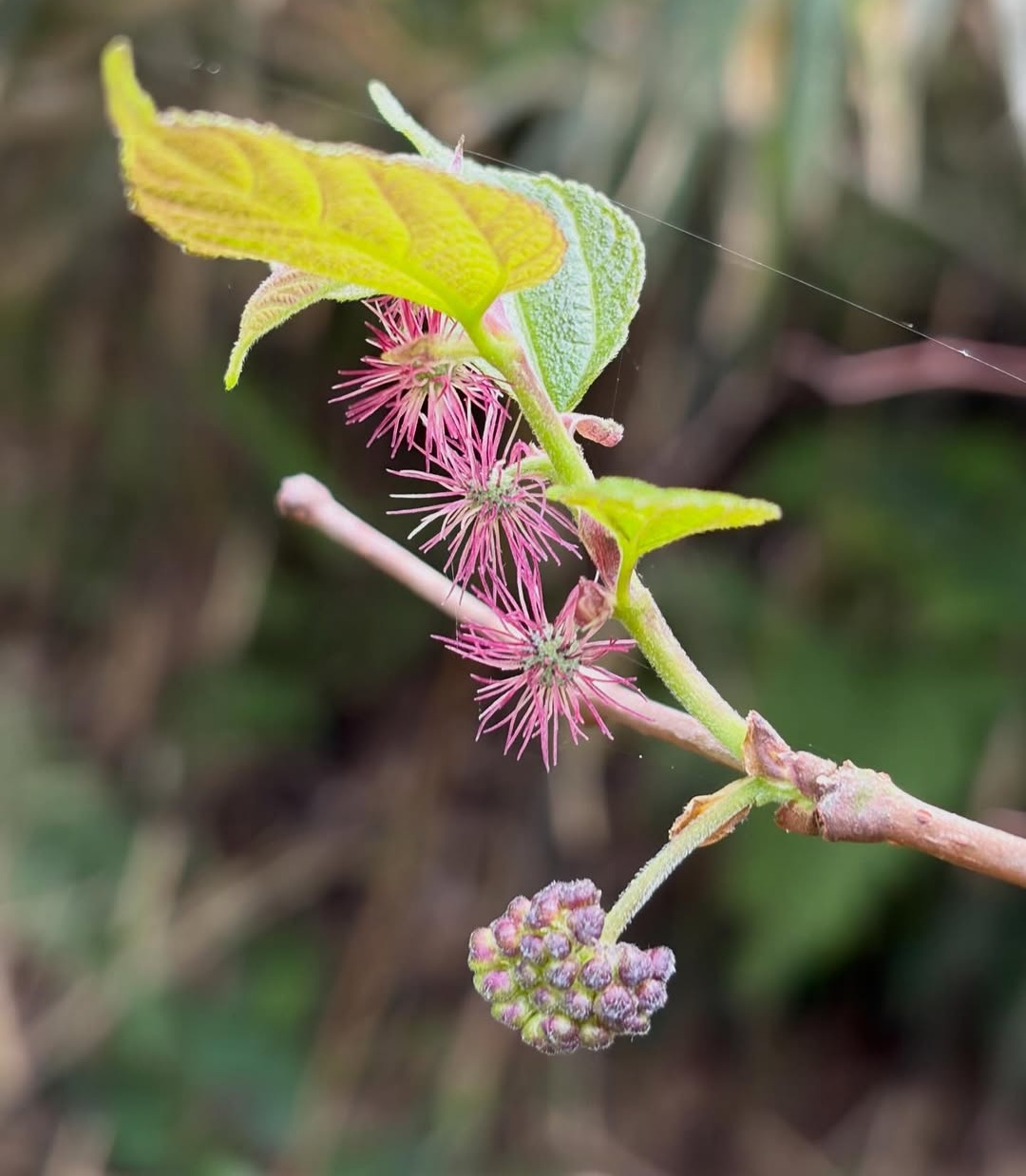
Beyond its practical uses, Kozo carries a cultural and symbolic weight. It represents harmony between humans and nature, reminding us that beauty and utility can coexist. In a world increasingly dominated by mass production, Kozo stands as a testament to the value of slow, intentional craftsmanship. It invites us to reconsider how we create and consume, encouraging a deeper appreciation for materials that come directly from the earth.
Ultimately, Kozo is not just a plant or a raw material—it is a story of transformation. From a humble tree to a medium of art and preservation, it embodies the idea that something simple can become extraordinary through care and dedication. In every sheet of Kozo paper, there is a quiet echo of the forest, a whisper of tradition, and a lasting imprint of human touch.
Thanks For Reading
Device Information
| Device | Redmi Note 10 Pro |
|---|---|
| Lens | 64 mp |
| Location | Bangladesh |