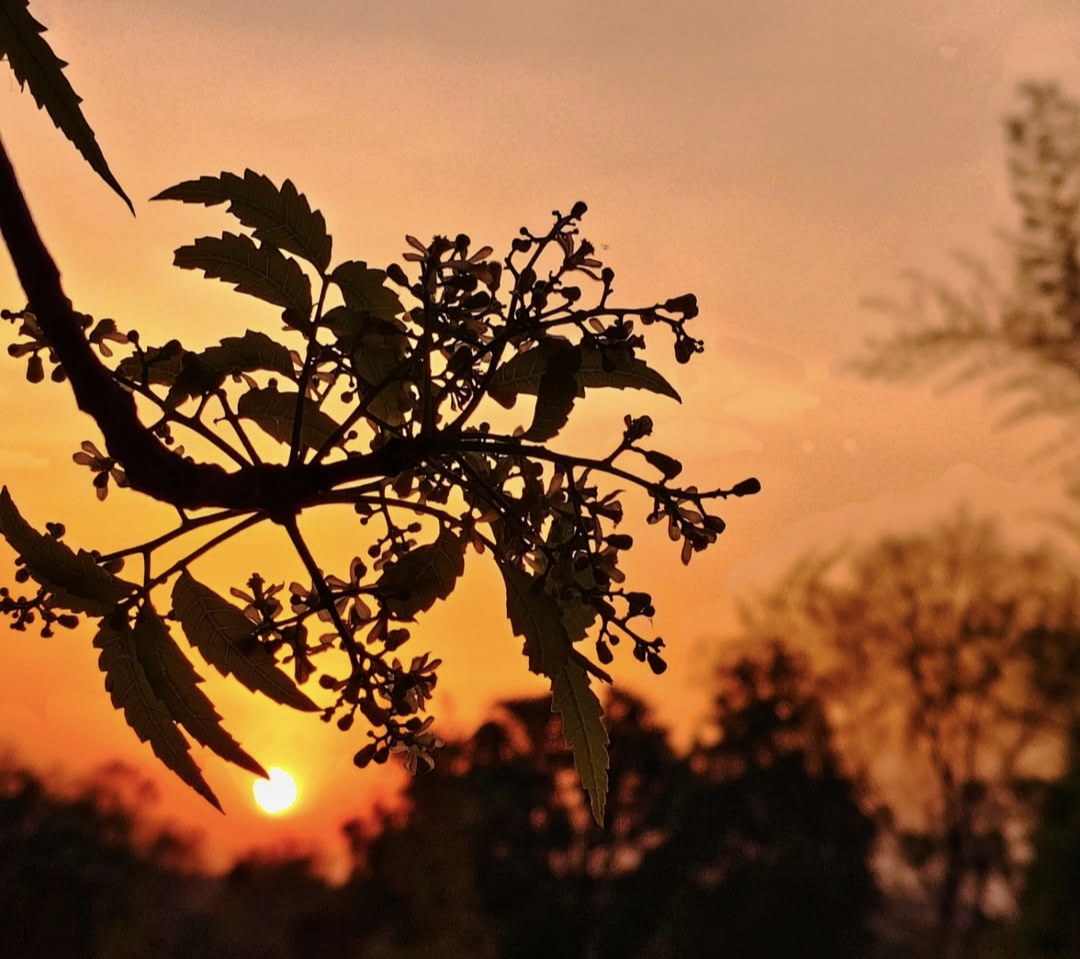
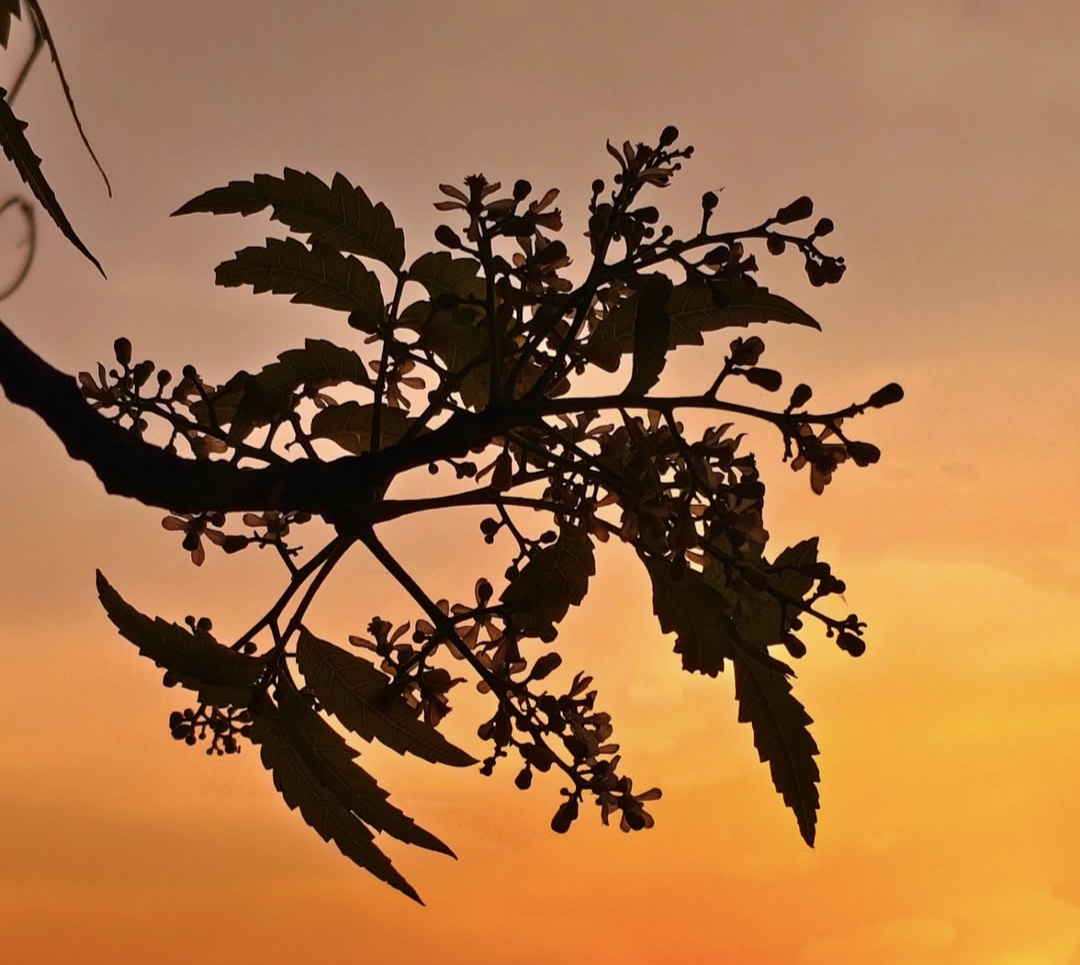
Neem Tree: Nature’s Timeless Guardian
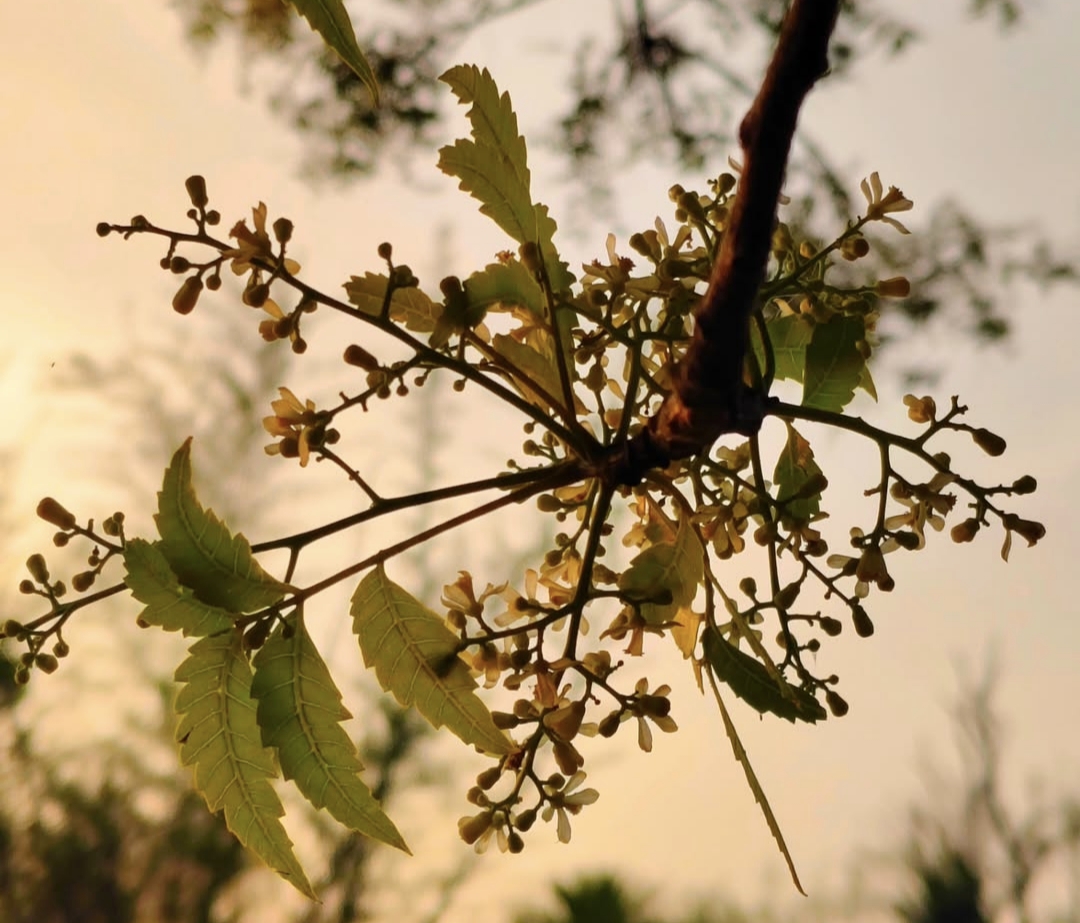
The Neem tree is one of the most respected and beneficial trees found in tropical regions, known for its deep green leaves, cooling shade, and remarkable healing properties. Standing tall and strong, the tree has been a familiar presence in villages, gardens, and roadsides for generations. Its branches spread widely, offering shelter from the scorching sun, while its fresh leaves create a calming connection with nature. The Neem tree may appear simple at first glance, but it carries immense value in everyday life and traditional culture.
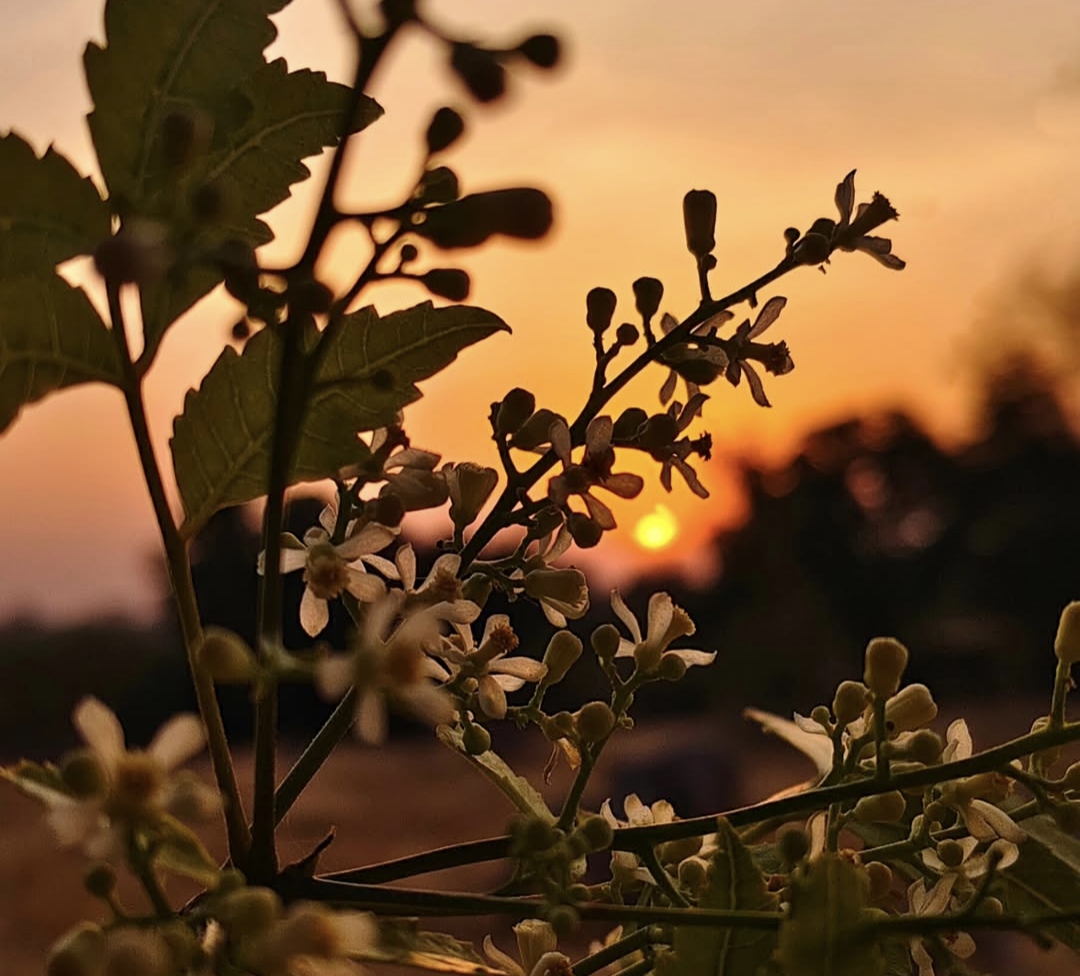
Often called the “village pharmacy,” the Neem tree has long been appreciated for its medicinal importance. Different parts of the tree, including its leaves, bark, seeds, and flowers, have been used in traditional remedies for centuries. People value Neem for its natural antibacterial and cleansing qualities, and it is commonly used in herbal skincare, hair care, and home remedies. Even the bitter taste of its leaves is associated with purification and wellness, reminding people that healing sometimes comes through nature’s simplest gifts.
Beyond its health benefits, the Neem tree also plays an important role in the environment. It is highly resilient and can survive in dry, hot climates where many other trees struggle to grow. Its strong roots help protect the soil, while its leaves improve air quality and provide shelter for birds and insects. Farmers often appreciate the tree for its natural pest-repelling properties, making it valuable in sustainable agriculture. Because of its durability and usefulness, the Neem tree is often seen as a symbol of protection and endurance.