🌍 Pakistan’s Role in the US–Iran Conflict: A Bridge for Peace
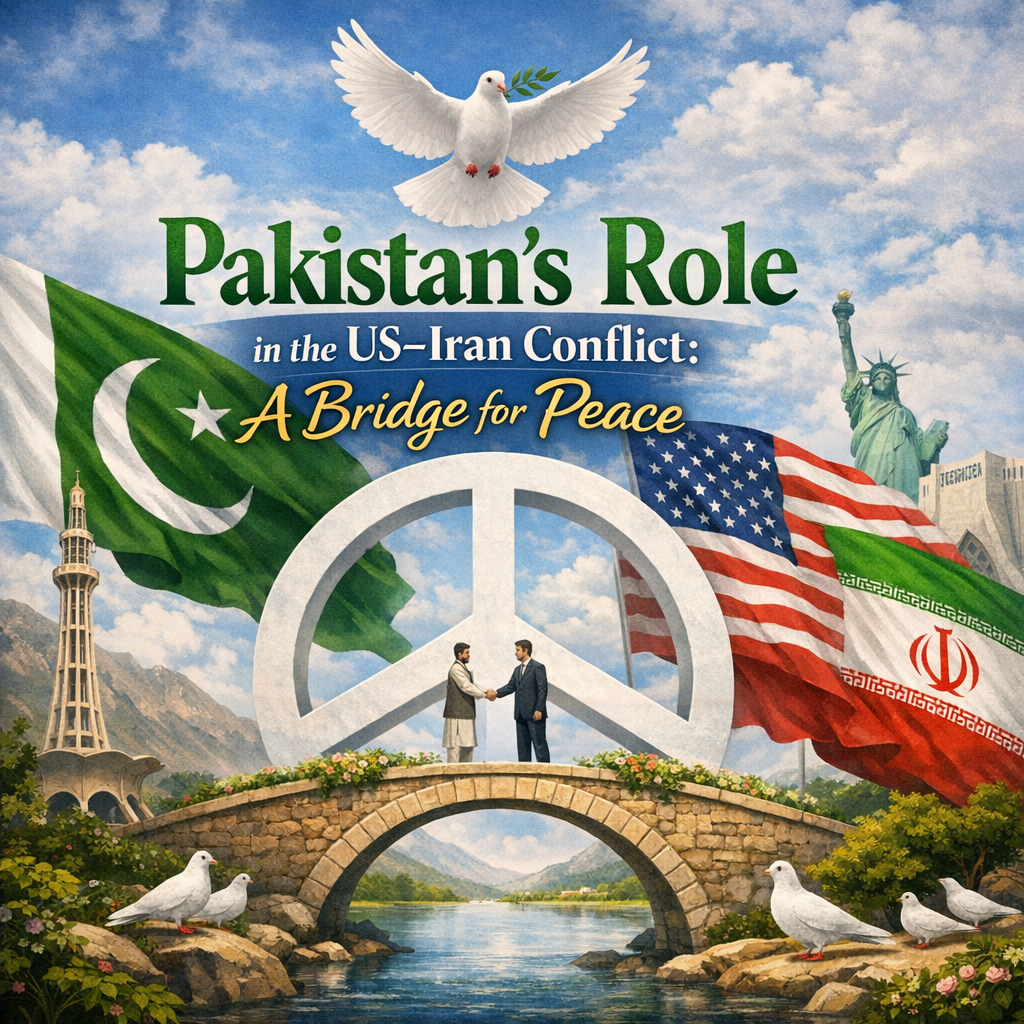
In recent global tensions between the United States and Iran, the world witnessed a dangerous situation that could have led to a wider war. However, in this critical time, Pakistan emerged as an important player—not as a fighter, but as a peacemaker. Pakistan chose a path of diplomacy instead of conflict. While many countries took sides, Pakistan maintained a neutral and balanced position, focusing on peace and stability. 🤝 Pakistan as a Mediator Pakistan played a key role as a bridge between the US and Iran. Due to its good relations with both countries, it became a trusted channel for communication. Reports show that Pakistan even hosted talks and helped both sides come closer to negotiations. �
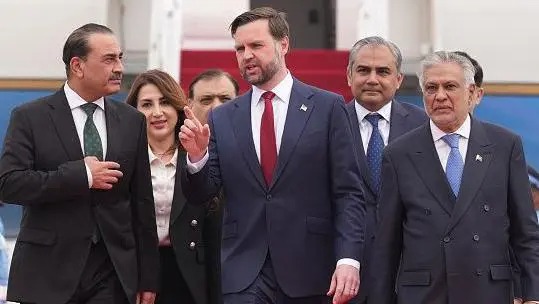
Islamabad: The Hub of Peace Diplomacy.
Pakistan’s capital, Islamabad, became a crucial center for diplomatic engagement during this tense period. It hosted direct negotiations between Iran and the United States, aimed not only at reducing immediate tensions but also at laying the groundwork for long-term peace.
Pakistan’s leadership demonstrated exceptional wisdom and neutrality, successfully bringing both sides to the negotiating table—an achievement that reflects high-level diplomatic skill and strategic vision.
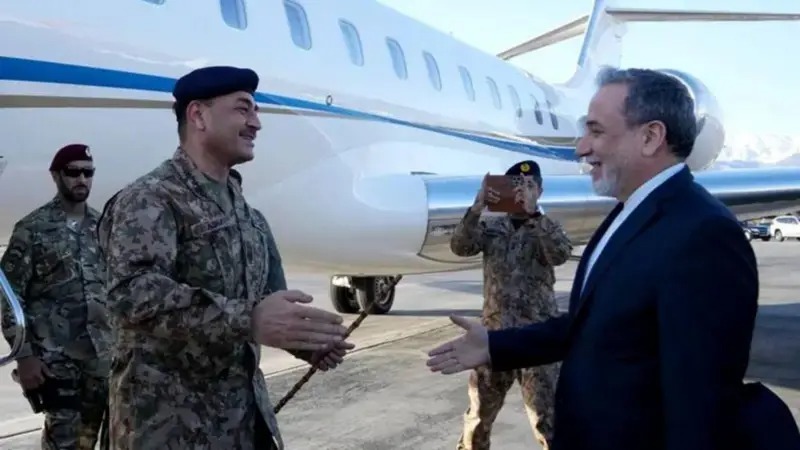
Field Marshal Asim Munir’s Key Visit to Iran
A pivotal role in this peace effort was played by Asim Munir, who visited Iran and held high-level meetings with its leadership. His visit was far more than symbolic—it represented a serious and result-oriented diplomatic initiative.
He emphasized the importance of regional stability, highlighted the potential economic consequences of conflict, and encouraged continued dialogue with the United States. His efforts helped build trust and opened channels for constructive communication.
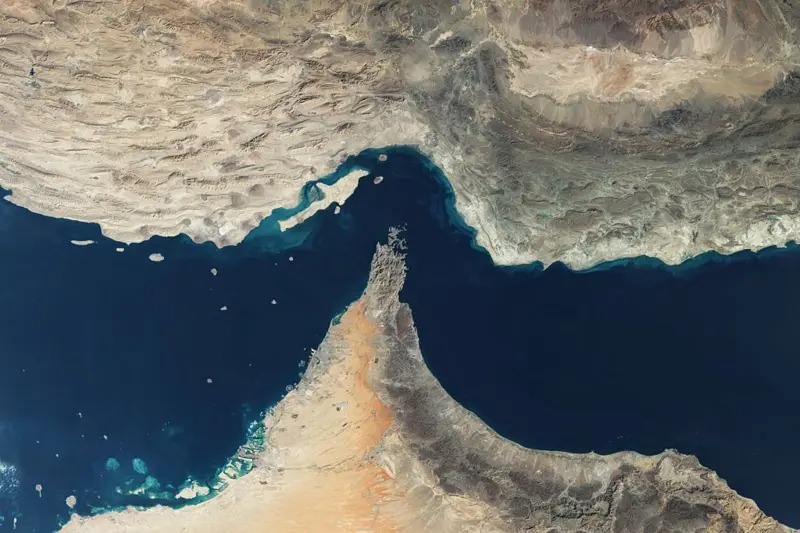
Strait of Hormuz: The Lifeline of Global Economy
One of the biggest risks during the crisis was the possible closure of the Strait of Hormuz, a critical route for global oil supply. Any disruption there could have triggered a severe economic shock worldwide.
Thanks to Pakistan’s successful diplomatic engagement, not only was the threat of escalation reduced, but the Strait of Hormuz was also reopened, restoring stability to global markets and ensuring the smooth flow of energy supplies.
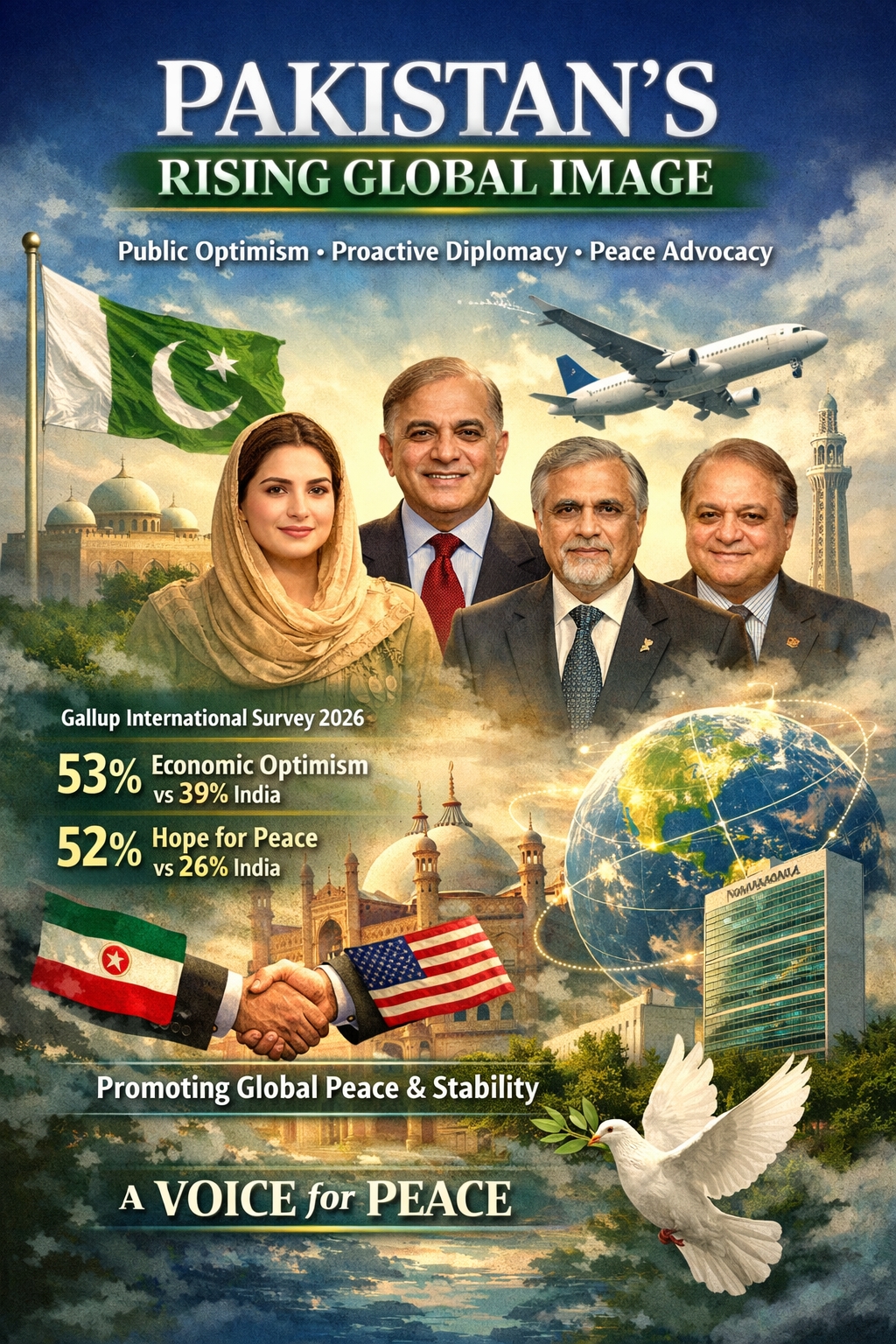
Pakistan’s Rising Global Image
Through these efforts, Pakistan sent a powerful message to the world: it is not just a regional player, but a responsible global actor committed to peace and stability. This diplomatic success has strengthened Pakistan’s international image and reaffirmed its role as a mediator in times of crisis.
Conclusion
Pakistan’s role in easing tensions between Iran and the United States will be remembered as a significant diplomatic achievement. It reflects the country’s strategic maturity, commitment to peace, and ability to influence global outcomes through dialogue.
This is not just a success story—it is a glimpse into Pakistan’s emerging role as a force for peace on the world stage.