The Elegance of Lisianthus: Nature’s Softest Masterpiece
If you are a fan of floral arrangements, you have likely found yourself mesmerized by the Lisianthus (Eustoma). Often referred to as the "poor man’s rose," this nickname hardly does justice to a flower that radiates such sophisticated, ruffled beauty.
With its delicate, paper-thin petals and wide color palette ranging from creamy white and soft blush to deep purple and bold bi-colors, Lisianthus is a favorite among florists and gardeners alike.
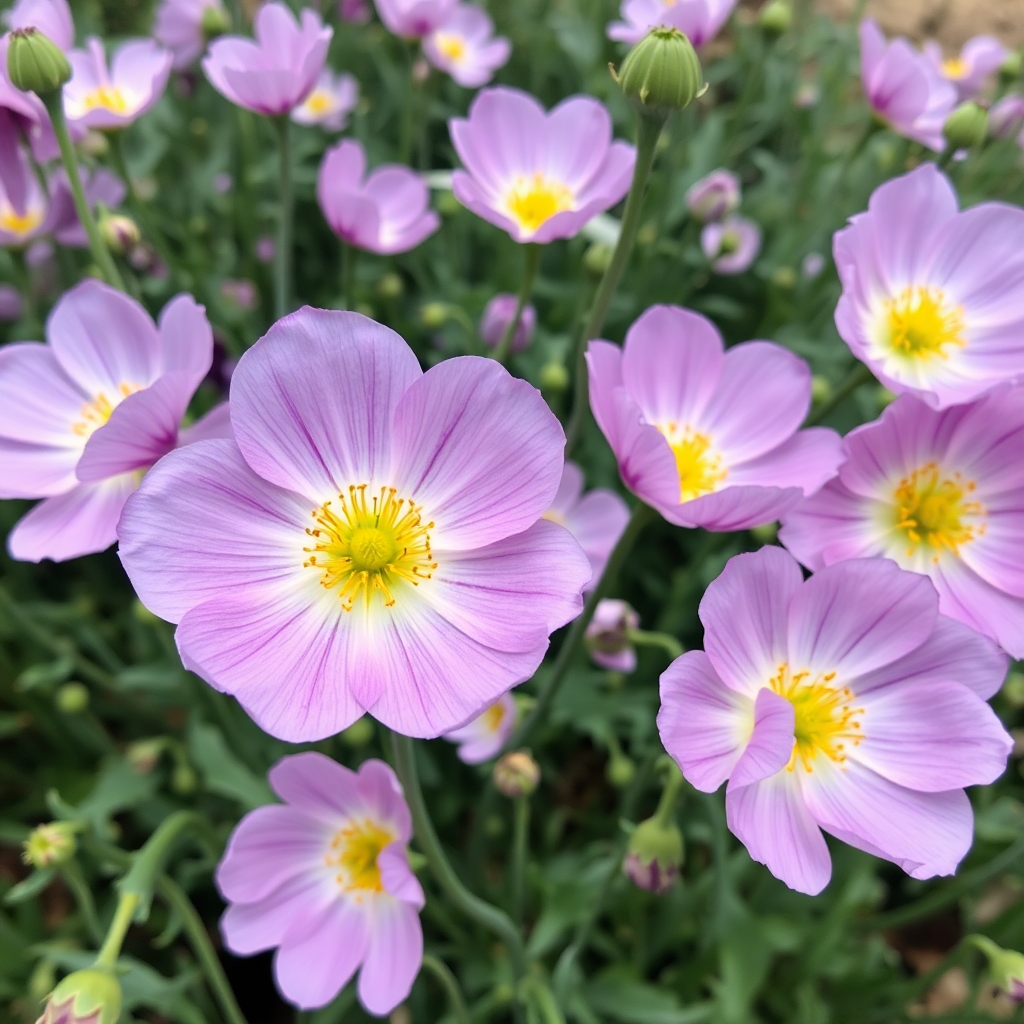
A Symbol of Grace Native to the warm regions of the Southern United States, Mexico, and the Caribbean, Eustoma has traveled far to become a staple in high-end floral design.
Symbolizing appreciation, charisma, and lifelong bonds, the Lisianthus is a popular choice for weddings and celebratory bouquets. Its aesthetic is undeniably romantic, offering a graceful, voluminous look that bridges the gap between the wild beauty of a tulip and the formal elegance of a rose.
Why Gardeners Love Them While Lisianthus is prized for its longevity in a vase, growing them is a labor of love. They are known for being somewhat temperamental, preferring consistent moisture, well-draining soil, and plenty of sunlight.
However, the reward for your patience is unmatched. Once established, these plants produce multiple blooms on a single stem, providing a long-lasting display that can brighten any garden bed or patio container.
Caring for Your Cut Stems If you’ve brought a bouquet of Lisianthus home, treat them with care. To maximize their vase life—which can last up to two weeks—trim the stems at a 45-degree angle and remove any foliage that sits below the water line. Keep them away from direct sunlight and drafts, and change the water every few days.
Whether you are looking for the perfect wedding bloom or a sophisticated addition to your garden, the Lisianthus proves that with a little tenderness, you can grow true, ruffled perfection.