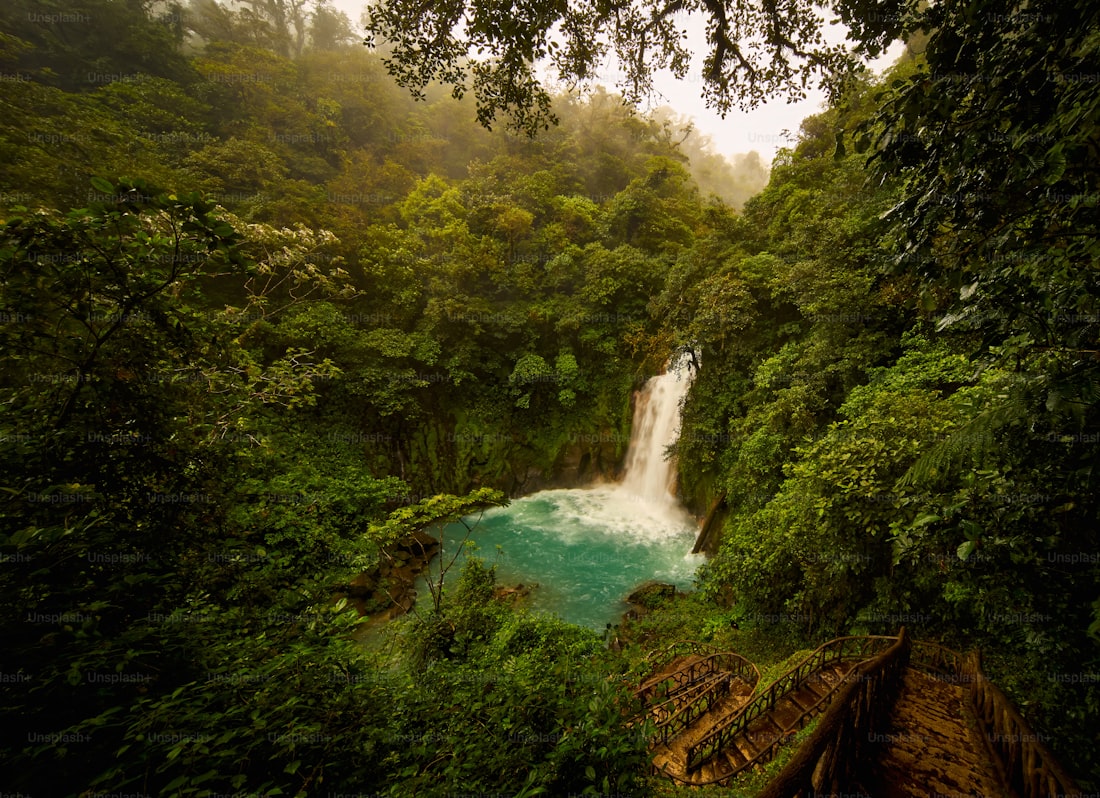
Shadows in the Sal Trees: My Unforgettable 24 Hours in the Indian Jungle
By Sumit
There is a massive difference between watching a nature documentary on a screen and standing in a place where you are no longer at the top of the food chain.
I’ve always wanted to test my limits, to strip away the constant hum of notifications and replace it with the breathing, whispering reality of the wild. So, I packed a basic rucksack, laced up my boots, and stepped into one of India’s densest jungle terrains.
This is the journal of what happened when the canopy closed overhead.
05:30 AM – The Grand Awakening
The jungle doesn't wake up slowly; it explodes into life all at once.
The morning began in a thick shroud of ground fog. Walking quietly along a dirt track, the first thing that hits you is the smell—the rich, intoxicating scent of wet earth, rotting wood, and damp moss. Suddenly, a sharp, metallic bark shattered the silence.
"Khakhra!" A Langur monkey high up in the Sal canopy was throwing out an alarm call. My guide froze, signaling me to stop. In the Indian jungle, an alarm call means one thing: a predator is moving. We stood entirely still for ten minutes, watching the undergrowth. We didn't see the striped coat of a Bengal tiger that morning, but knowing he was likely watching us from the tall elephant grass sent an instant jolt of adrenaline straight to my veins.
01:00 PM – The Heavy Noon Silence
By midday, the jungle undergoes a dramatic transformation. The chaotic symphony of bird calls vanishes, replaced by a heavy, oppressive stillness. The heat sits thick under the canopy.
We set up a temporary camp near a dry riverbed (known locally as a nullah). This is where you realize how alive the micro-world is. While resting against an ancient banyan tree, I tracked a column of giant forest ants carrying leaf fragments five times their size, while a brilliant emerald-green vine snake melted seamlessly into the foliage just a few feet away.
Jungle Rule #1: Never put your hands or feet anywhere your eyes haven't thoroughly inspected first. In the brush, camouflage is a survival mechanism, not a fashion statement.
06:30 PM – Dusk and the Changing of the Guard
As the sun dipped below the horizon, painting the sky in violent shades of orange and purple, the jungle shifted gears. The diurnal animals retreated, and the nocturnal predators took over.
We retreated to a safe, elevated forest watchtower (machan) for the evening. The transition period is eerie. The continuous, electric buzz of cicadas cranked up to full volume, sounding almost like a high-voltage power line.
Through my binoculars, I caught sight of a herd of spotted deer (chital) cautiously approaching a waterhole. They drank in shifts—two heads down, three heads up, ears pivoting like radar dishes. In the dark, every rustle of dry leaves feels magnified by a hundred.
11:00 PM – Into the Pitch Black
Sitting in the dark with a switched-off flashlight is a humbling experience. Your eyes try to piece together shapes out of pure blackness, but it’s your ears that do the heavy lifting.
Around midnight, a sound cut through the cicada drone—a low, rhythmic, sawing noise. It sounded exactly like someone taking a handsaw to a thick piece of wood.
A leopard.
It was marking its territory less than half a kilometer from our position. It’s a sound that resonates in your chest cavity, a reminder of the raw power completely hidden by the night.
Sumit's Jungle Survival Packing List
If you are planning to leave the concrete jungle behind for a real one, this is the absolute baseline gear I relied on:
Footwear: High-ankle trekking boots (crucial for protection against ticks, leeches, and uneven terrain).
Clothing: Strictly earth tones (khaki, olive green, dull brown). Bright colors signal danger to wildlife and ruin your chances of sightings.
Hydration: A heavy-duty water purifier bottle. The humidity drains you faster than you think.
Illumination: A reliable 1000+ lumen headlamp with a red-light mode (red light doesn't destroy your night vision or attract clouds of insects).
Final Thoughts: What the Wild Teaches You
Twenty-four hours in the jungle changes how you look at the world. Out here, nothing is wasted. Every sound has a purpose, every movement is calculated, and everything is interconnected. You don't conquer the jungle; you simply adapt to it and thank it for letting you leave in one piece.
Until the next adventure, keep it wild!
Have you ever spent a night in the wild, or is a jungle safari on your bucket list? Let me know your thoughts in the comments below!