Spider: The Silent Architect of Nature
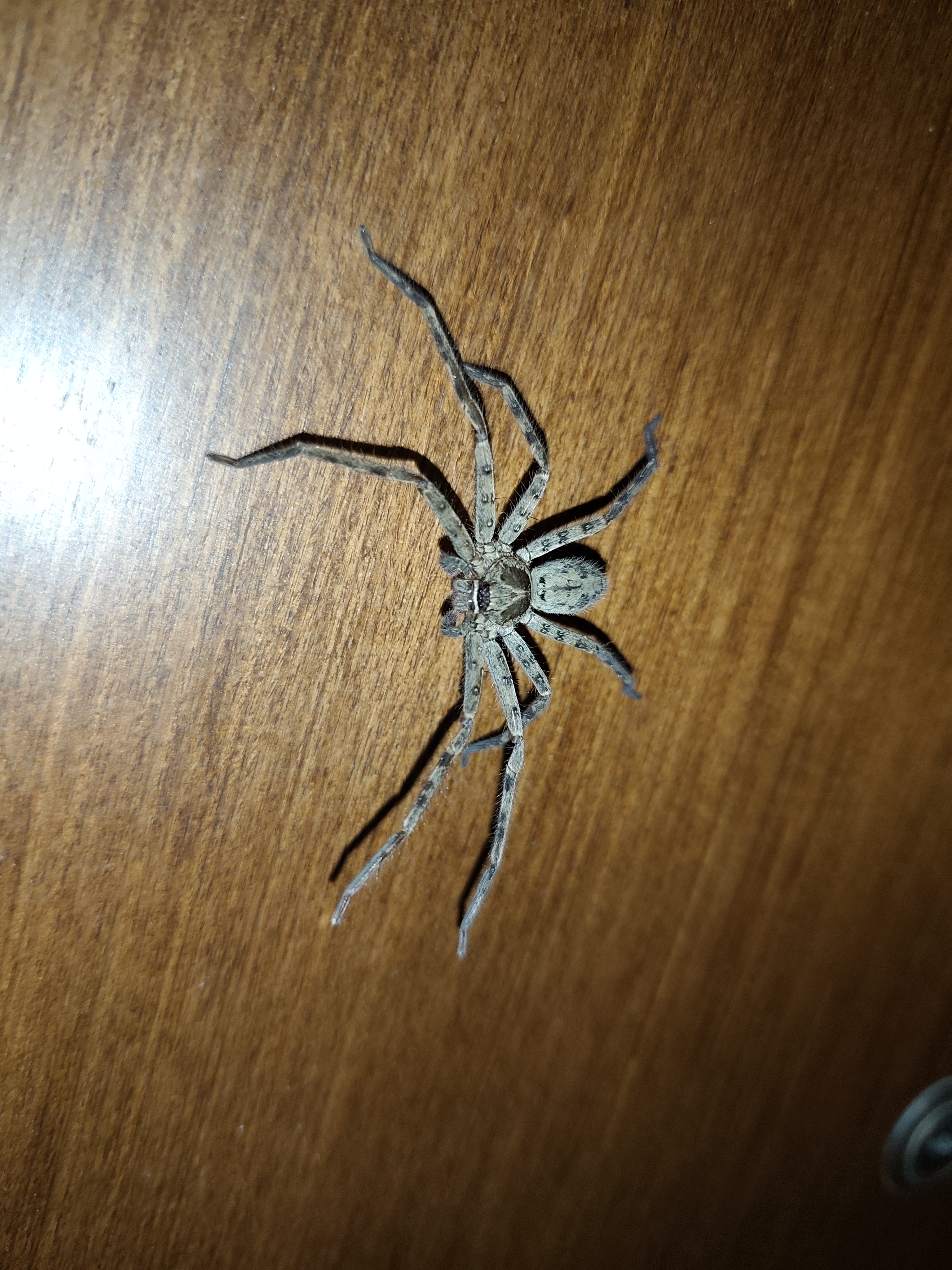
Spiders are among the most fascinating and misunderstood creatures in the natural world. Found almost everywhere on Earth, these tiny hunters play an important role in maintaining ecological balance. With their delicate legs, sharp instincts, and intricate webs, spiders have inspired both fear and admiration for centuries. Although many people are afraid of them, most spiders are harmless and prefer to avoid human contact.
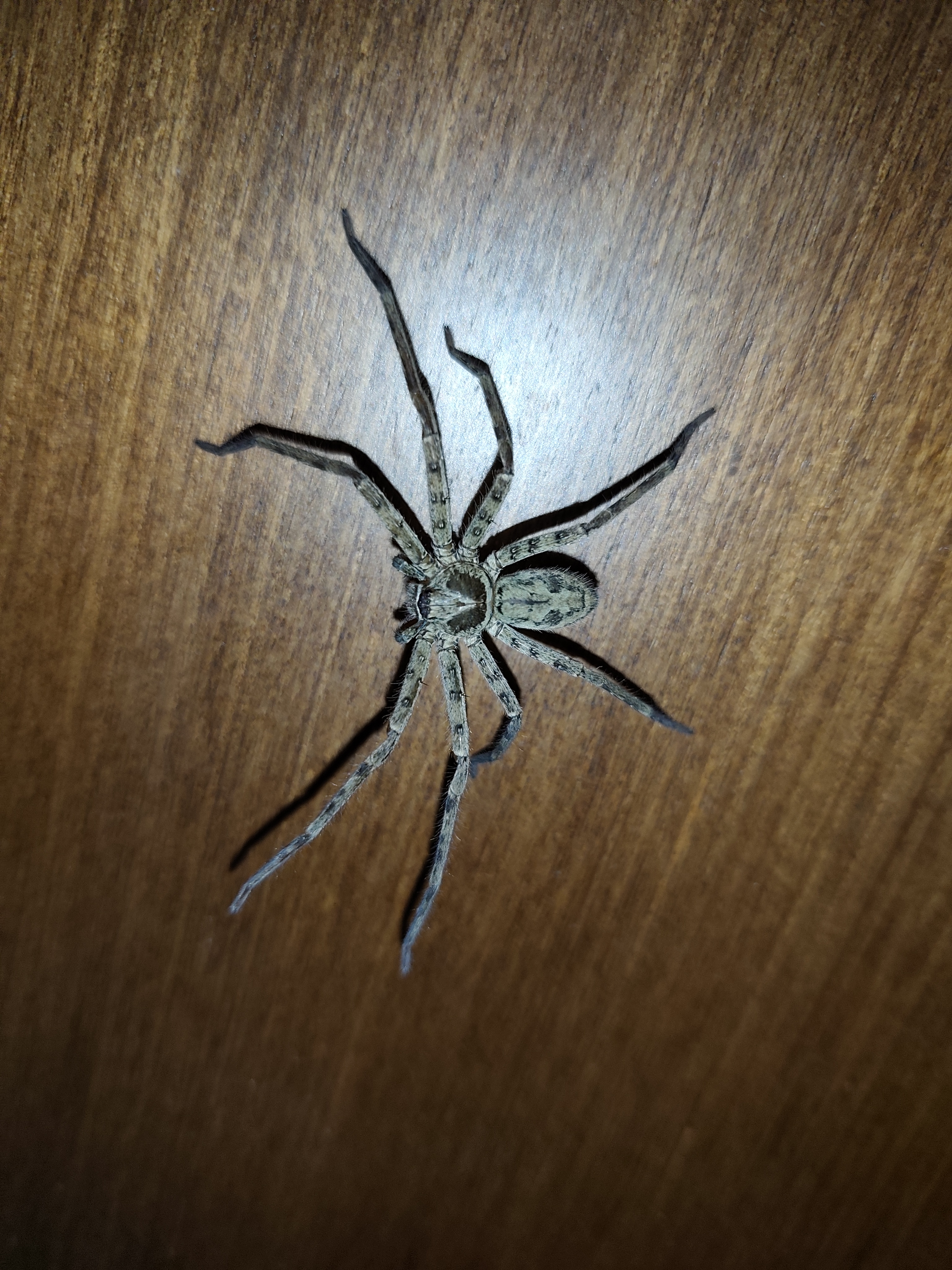
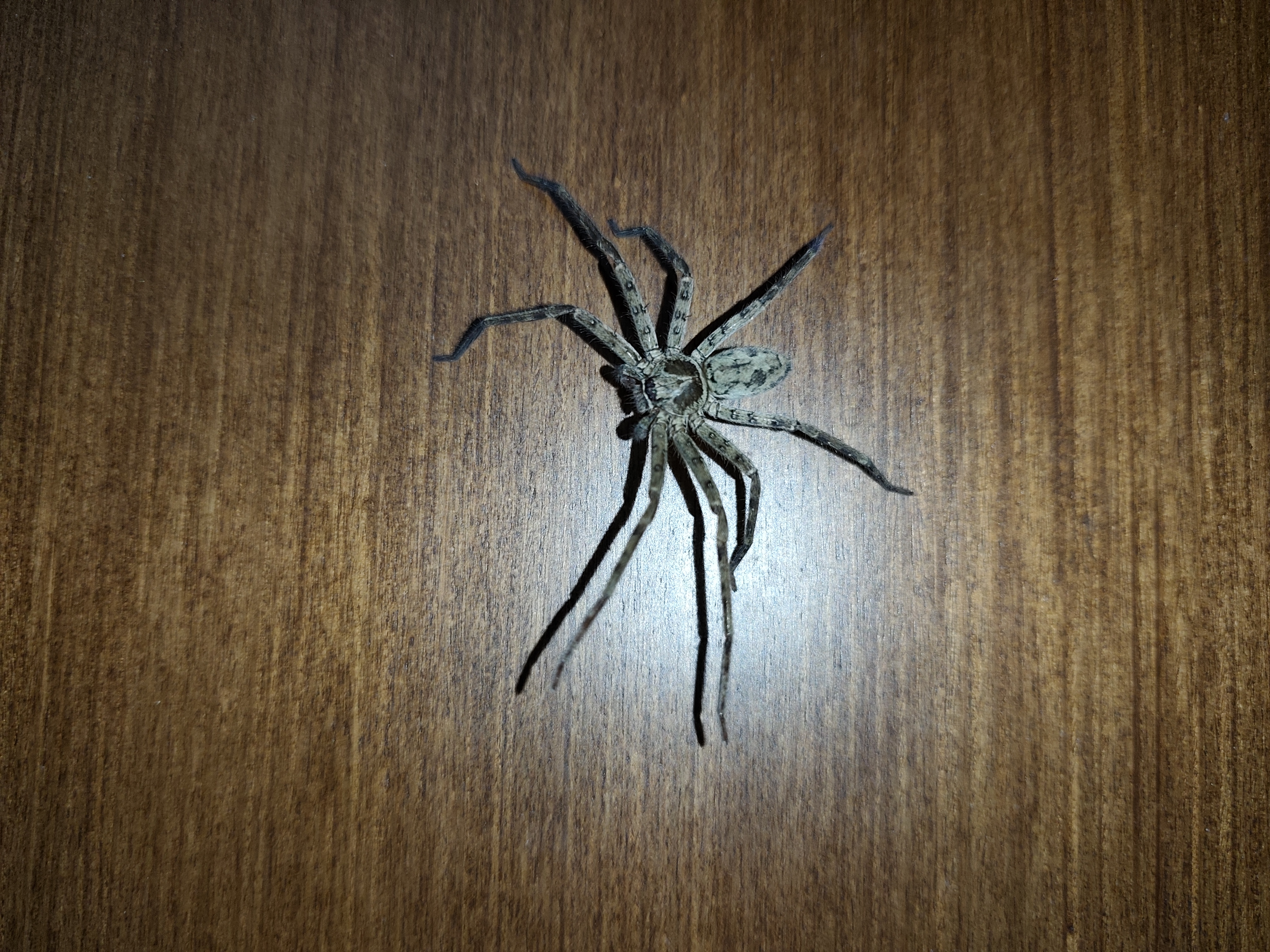
One of the most remarkable features of spiders is their ability to create webs. These silky structures are not only beautiful but also highly functional. Each web is carefully designed to trap insects, providing food for the spider while naturally controlling pest populations. In the early morning, when covered with dew, spider webs can look like sparkling works of art hanging quietly in gardens and forests. Their patience and precision reflect nature’s extraordinary craftsmanship.
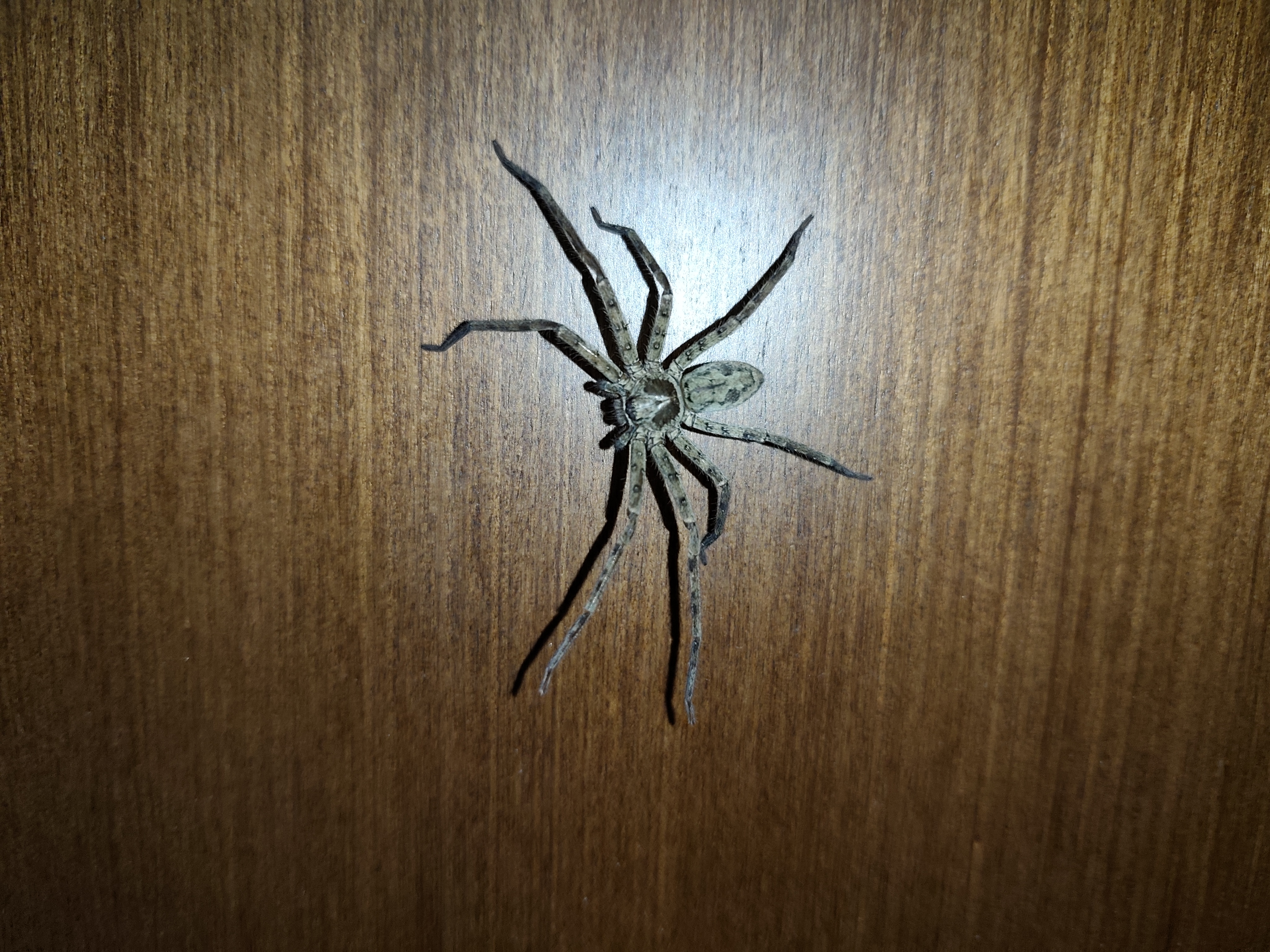
Spiders are also symbols of resilience and creativity. Despite their small size, they adapt to different environments with ease, whether in deserts, rainforests, or human homes. Many species do not build webs at all and instead rely on speed, camouflage, or clever hunting techniques to survive. Their diversity is astonishing, with thousands of species displaying unique colors, patterns, and behaviors that continue to intrigue scientists and nature lovers alike.
Beyond their mysterious appearance, spiders remind us of the importance of every living creature in the ecosystem. They quietly protect crops and gardens by reducing harmful insect populations, helping nature remain balanced without recognition. Observing a spider at work can teach patience, focus, and persistence. In their silent and careful movements, spiders reveal that even the smallest creatures can have a powerful impact on the world around them.