SC-S31-W1 // Bread Making// " Flat Bread ".
Hello Teaching Team |
|---|
Hello My Steemain Friends ,
Today I am writing about an interesting Steemit Engagement Challenge S31- W1: which is all time my favourite topic """Bread Making// " Flat Bread "" this amazing challenge organised by @suboohi .
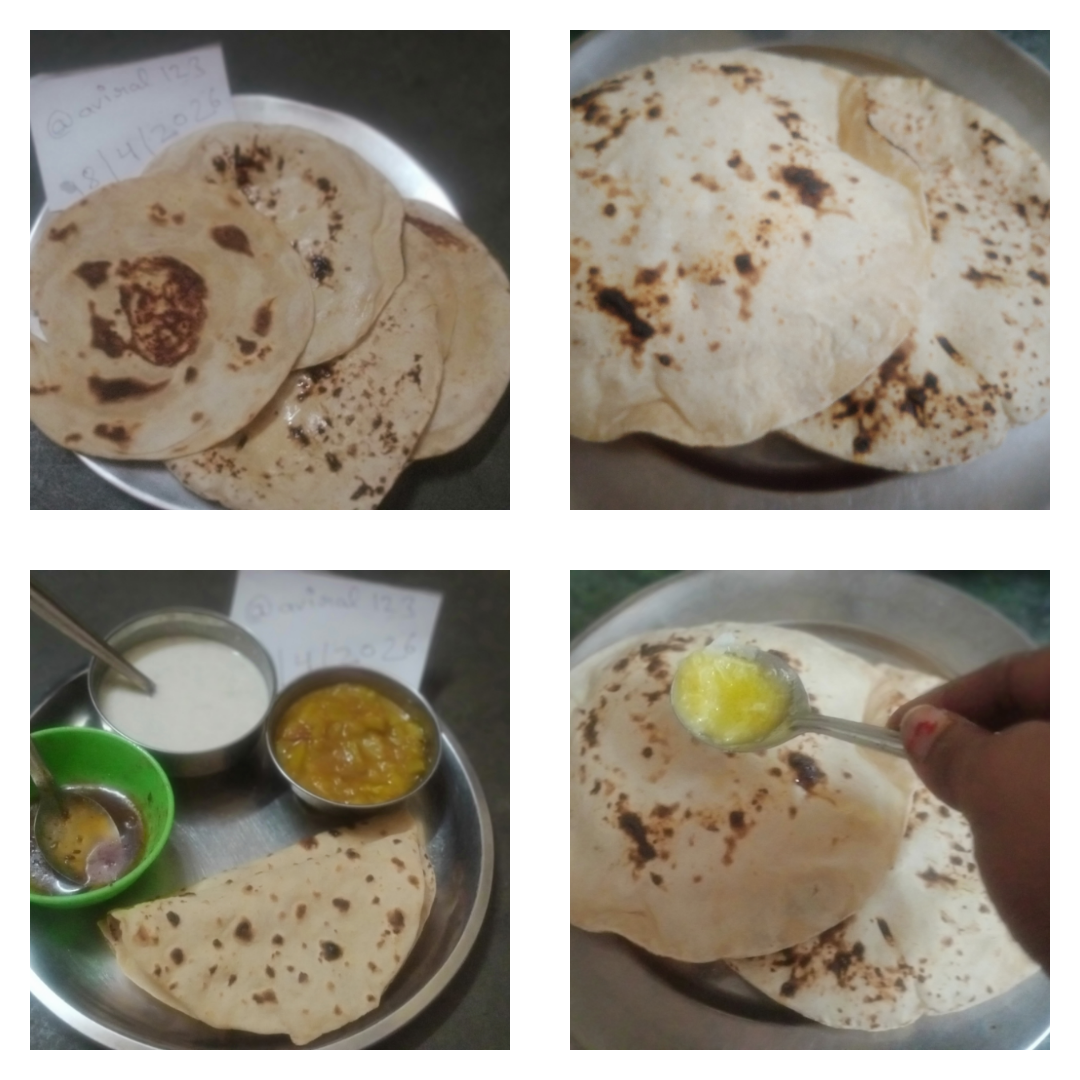
What type of bread do you make at your home. Have you tried flat bread before? |
|---|
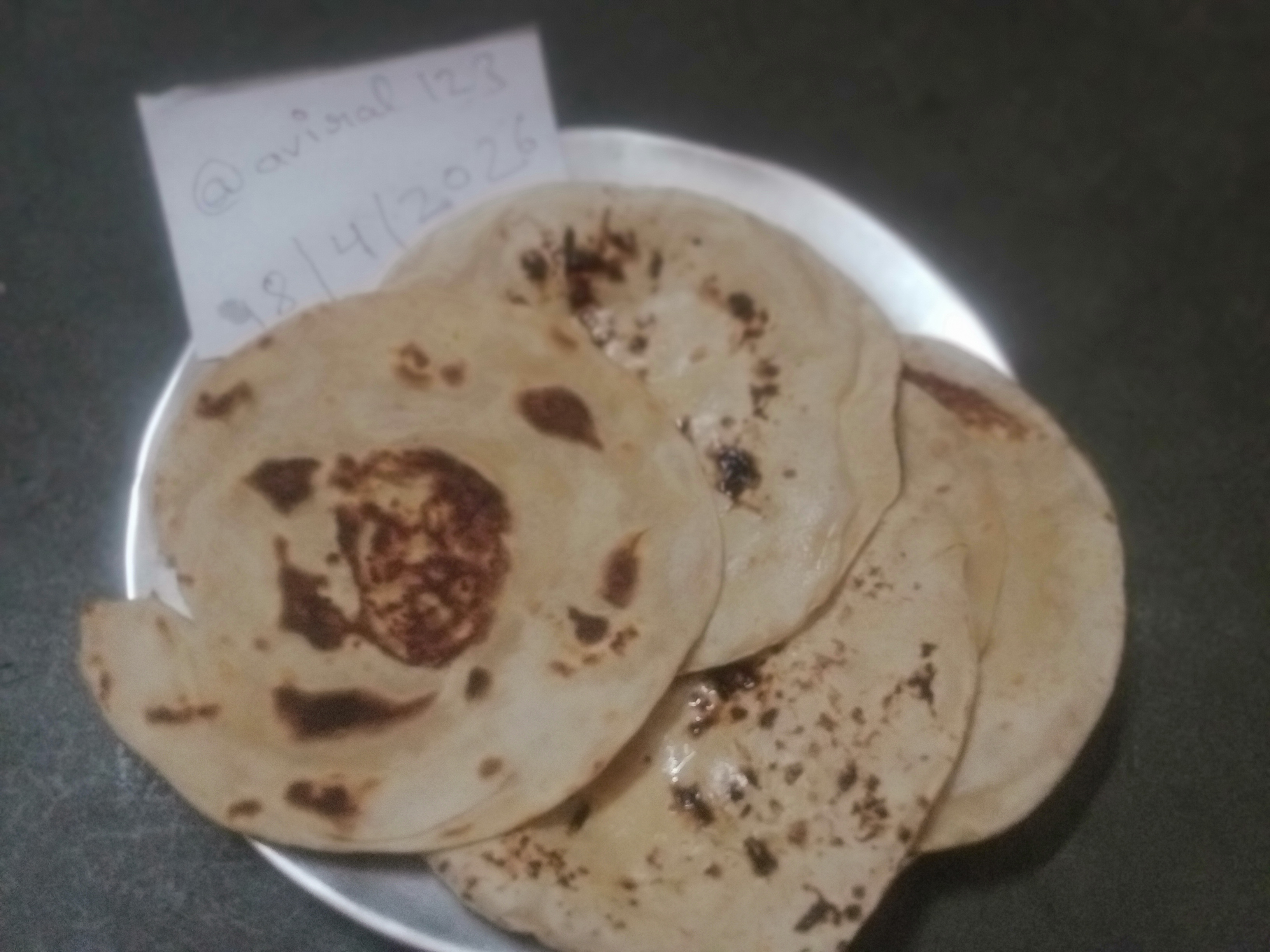
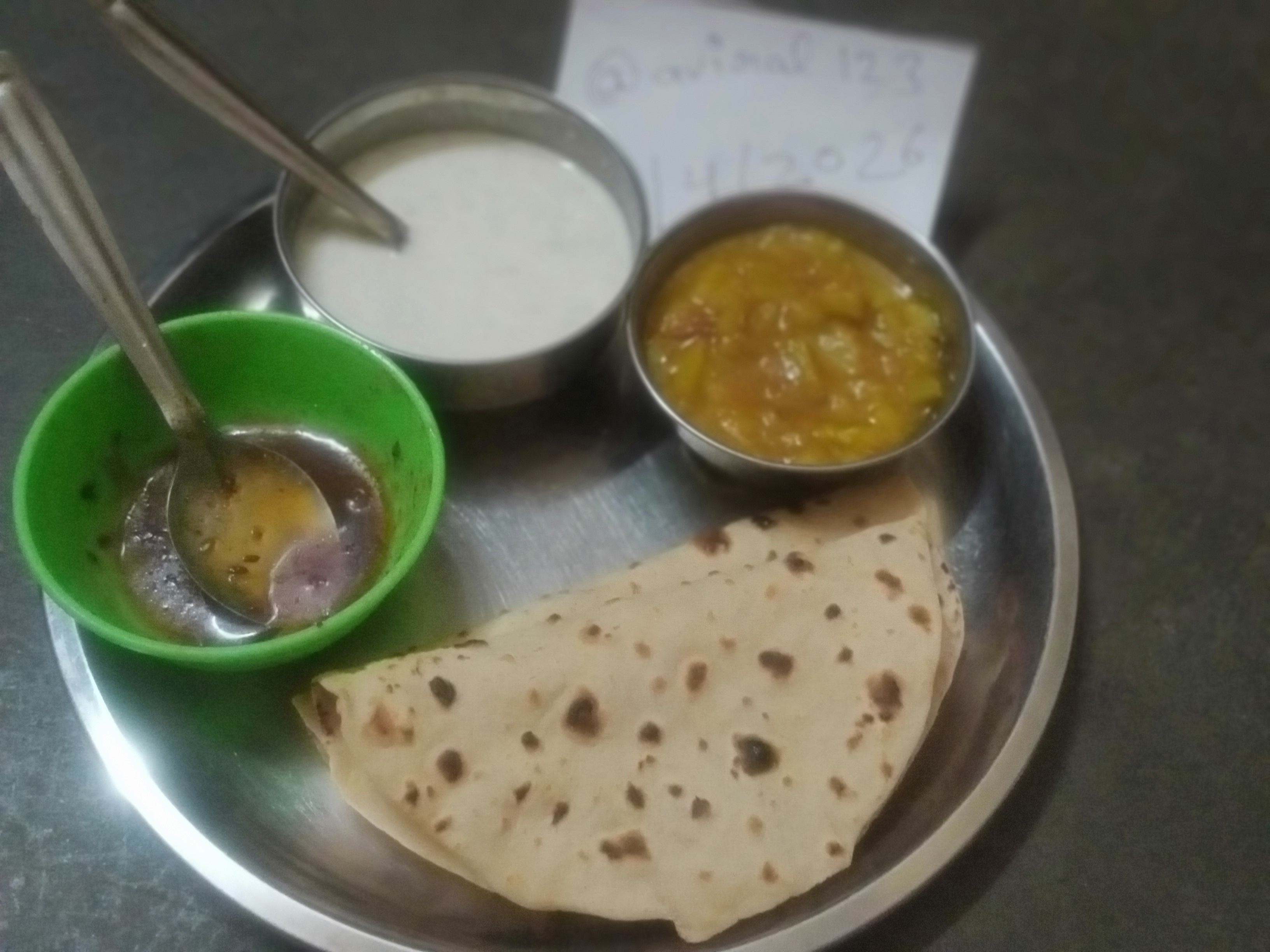
Roti is prepared in our home every day, as it forms an integral part of our daily diet. Whether we are roasting a phulka (plain flatbread) or frying a paratha, roti is an absolute certainty—and it is a highly nutritious food, given that it is made from wheat flour. A piping hot phulka, slathered with desi ghee (clarified butter) or regular butter, is typically enjoyed alongside dal (lentils); this combination creates a truly unmatched flavor. Some people prefer their rotis soft and tender, while others enjoy them crisp; whatever one's preference, the roti is prepared accordingly. In our household, plain rotis (or phulkas) are typically made during the day to be eaten with dal, whereas parathas are usually reserved for breakfast or dinner.
Indeed, roti is a daily staple in our home. We prepare it in a variety of shapes: round, triangular, layered, and square (parathas). Whatever one happens to be in the mood for—be it a simple roti or a paratha—is prepared to order, as each has its own distinct flavor. Rotis are also excellent for one's health, as they are prepared without the use of oil; only a dollop of desi ghee is added, and that too is applied on top just before serving.

Make any flat bread (roti/paratha/tortilla)that you like with a detailed step-by-step procedure along with images |
|---|
Regardless of the specific type of flatbread being prepared, the dough (aata) is always kneaded using the same fundamental method. The ingredients required to make these rotis are as follows:
Wheat flour
Salt
Oil
Desi Ghee (Clarified Butter)
Water
Method
 |  |
|---|
 |  |
|---|
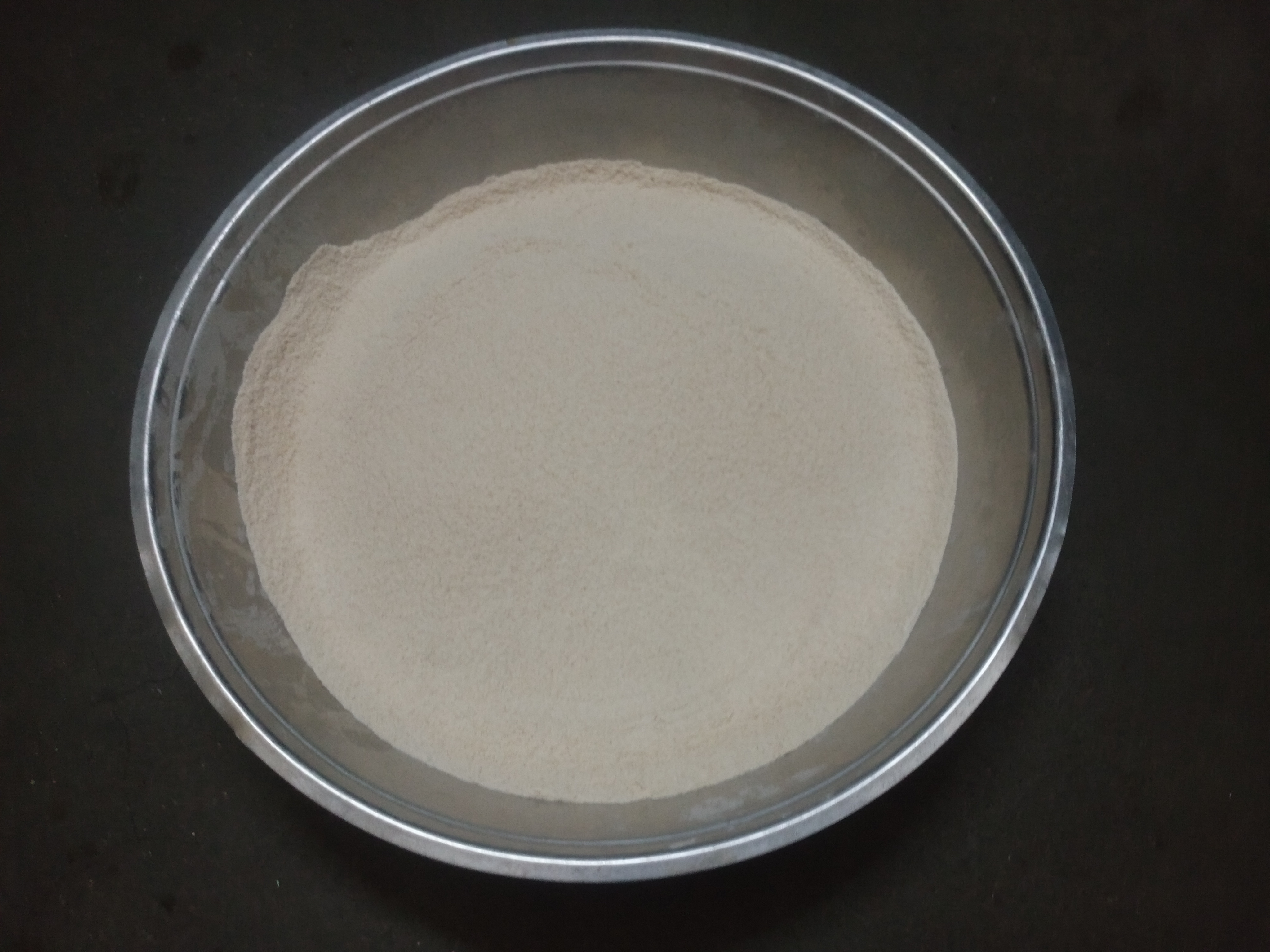
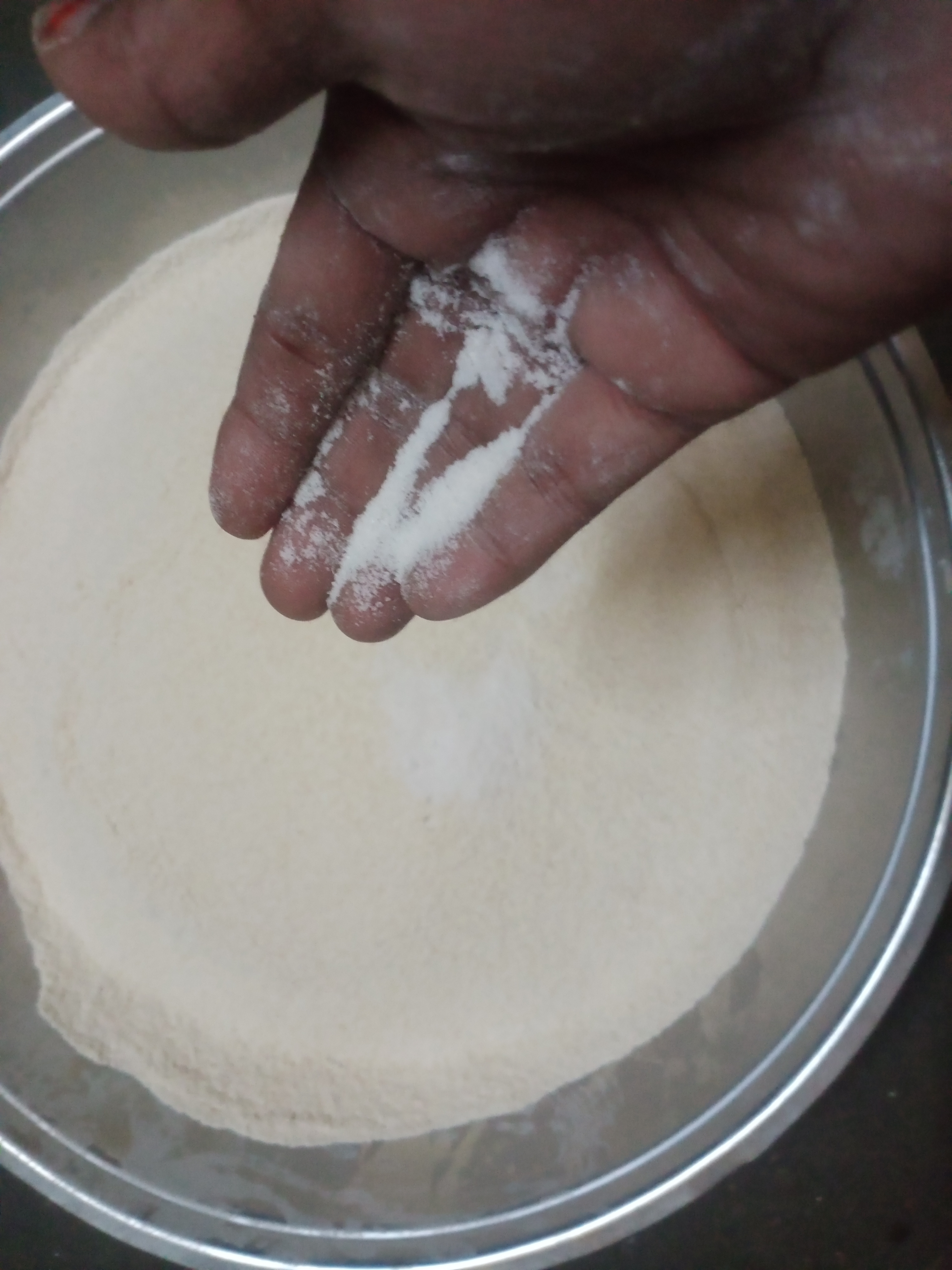
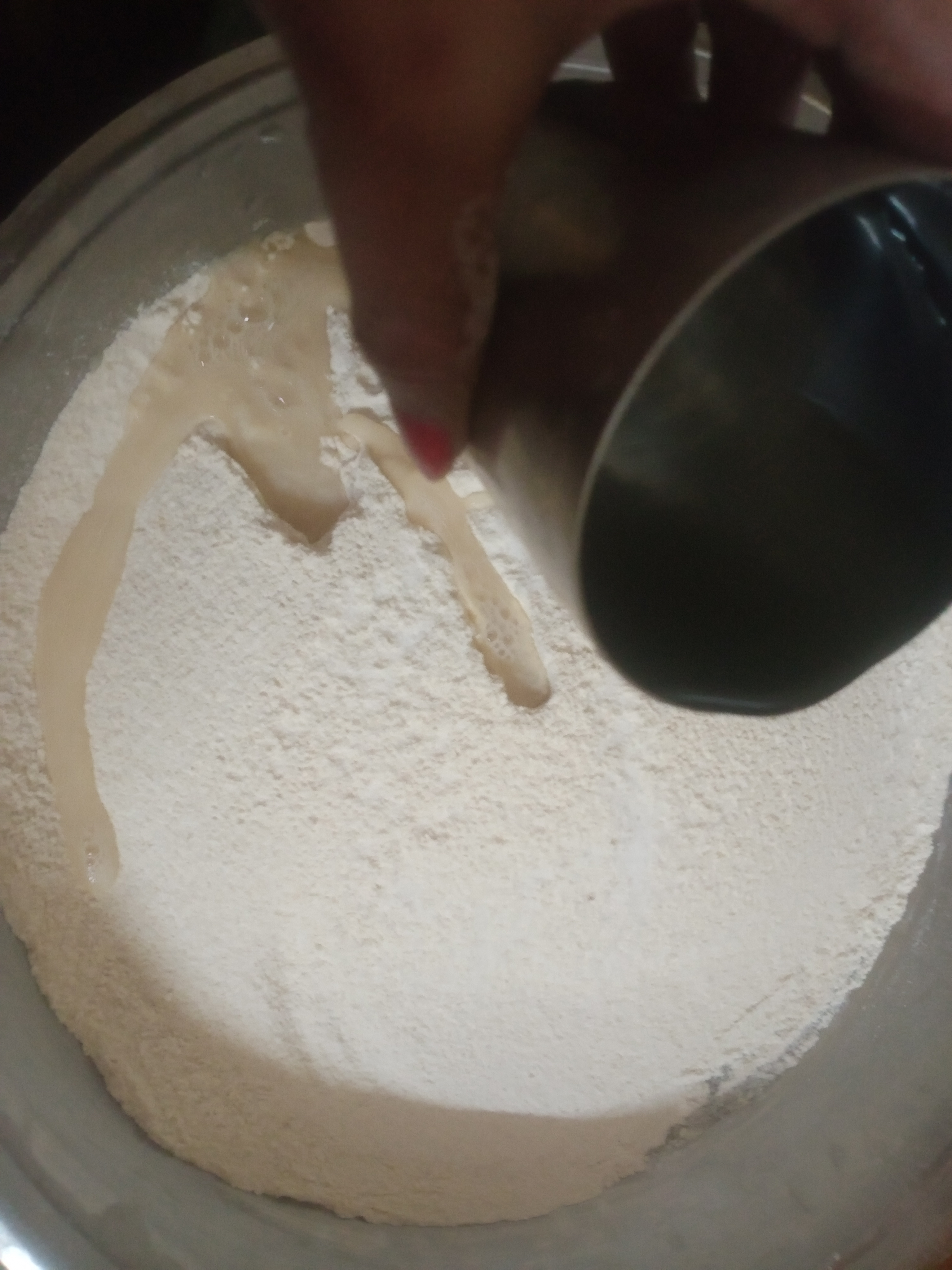
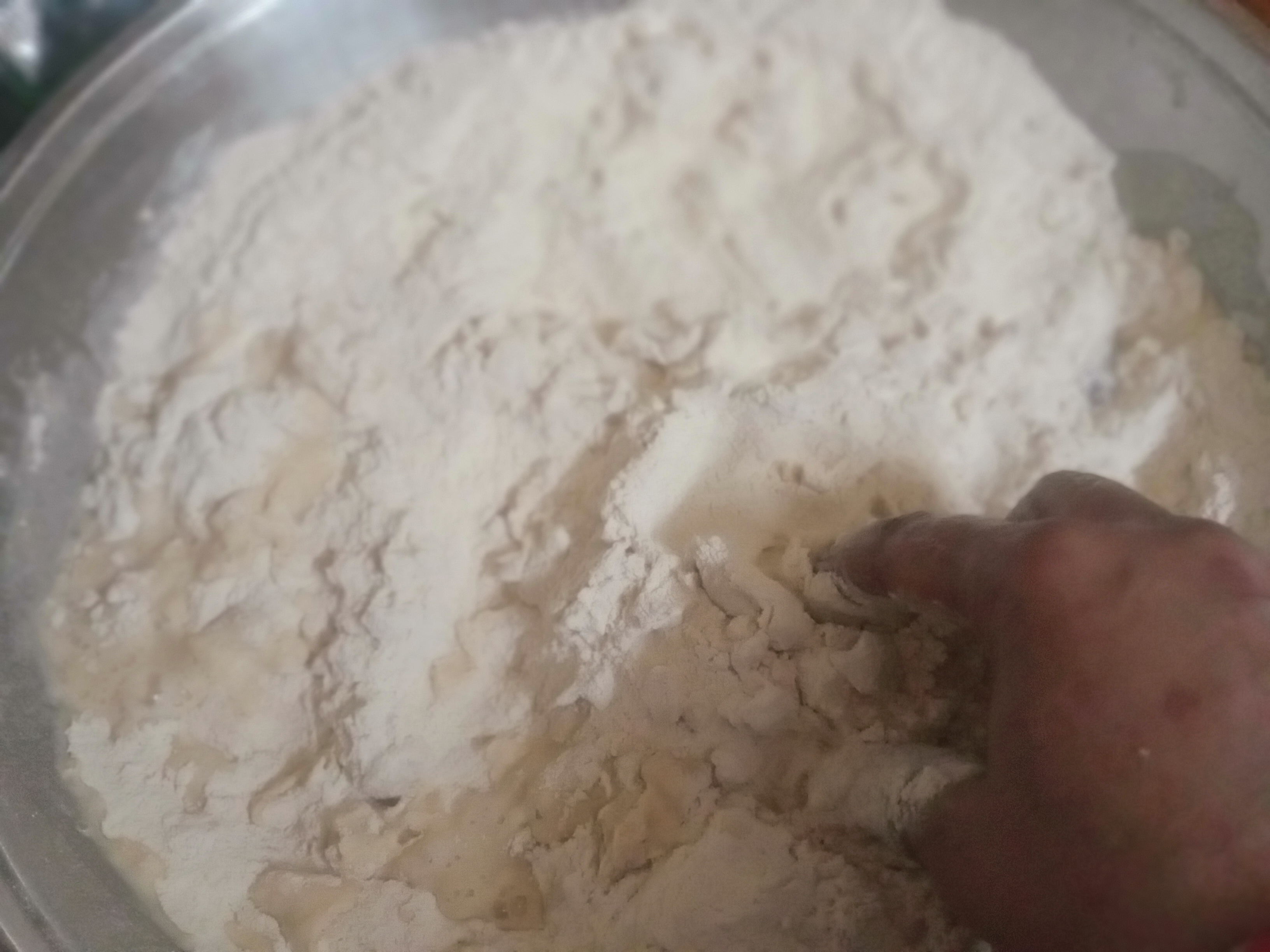
- First, take the wheat flour in a plate or mixing bowl. Add salt to taste, and then, while adding water gradually in small increments, begin kneading to prepare the dough.
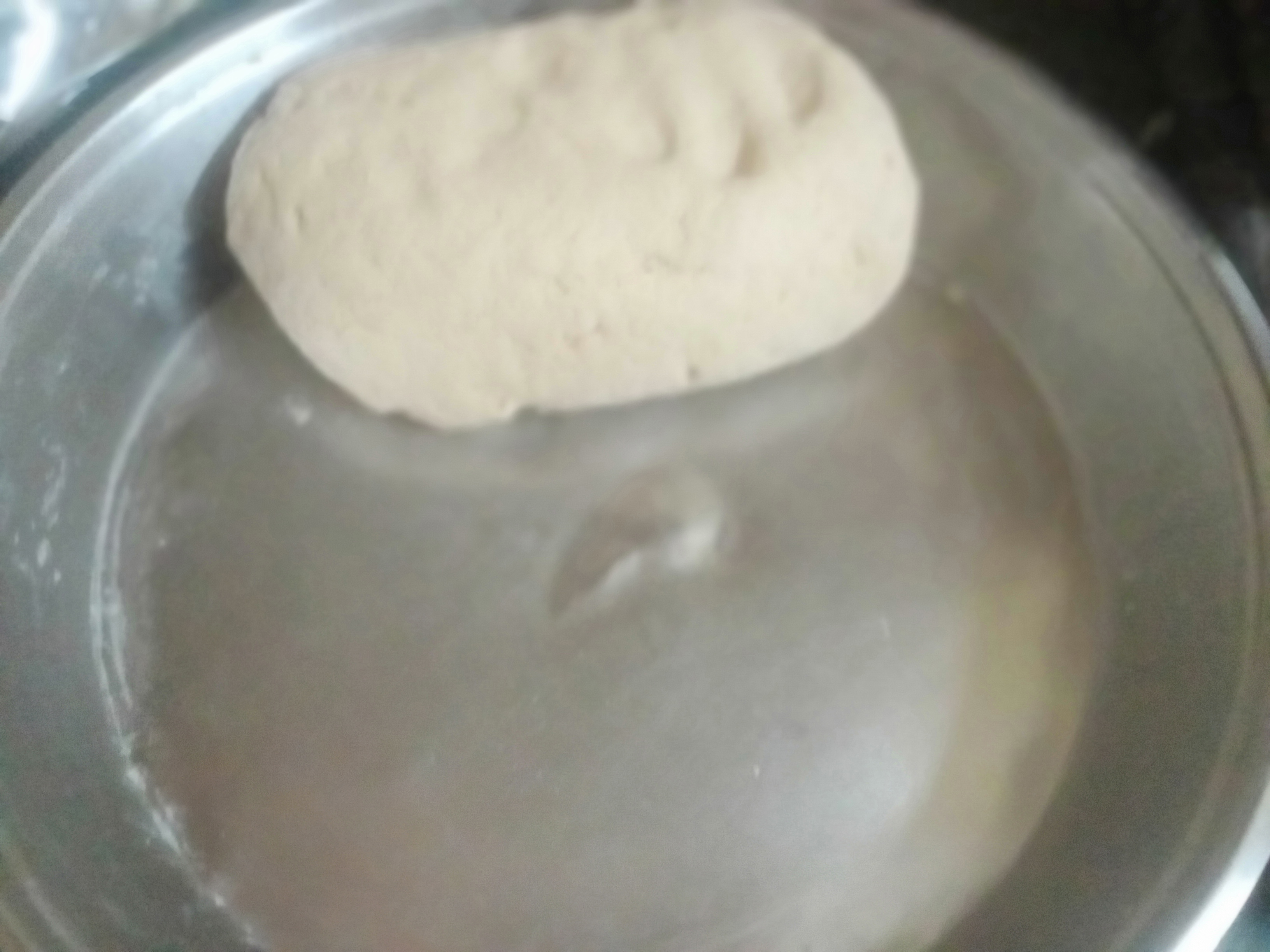
- To make rotis or parathas, we aim for a dough consistency that is neither too soft nor too stiff; instead, we prepare a medium-consistency dough, which ensures that our rotis turn out soft and tender.
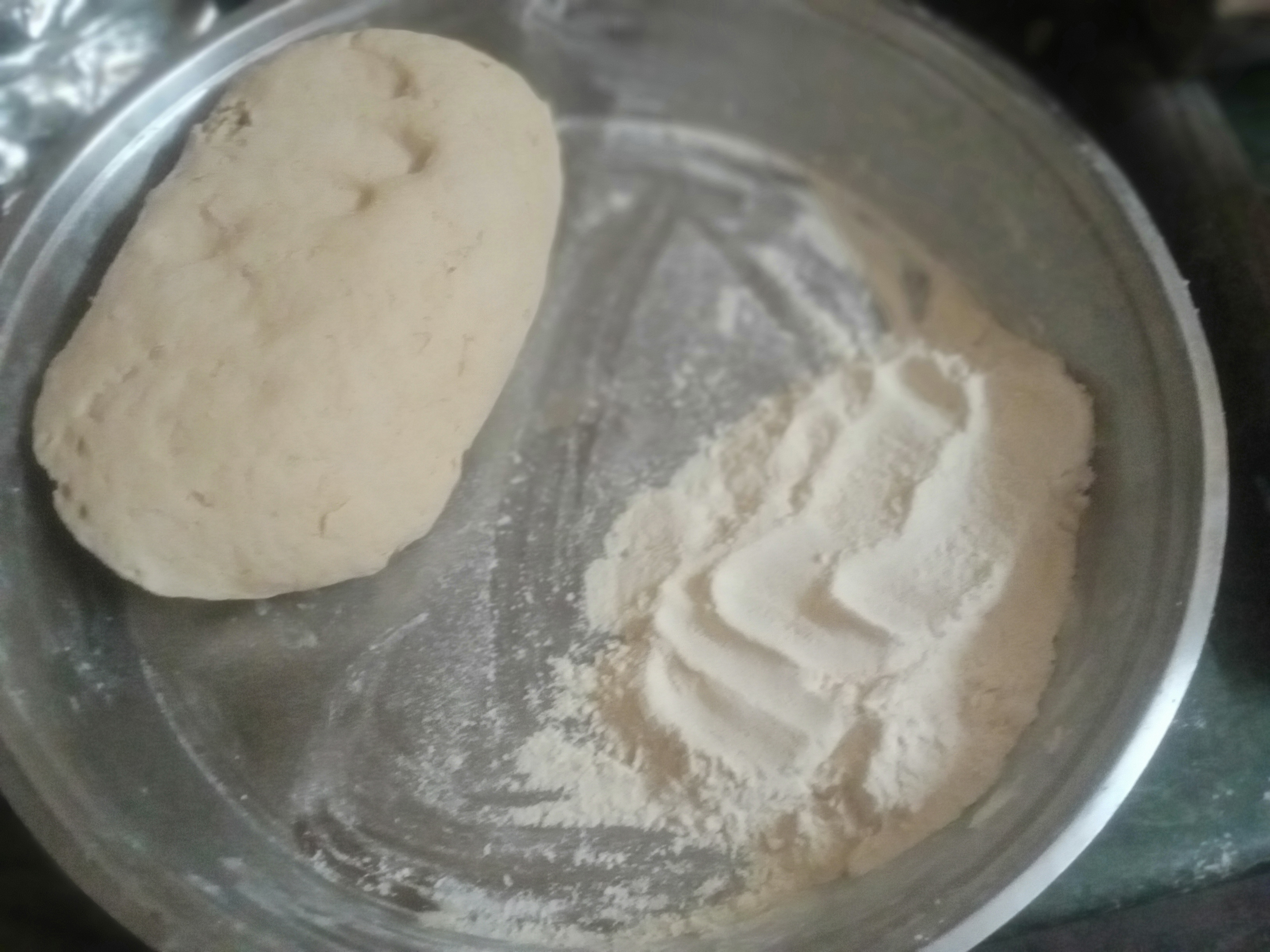
- Once the dough is ready, cover it and let it rest for 20 to 25 minutes; this allows the dough to soften and become perfectly pliable.
 |  |
|---|
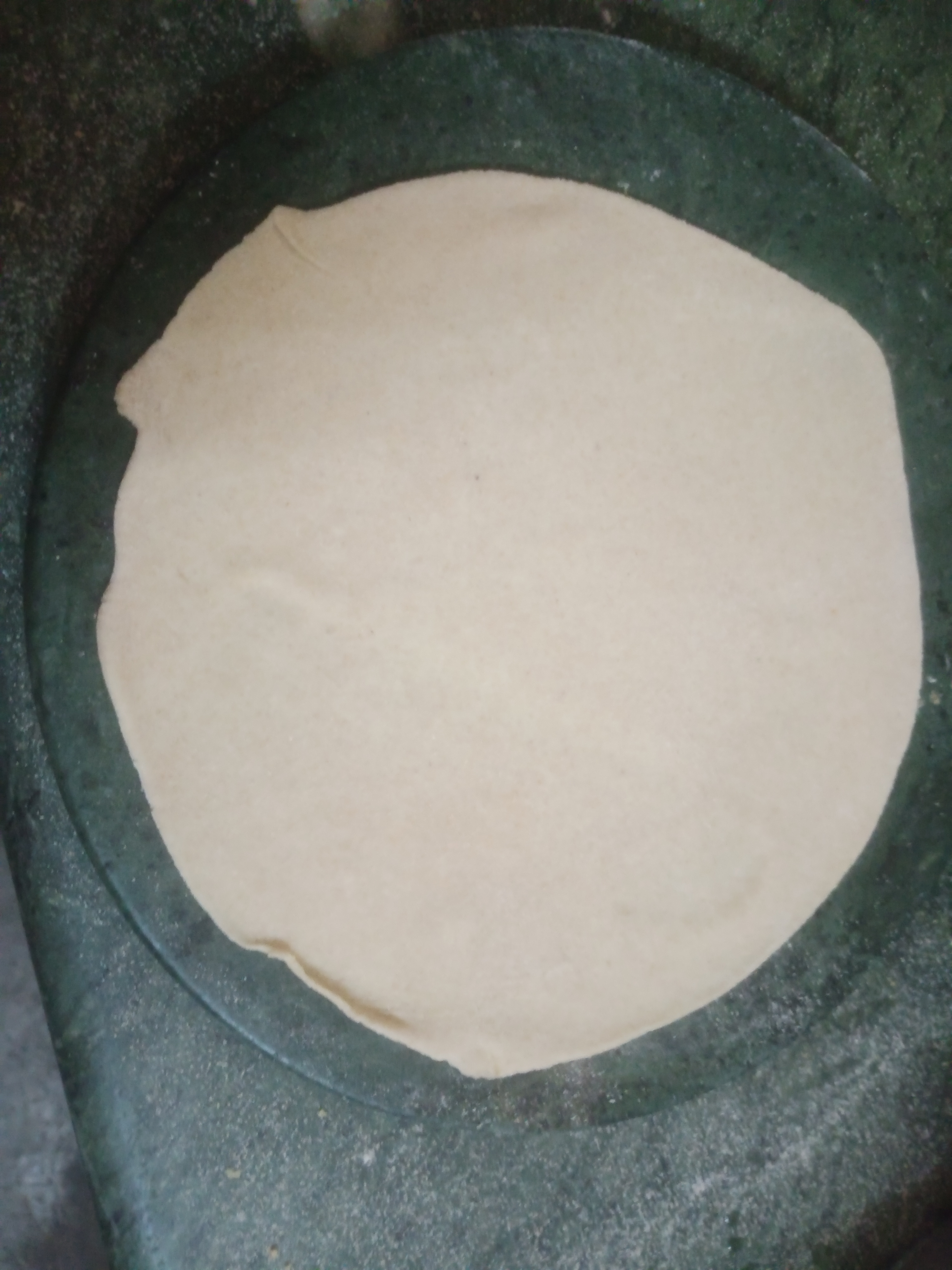
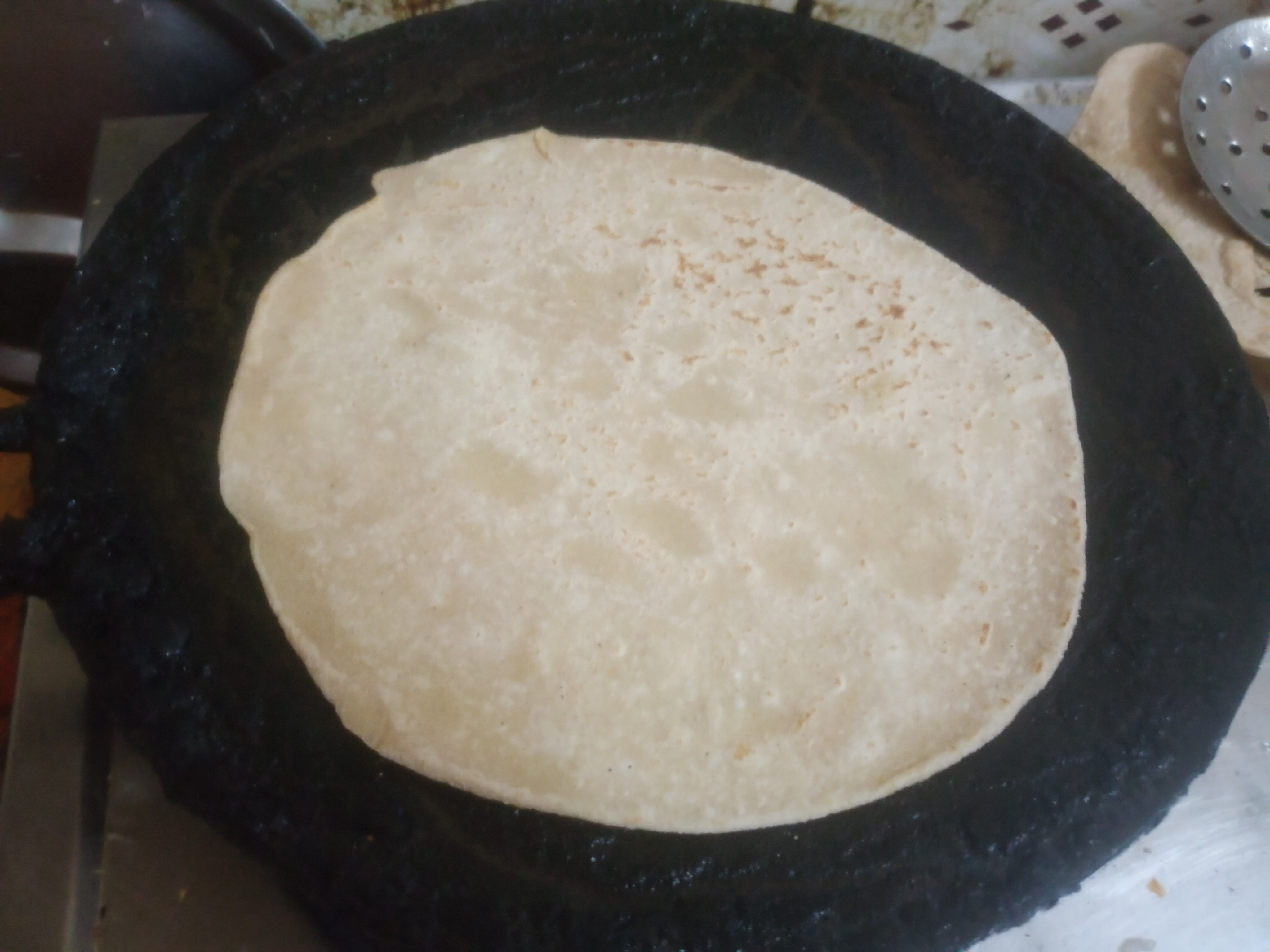
- Place a tava (griddle) on the stove to heat up, and keep a small amount of dry wheat flour (aata) handy. This dry flour is essential because, as we roll out the roti, it prevents the dough from sticking and allows it to expand properly. If we do not use dry flour while rolling, the dough will stick to the rolling pin, and our roti will not turn out round.
 |  |
|---|
- We will form small balls (loiyas) from the dough, adjusting their size according to how thick or thin we wish to make the rotis. Then, we will roll out the roti and place it on the griddle (tava).
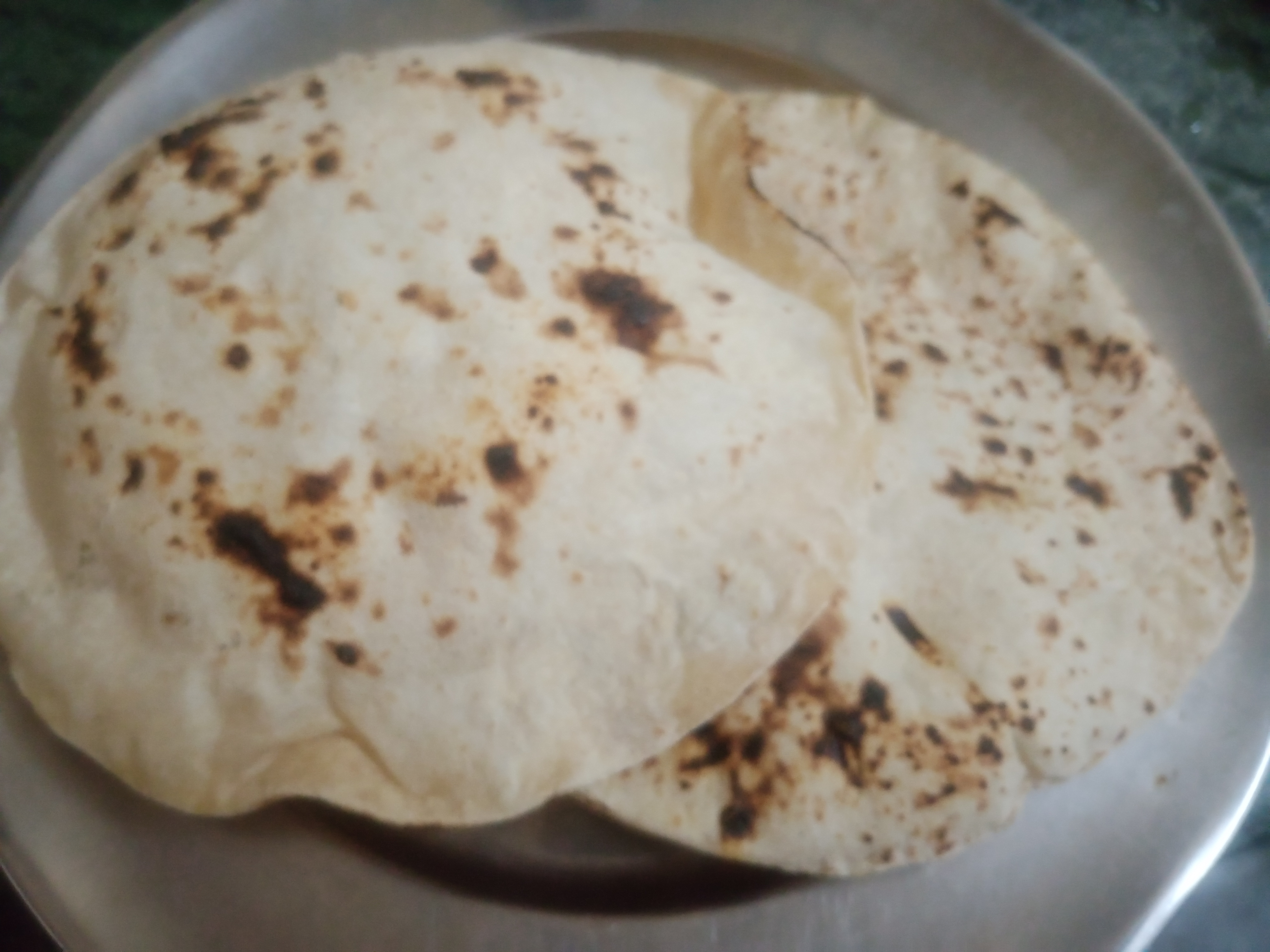 | Roti (Fulka) |
|---|
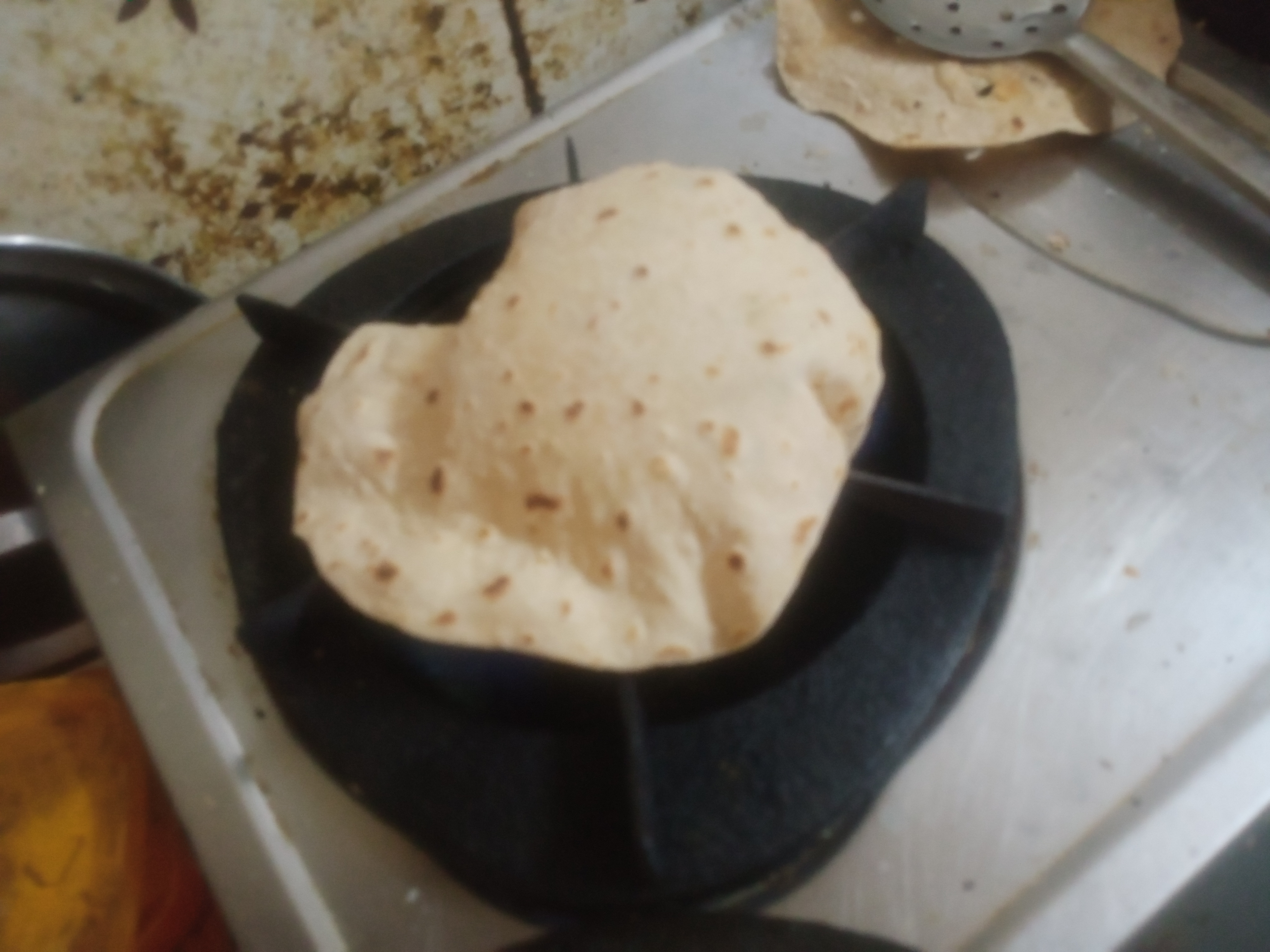
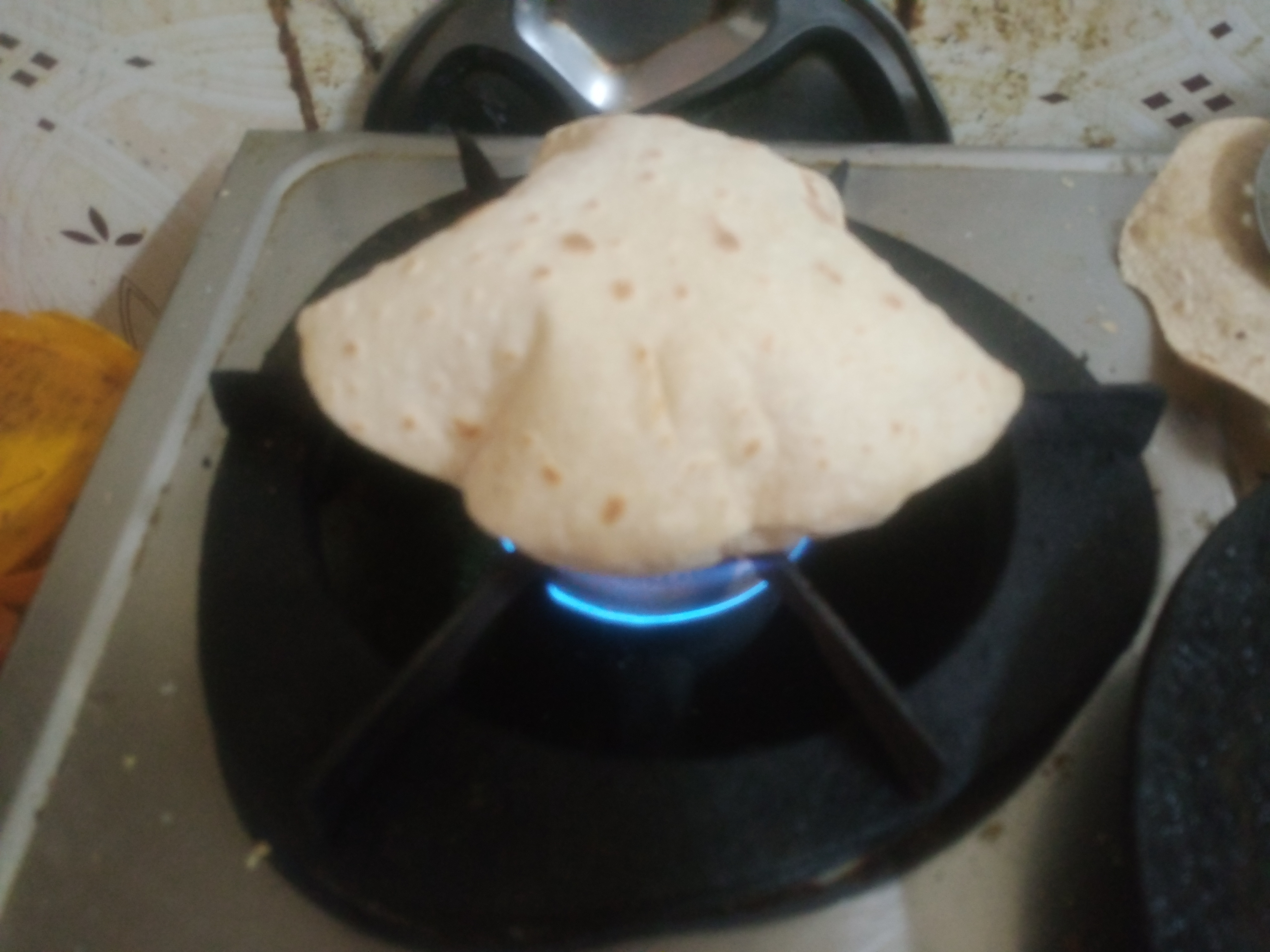
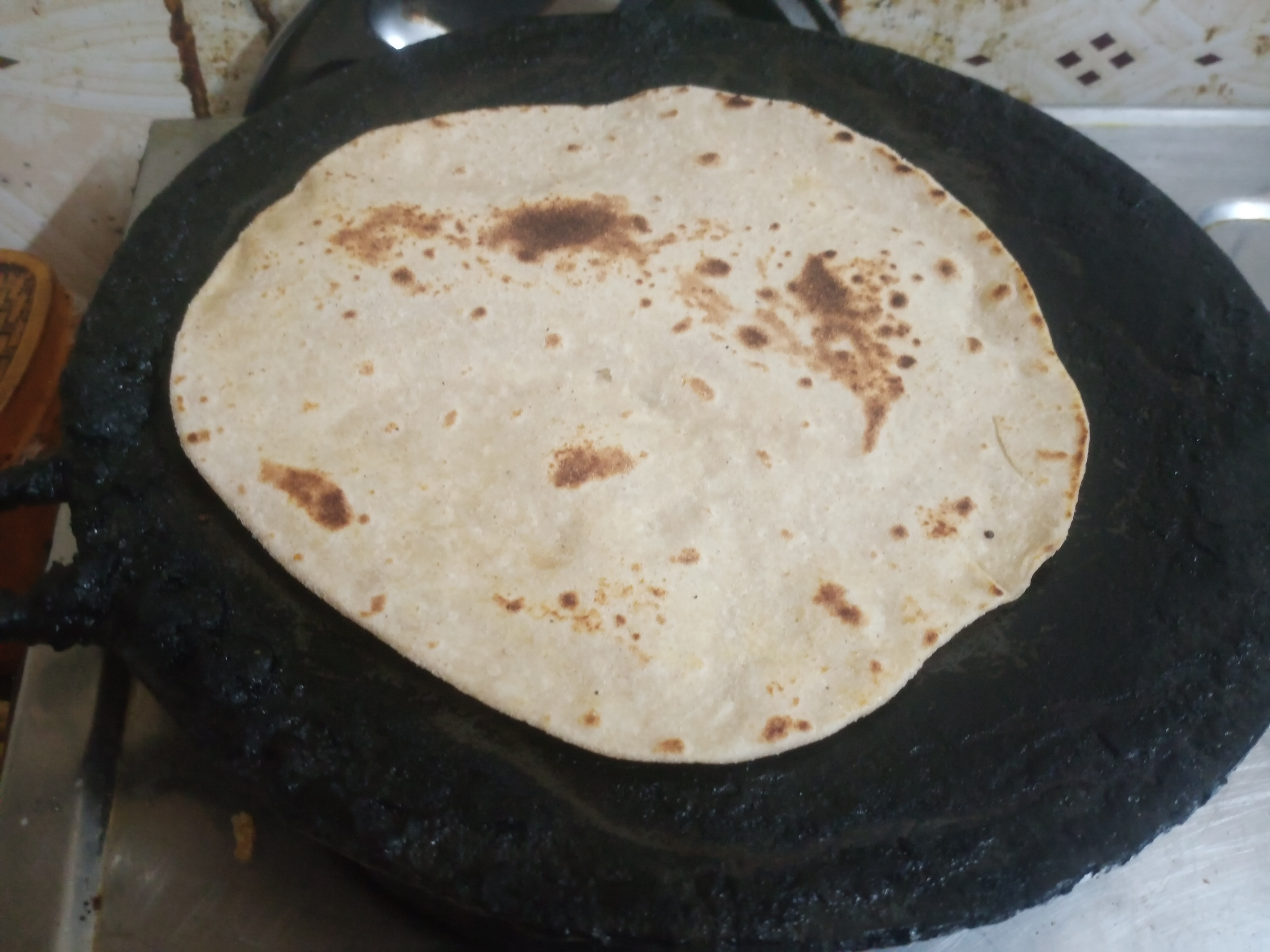
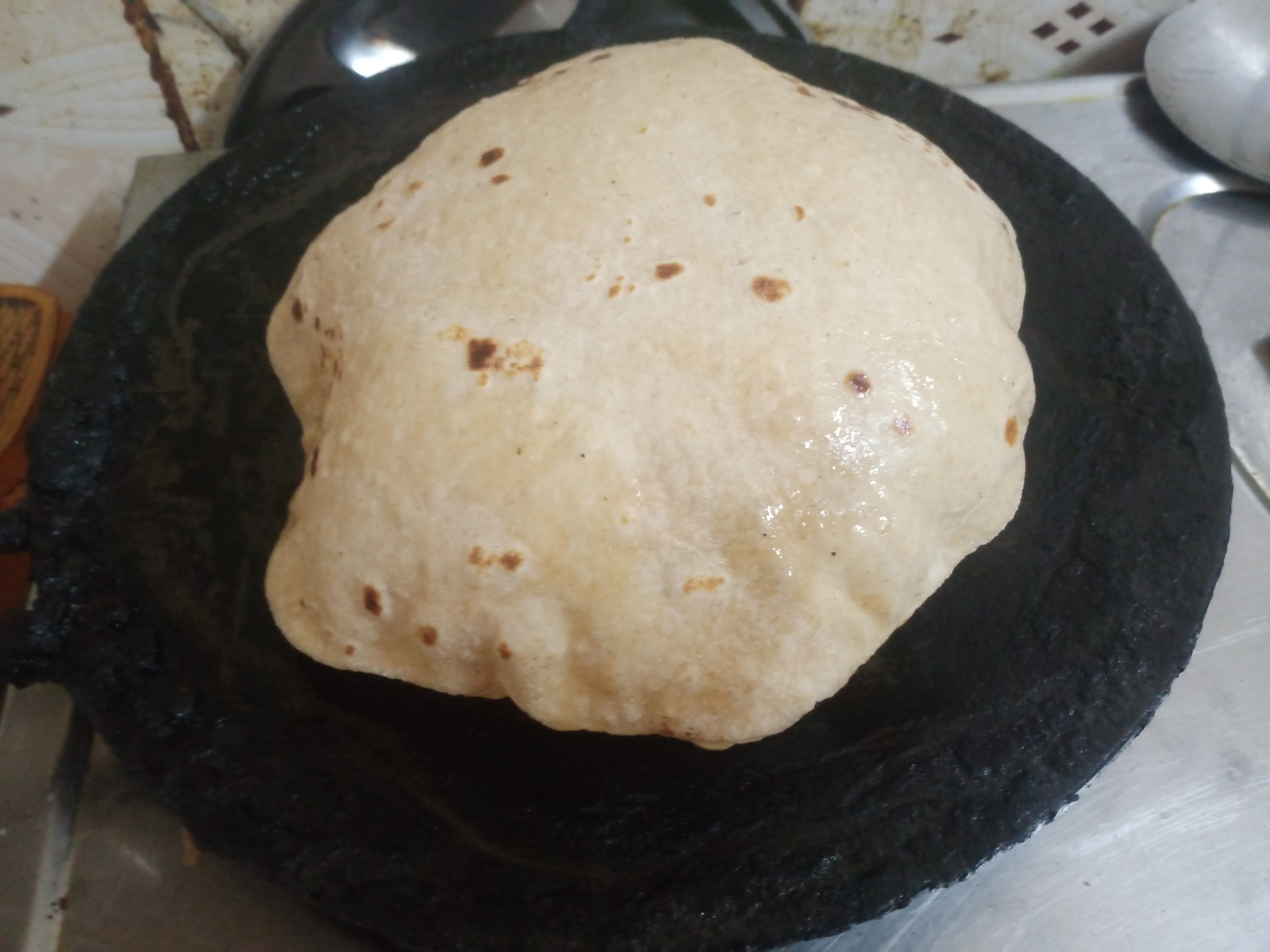
- If we wish to make a phulka (puffed roti), we will lightly cook it on both sides on the griddle; then, removing it from the griddle, we will hold it with a pair of tongs and roast it directly over the open flame of the gas stove.
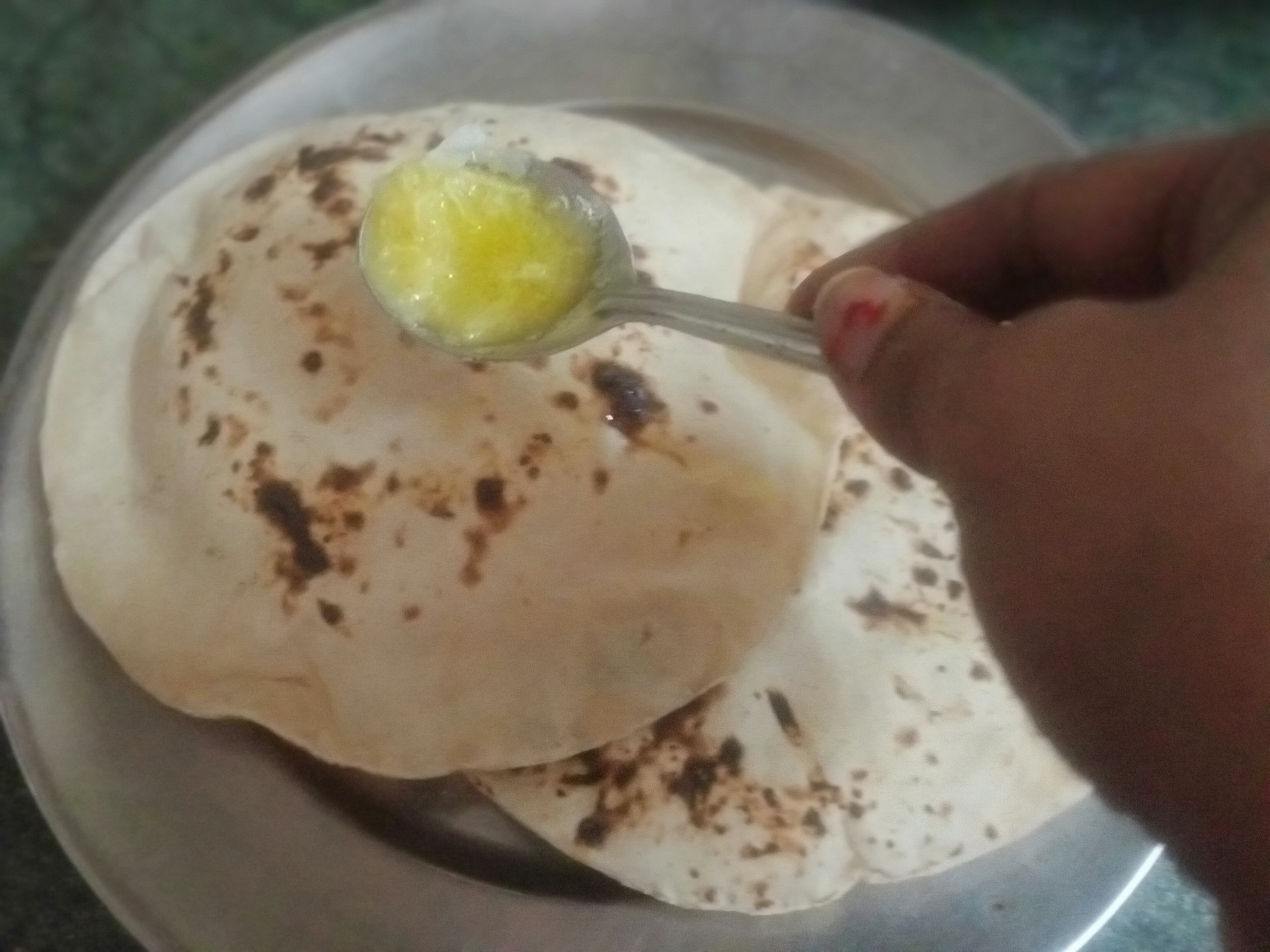 | apply to deshi ghee |
|---|
- Once it is cooked on both sides, we will apply some Desi Ghee (clarified butter) to it and serve.
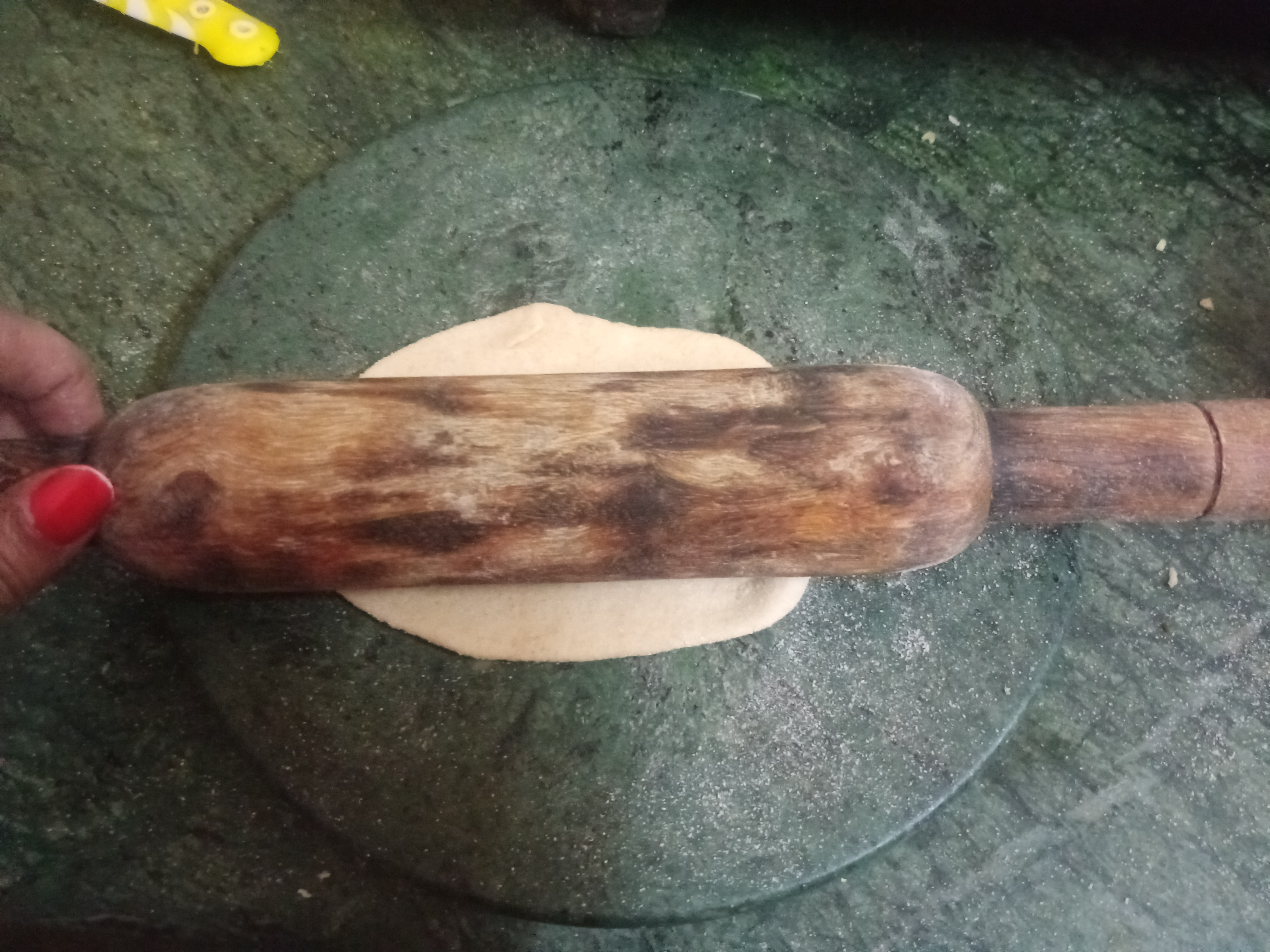 | 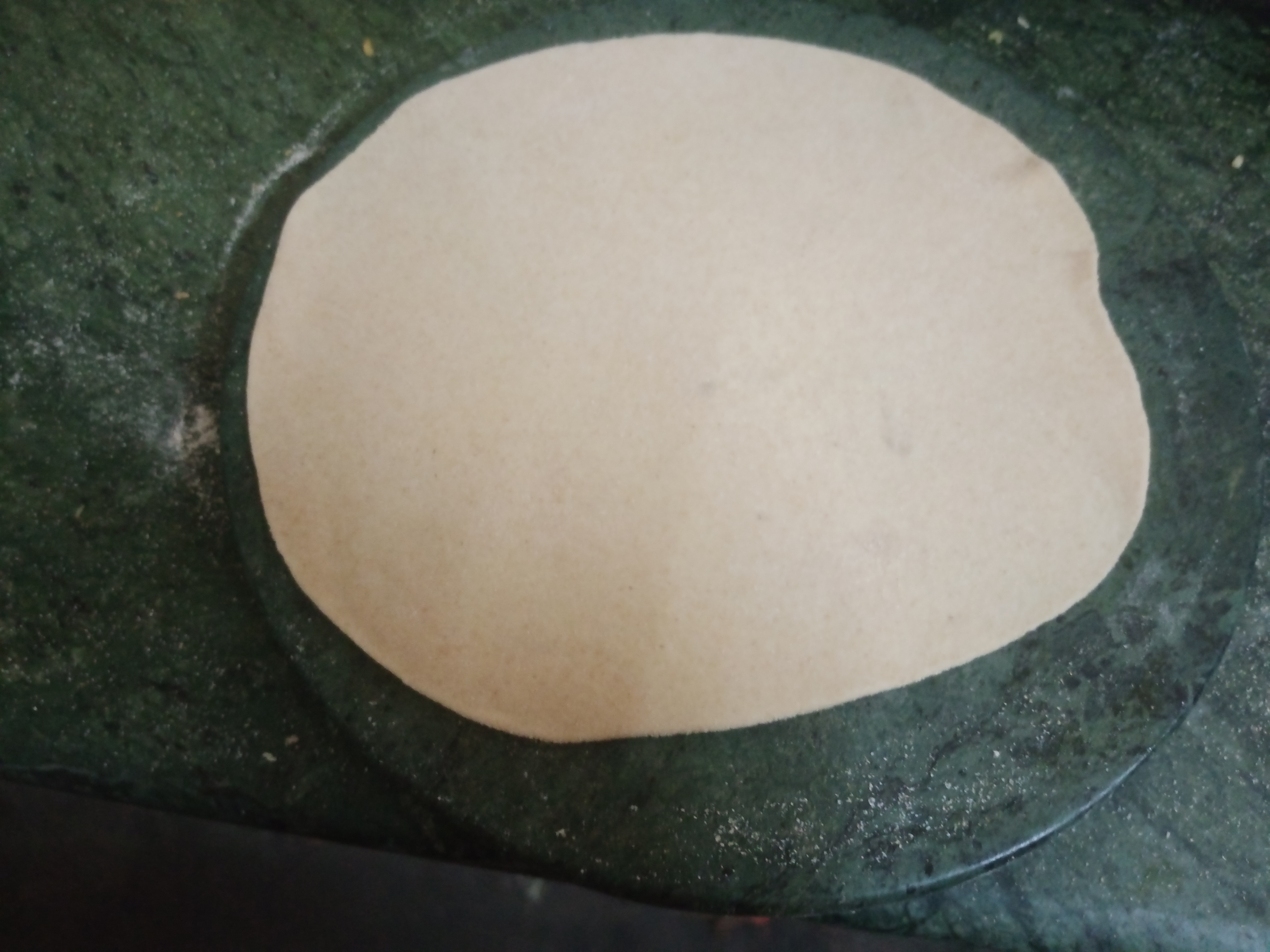 |
|---|
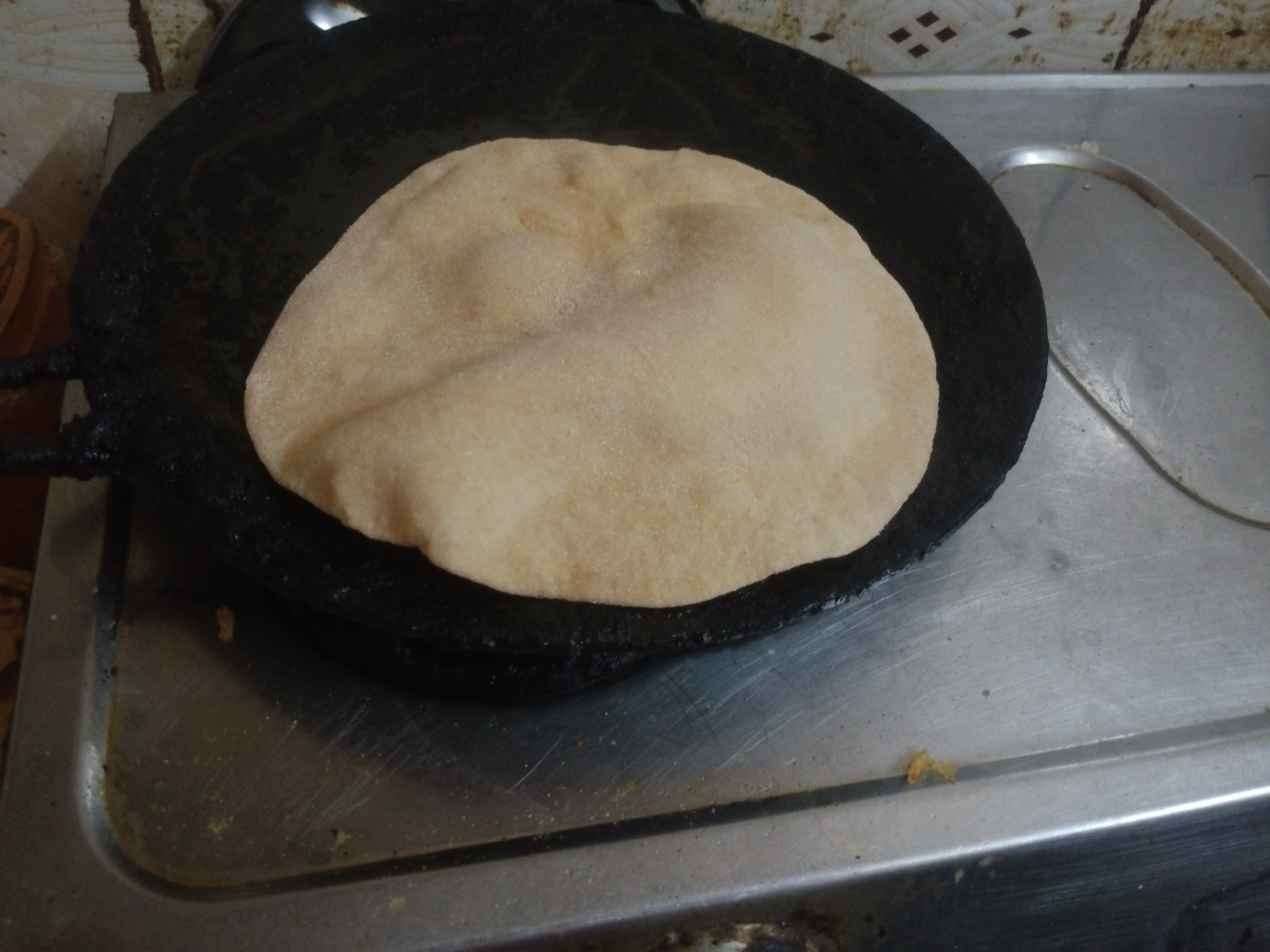 |  |
|---|
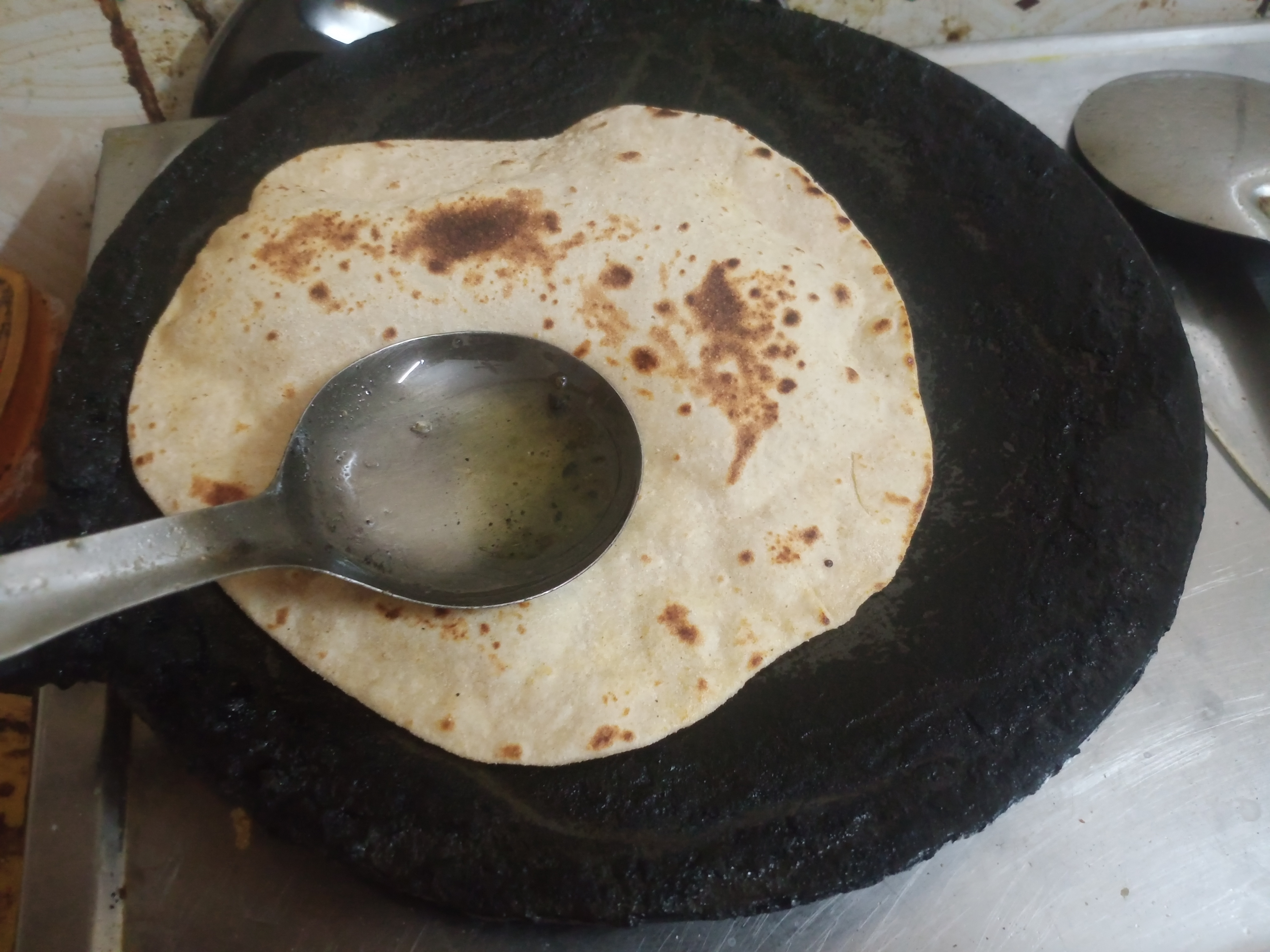
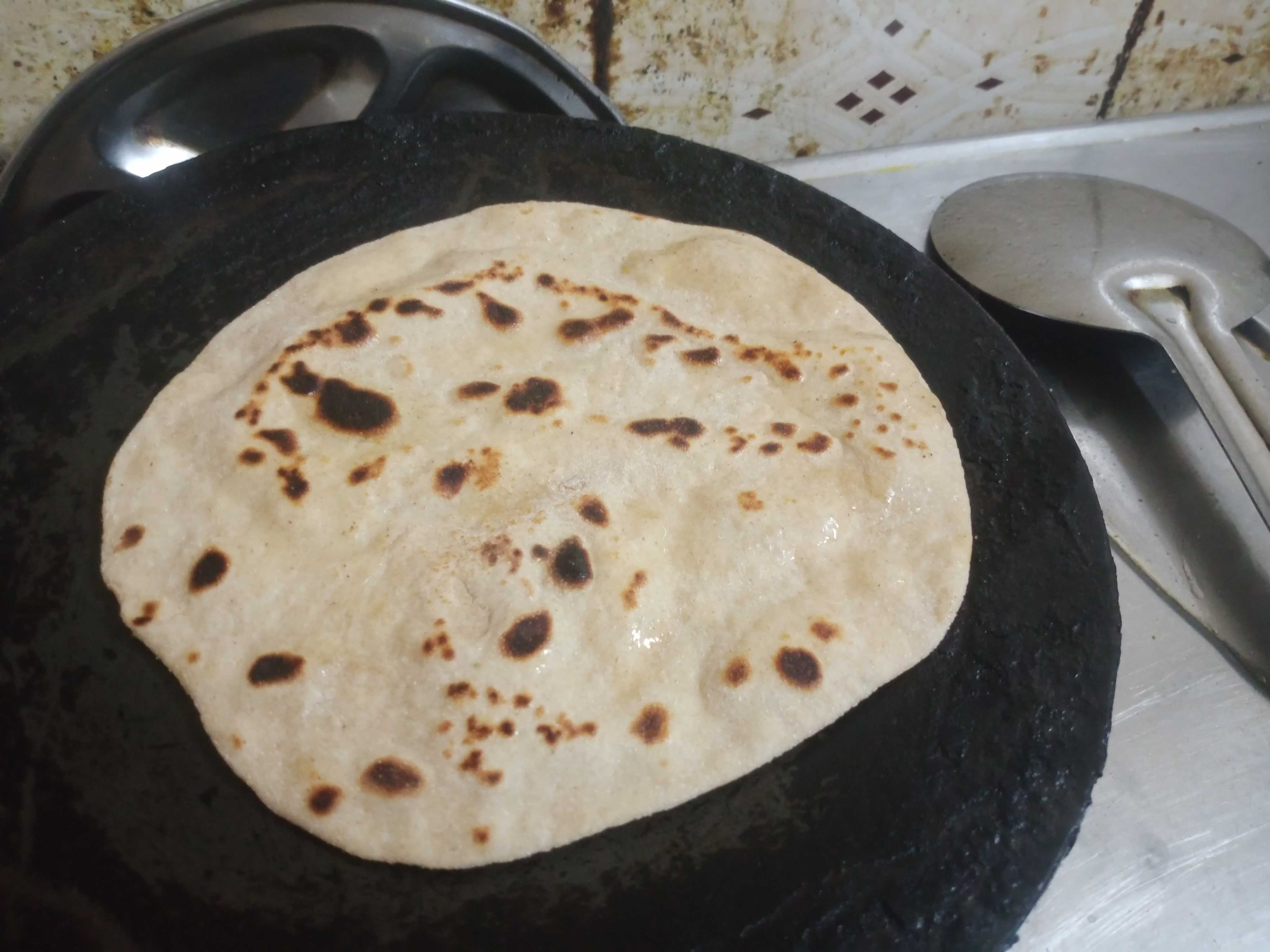
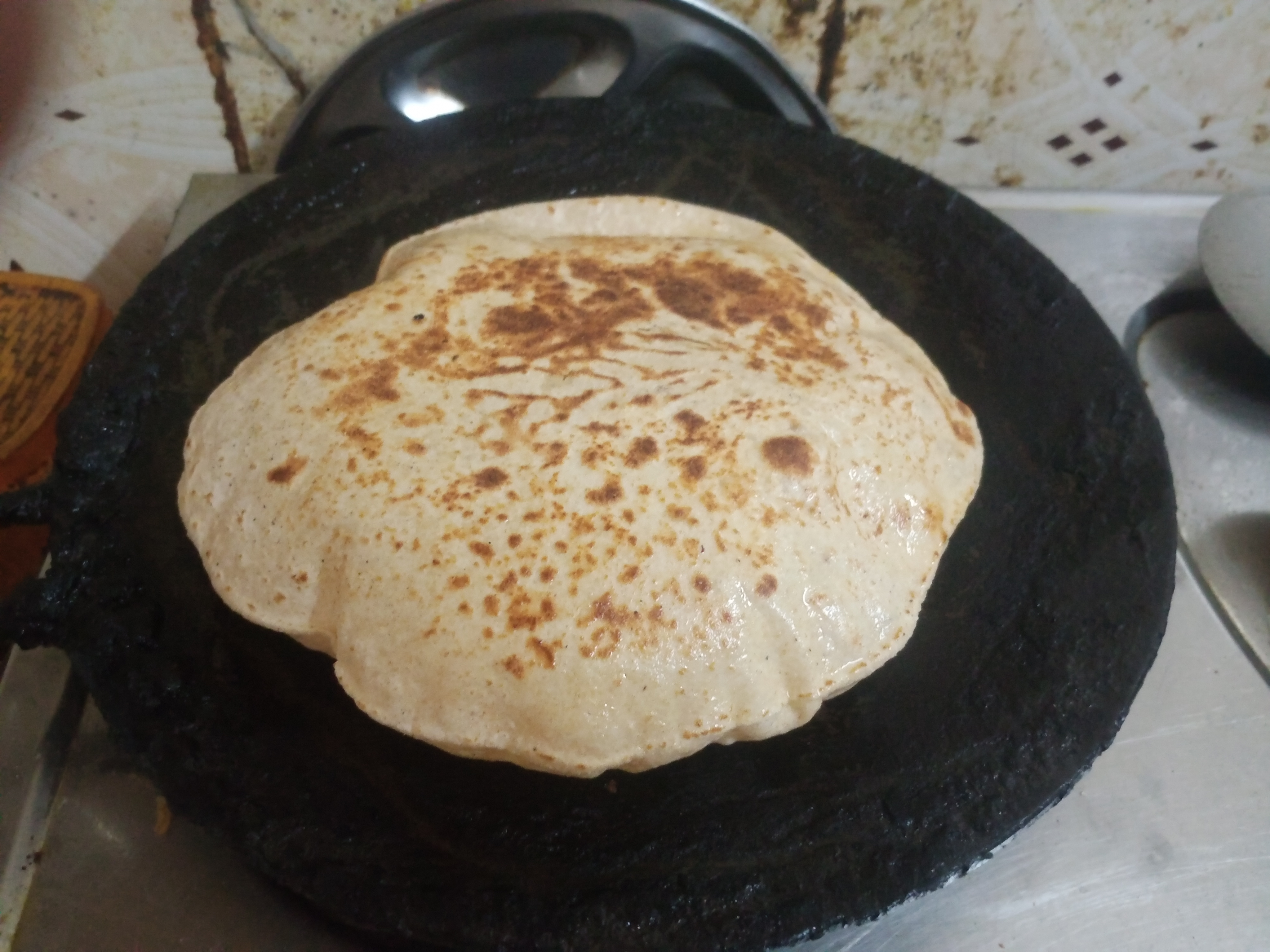
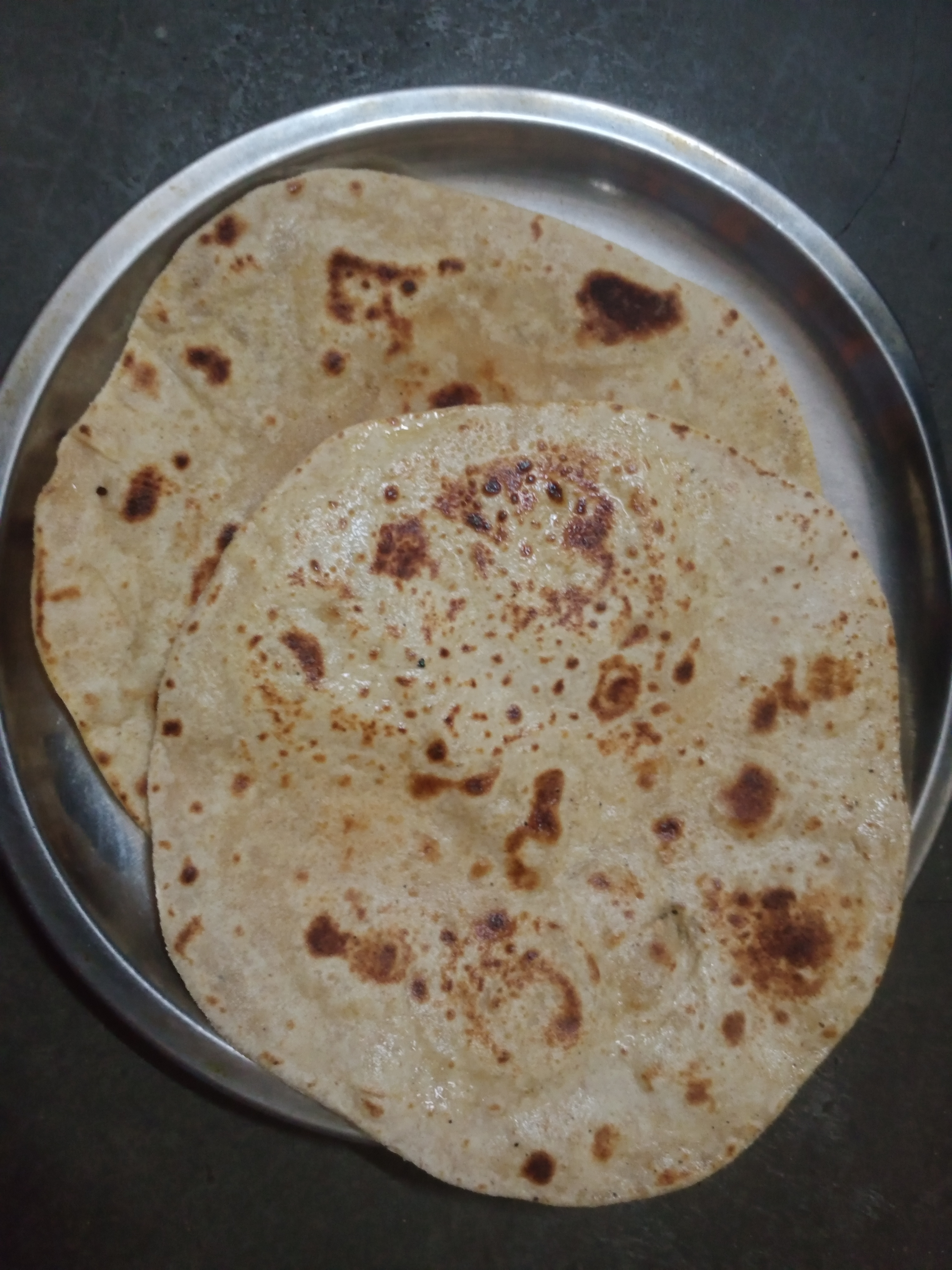
- Similarly, to make a paratha, we take a ball of dough, roll it out slightly, place about half a teaspoon of oil in the center, and then fold and seal the edges back together. We then roll it out again using the rolling pin.
 |  |
|---|
 |  |
|---|
 | Paratha |
|---|
*We place it on the griddle, and once it begins to cook on both sides, we apply oil to both surfaces and cook it until it turns a golden-brown color.
 |  |
|---|
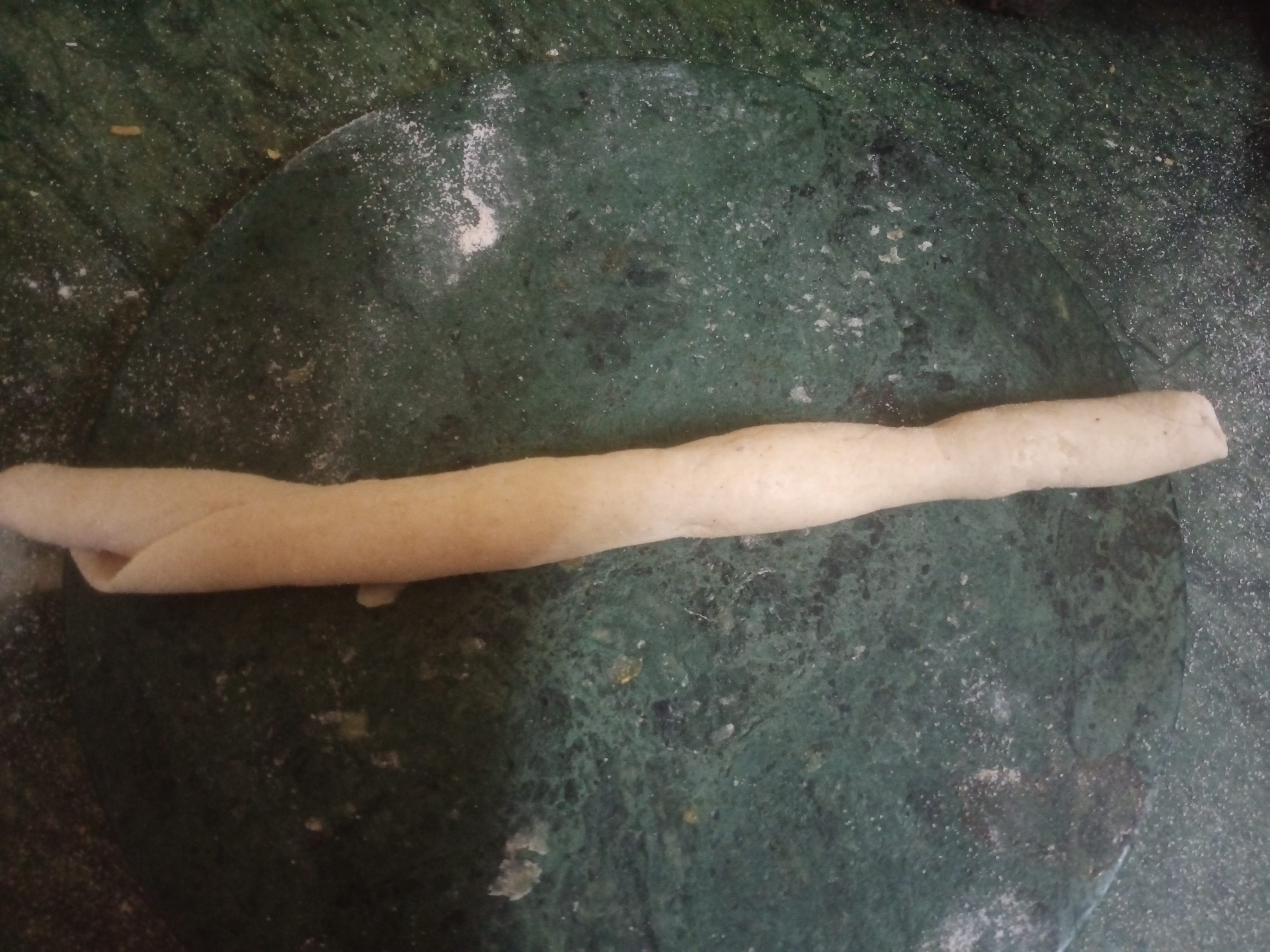
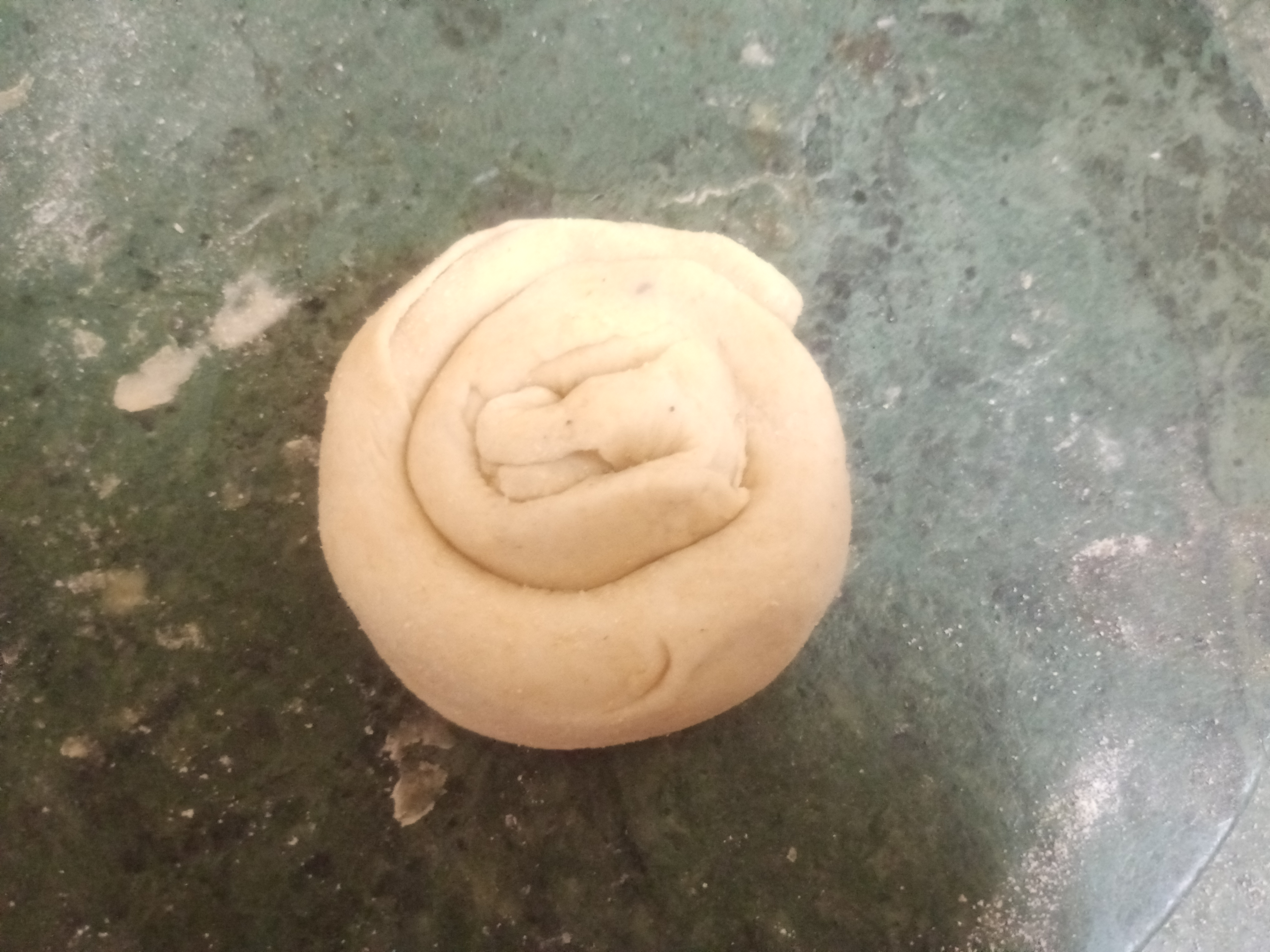
- Likewise, to make a layered paratha, we take a ball of dough and roll it into a long, rope-like strip. We then coil this strip into a round spiral shape—applying a little oil at the center and the starting point—and after coiling it, we roll it out flat and place it on the griddle. We then cook it on both sides, applying oil as before; this method results in a crispy paratha.
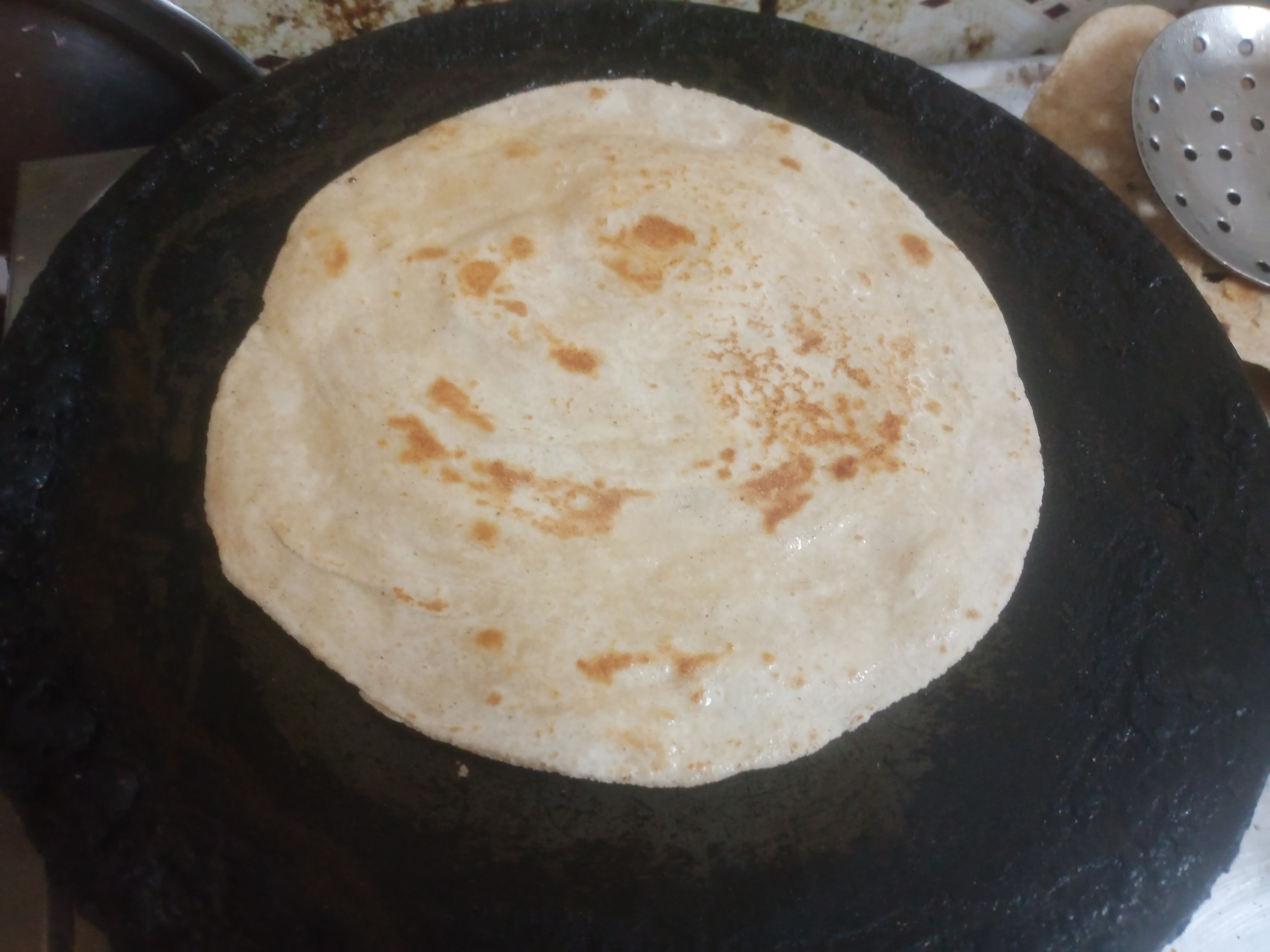 | Layerd Paratha |
|---|
- In this way, I have explained to you the methods for preparing phulkas, parathas, and layered parathas.
List the prices of the ingredients you buy for making the bread. (prices in your local currency and in STEEM |
|---|
The ingredients required to make rotis, along with their prices—listed in both Steam currency and our local currency—are as follows:
| Ingredients | Indian rupees | Steem |
|---|---|---|
| Flour (Atta): 1 kg | 36 | 7.5 |
| Salt | 30 | 6 |
| Refined Oil | 150 | 30 |
| Desi Ghee | 70 | 14 |
| Total Cost | 286 | 57.5 |
I want to invite my friends to take part in this contest: , @adeljose , @memamun , @sduttaskitchen"
Thankyou 🙏
Hi @aviral123
Thank you very much for your participation in SLS31W1-Bread Making. Through this course, you will be able to learn some amazing bread recipes with simple technique that can improve your skills in recipes.
I really enjoyed your participation in week#1. You presented the bread beautifully. Here are suggestions and grading on your participation
Flat bread is the simplest form of bread and its commonly used globally. In my cuisine flat bread is made at home .
you made bread in a very good way ,you presented, roti and paratha in your post very well. All steps with respective images are give in your post.
You mentioned the prices of all ingredients in your local currency and steem as well.
Your participation is good with your identity card.