The Controversial Blue Porterweed
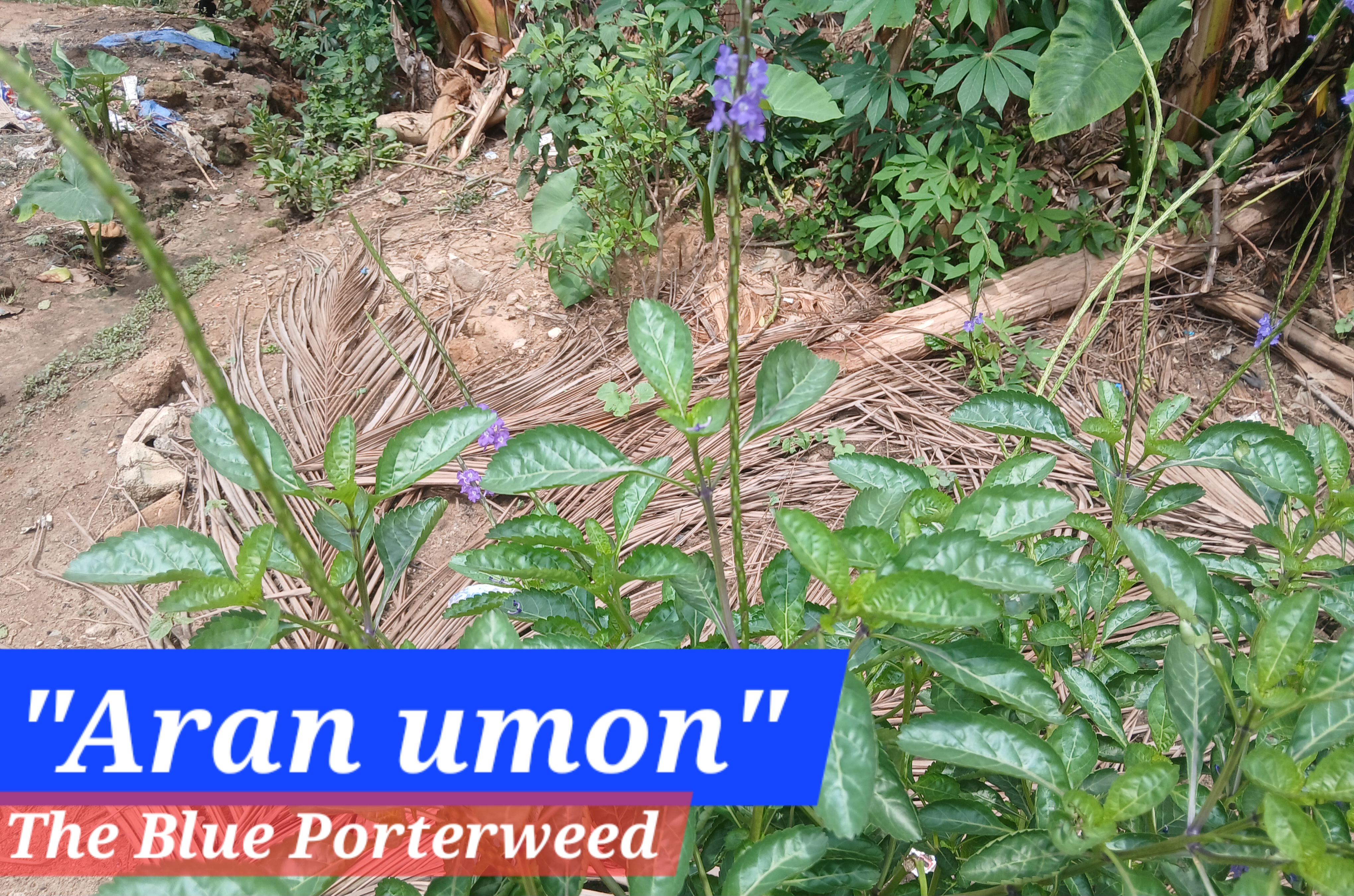 The weed locally called Aran umon Captured with GalaxyA15
The Blue Porterweed
Blue Porterweed, locally known as "Aran umon" by the Ibibio people of Akwa Ibom State, plays a key role in traditional medicine. The Ibibio culture includes the use of enemas as a major means of treatment. In some homes, enemas are a weekly norm, and one of the often-used ingredients is the now-controversial Blue Porterweed.

The comment above is one among many comments under a Facebook post that tells how the Blue Porterweed was and is still used to treat both malaria and typhoid.
While some recounted how recently they had used this plant as a tea or enema, others reminisced about the time they were bent over and it was infused as an enema when they were still young, telling how useful it still proves to be in the war against malaria. But among the many comments were some who advised others to beware of this plant as it sometimes behaves like a two-edged sword, advising that they should be mindful of the quantity used and the difference in our body makeup.
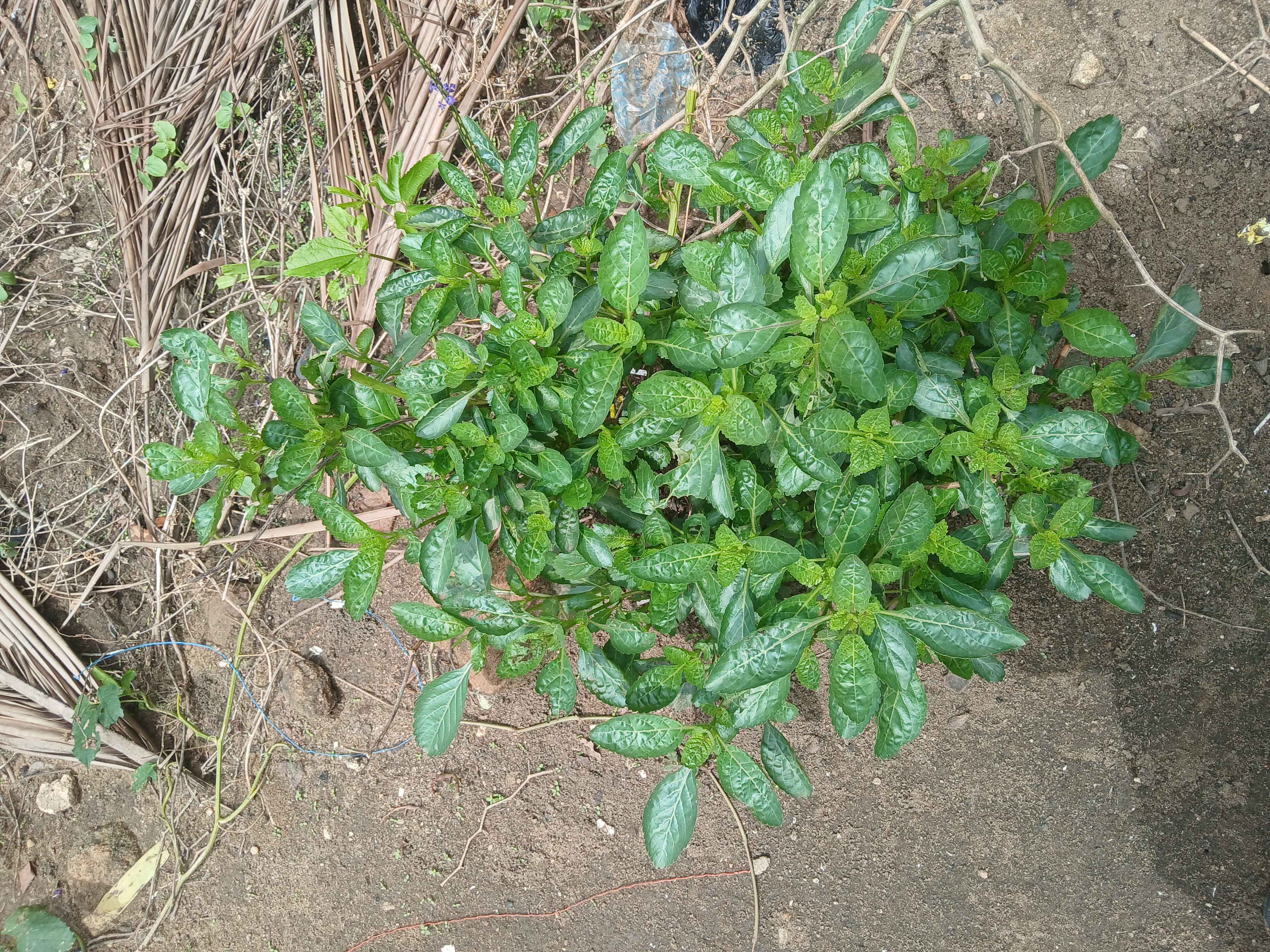
But what really is the Blue Porterweed? How potent can it be?
The Blue Porterweed is scientifically identified as Stachytarpheta jamaicensis. Brazilian tea is its English alias but you may know it as Jamaica vervain, rooter comb or worryvine.
When bush hunting for Brazilian tea, make sure you do not mistakenly get its causin because there is a striking resemblance between Stachytarpheta cayennensis and Stachytarpheta jamaicensis, the two are sometimes confusing.
Taxonomy/Scientific classification
| Kingdom: | Plantae |
|---|---|
| Clade: | Tracheophytes |
| Clade: | Angiosperms |
| Clade: | Eudicots |
| Clade: | Asterids |
| Order: | Lamiales |
| Family: | Verbenaceae |
| Genus: | Stachytarpheta |
| Species: | S. jamaicensis |
| Stachytarpheta | jamaicensis |
|---|
Description - how to identify it
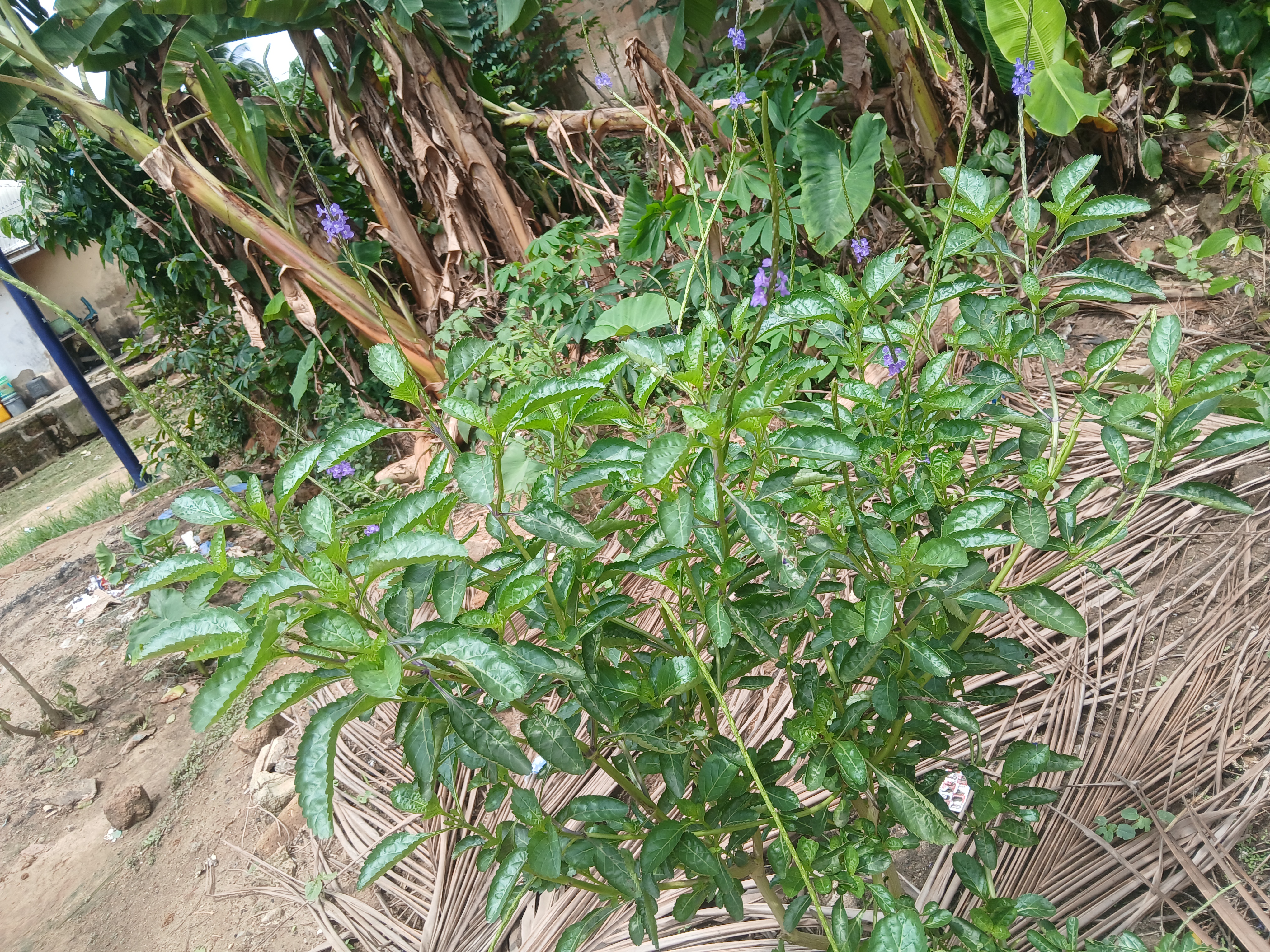
It has dark green leaves that are oviform in shape. The leaves have this glossy shine with a curved surface and the blade's edge is jagged like a saw, but with blunt teeth grows a long narrow structure that holds tubular, purplish-blue flowers. The flowers are small and are often found at the lower part of the strustrustuuc, where they grow.
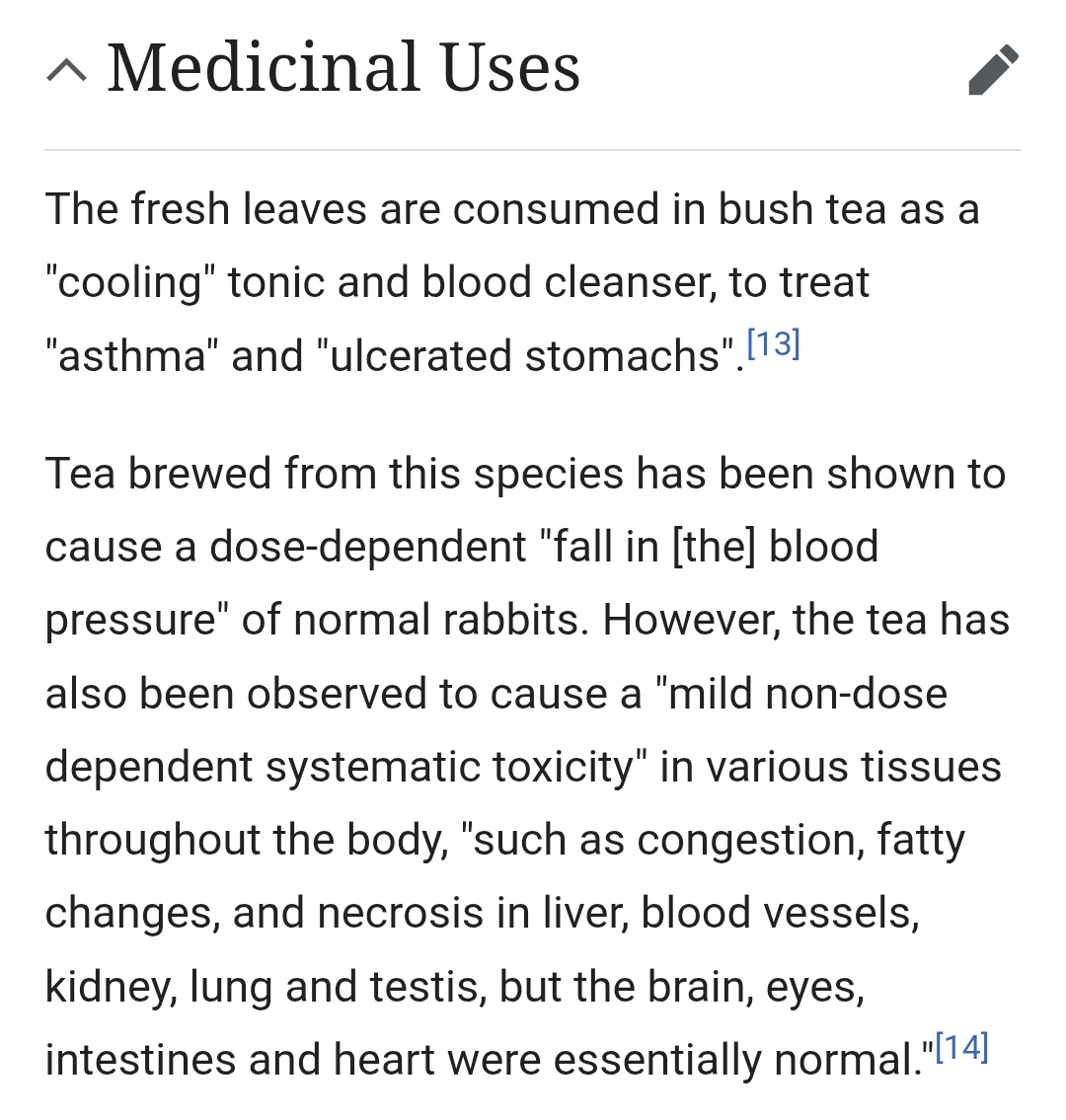
As you can see here, Wikipedia has a lot to say about the use of this plant in traditional medicine, an indication that the Ibibio people were somehow on the right track.

How about strong opinions like the one in the snipped comment above?
People with this opinion are not wrong either, this plant can move from very useful to very harmful as you scale up the quantity used. And it's also true that you may have a customised reaction based on your particular body system.
Because I am not an expert in this area, I can't recommend the number of leaves that would be appropriate, nor can I say how much water or ethanol can be used in prepping any of these concoctions to avoid over diluting it.
Consult with the aged members of the Ibibio community and do it fast because this knowledge is progressively following that generation to the grave without being passed down. How its leaves, roots, or whole plant are taken as tea, juice, or enema will soon become a lost secret in the treatment of malaria, its uses are antimicrobial and antifungal.
It has analgesic, wound healing, immuno modulation properties.
Conclusion
Aran Umon like every other drugs should be handled by trained and qualified hands in the circle of traditional medicine practitioners. It should not be abused because it could has serious repercussions.
@dequeen
@okere-blessing
@rubee2as1 @scottrollins
@joslud @xavuno @bountyking5
@josepha @udyliciouz @commey05
Media Credit |
|---|
| Composer | @manuelhooks |
|---|---|
| Captured by | @manuelhooks |
| Captured with | Galaxy-A15 |
| Location | Uyo, Nigeria |
| Posting Date | Wed, 15. April |
| (@) 2026 |
#steemexclusive #technology #club5050
#discovery #education #nigeria
#learning #science #data
#communication
#electronics
#user