Hibiscus: The Queen of Tropical Flowers
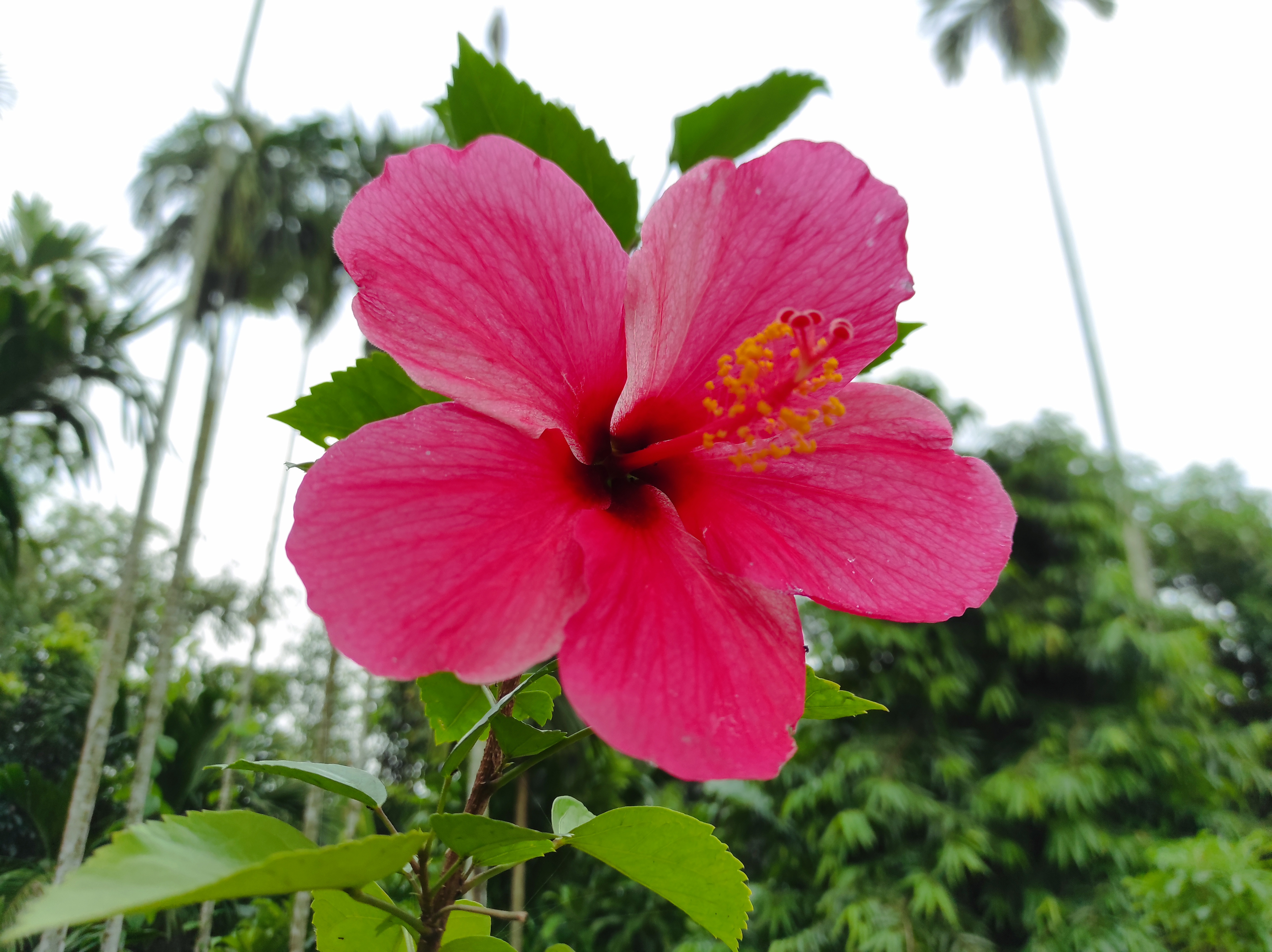
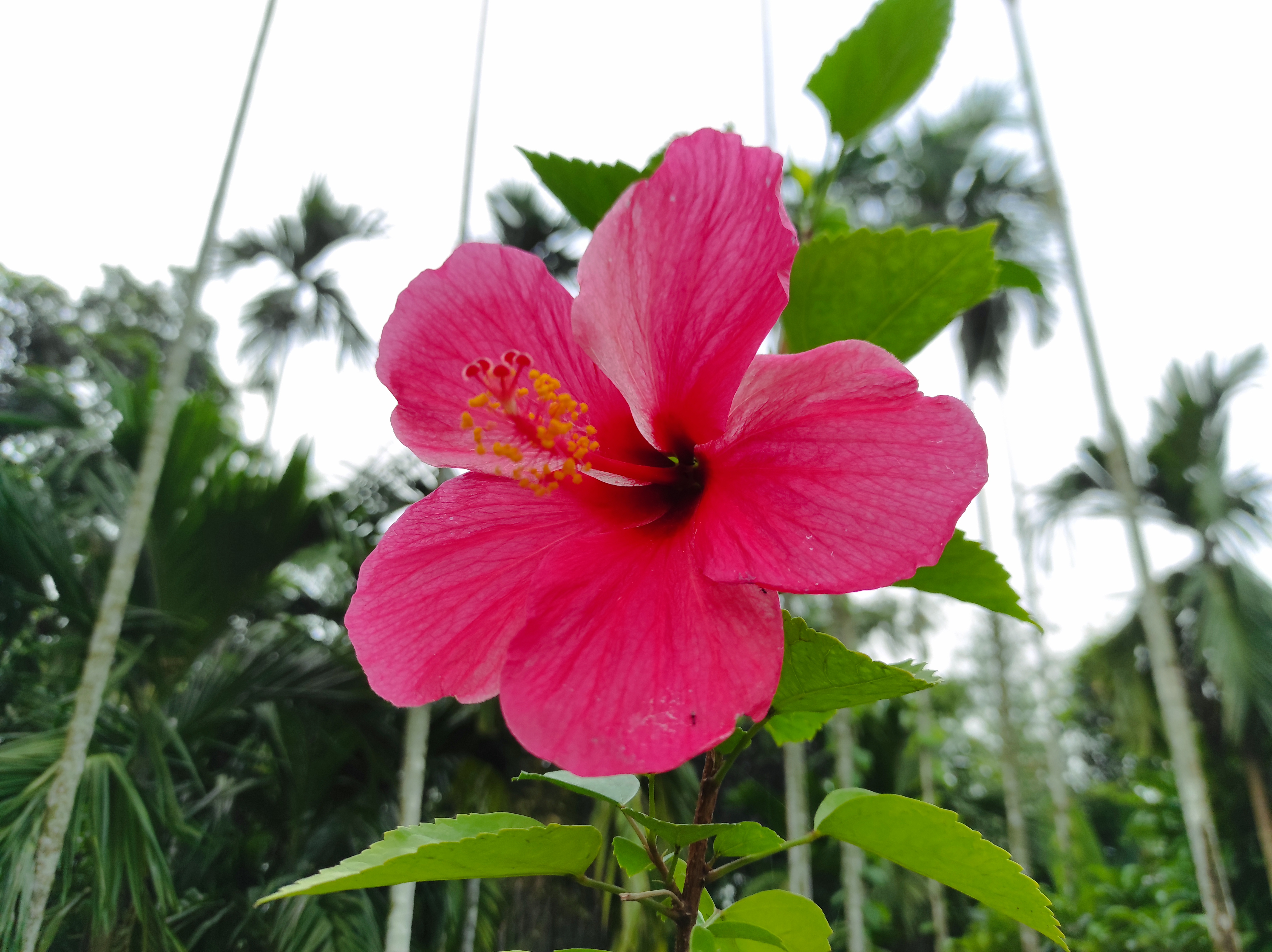
The Hibiscus flower is one of the most beautiful and widely recognized flowering plants in tropical and subtropical regions. Known for its large, colorful blooms, Hibiscus adds a vibrant touch to gardens, parks, and landscapes. Its striking petals and elegant shape have made it a favorite among gardeners and flower enthusiasts around the world.
Hibiscus flowers come in a wide range of colors, including red, pink, yellow, orange, white, and purple. The blooms are usually large and trumpet-shaped, with a prominent central stamen that gives the flower its distinctive appearance. Their bright colors attract butterflies, bees, and other pollinators, helping support local ecosystems.
This plant thrives in warm climates and grows best in well-drained soil with plenty of sunlight. Regular watering and occasional fertilization encourage healthy growth and abundant flowering. With proper care, Hibiscus plants can bloom continuously for much of the year, providing a constant display of natural beauty.
Beyond its ornamental value, Hibiscus has many practical uses. In several cultures, its flowers are used to prepare herbal teas, traditional remedies, and natural beauty products. Hibiscus tea, in particular, is popular for its refreshing taste and vibrant red color.
The Hibiscus flower symbolizes beauty, joy, and hospitality in many parts of the world. Its stunning blooms, easy cultivation, and cultural significance make it a treasured addition to gardens everywhere. Whether admired for its appearance or valued for its uses, Hibiscus remains one of nature’s most captivating flowers.