Globalization: A Force for Good or a Catalyst for Inequality?
Globalization is perhaps the most debated topic of the 21st century. It refers to the increasing interconnectedness of the world’s economies, cultures, and populations, driven by technological advancements and international trade.
But as our world shrinks, the question remains: is globalization a rising tide that lifts all boats, or a mechanism that deepens the divide between the rich and the poor?
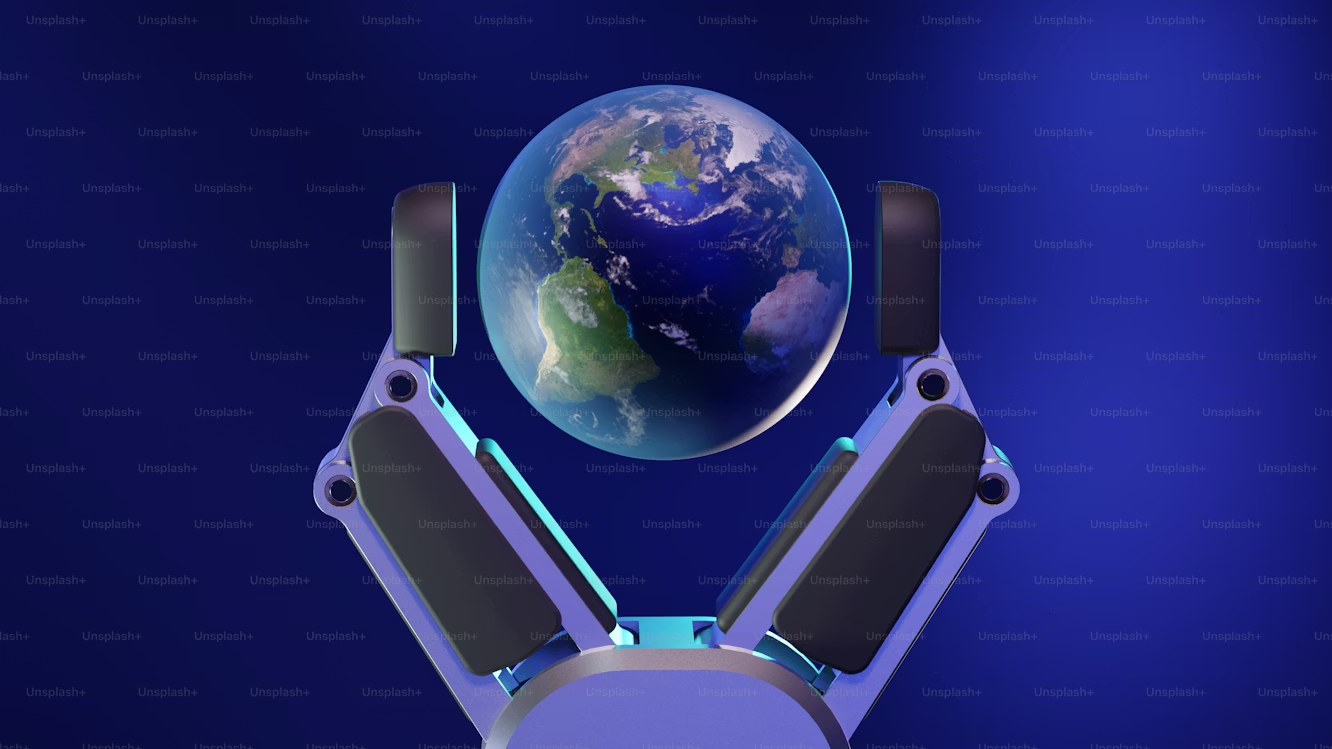
The Case for Progress Proponents of globalization argue that it has been the single greatest engine for poverty reduction in human history. By opening borders to trade, developing nations have gained access to global markets, creating millions of jobs and lifting hundreds of millions of people out of extreme poverty.
Furthermore, the exchange of ideas has accelerated innovation. From life-saving medical breakthroughs to the rapid dissemination of green energy technology, global collaboration has fostered solutions to challenges that no single nation could solve alone. Culturally, it has broadened our horizons, fostering a more cosmopolitan and empathetic global citizenry.
The Shadow of Globalization Conversely, critics point to the "hollowing out" of local economies. While consumers benefit from cheaper goods, the outsourcing of manufacturing has led to wage stagnation and job losses in developed nations.
There is also the issue of the "race to the bottom," where corporations flock to countries with the weakest labor laws and environmental regulations, prioritizing profit over human rights and sustainability.
Additionally, globalization has been criticized for eroding cultural uniqueness, leading to a homogenized "McWorld" where local traditions are overshadowed by global brands.
Finding the Balance Ultimately, globalization is neither inherently good nor bad; it is a powerful tool. Its outcomes depend on how it is managed. To serve the greater good, it must be coupled with robust international policy, fair labor standards, and a commitment to domestic social safety nets.
Moving forward, the goal should be "inclusive globalization"—a model that ensures the benefits of a connected world are shared by all, not just the privileged few.
Warning,This user was downvoted or is blacklisted likely due to farming, phishing, spamming, ID theft, plagiarism, or any other cybercrime operations. Please do your due diligence before interacting with it.If anyone believes that this is a false flag or a mistake, consider reaching the watchers on Discord. Thank you,