The Liquid Gold of the Garden: Unveiling the Saffron Crocus
In the world of botany, few plants command as much reverence and intrigue as Crocus sativus. Known globally as the Saffron Crocus, this delicate purple flower is the source of saffron, the world’s most expensive spice by weight. Yet, beyond its culinary prestige, the plant itself is a marvel of nature.
A Harvest of Patience
The Saffron Crocus is a perennial that keeps growers on their toes. Unlike many garden varieties that bloom in the spring, Crocus sativus emerges in the cool air of autumn. Rising from a corm, the flower displays striking lilac petals and three bright crimson stigmas.
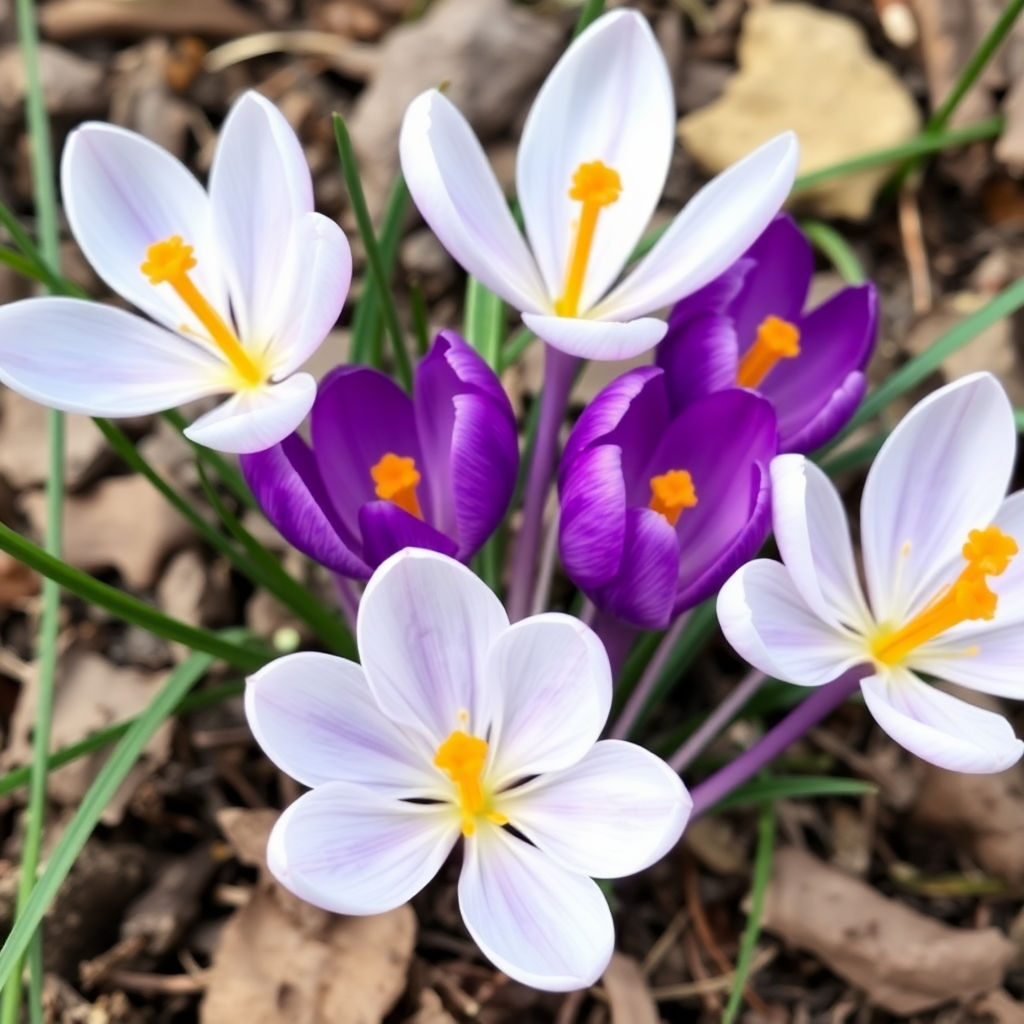
It is these three tiny, thread-like stigmas that hold the magic. Because they must be harvested by hand—often at the crack of dawn to prevent the sun from wilting the delicate strands—the labor involved is immense. It takes roughly 75,000 blossoms to produce a single pound of dried saffron, which explains the high price tag attached to the "red gold."
Cultivation and Care
If you are considering adding this botanical treasure to your home garden, be prepared for a lesson in patience and drainage. The Saffron Crocus thrives in Mediterranean-like climates with hot, dry summers and cool, moist autumns. They require well-draining soil; if their corms sit in water, they will succumb to rot.
Once planted, they are remarkably resilient, often naturalizing and multiplying over several years. They are as beautiful as they are functional, adding a splash of vibrant violet to the garden when most other perennials have faded into dormancy.
More Than Just a Spice
Whether you are cultivating them for your kitchen pantry or simply for the quiet beauty they bring to a rock garden, Crocus sativus is a fascinating study in perseverance. It reminds us that the most valuable things in life—and in our gardens—are often the ones that require the most care.
The Saffron Crocus is a perennial that keeps growers on their toes. Unlike many garden varieties that bloom in the spring, Crocus sativus emerges in the cool air of autumn. Rising from a corm, the flower displays striking lilac petals and three bright crimson stigmas.
Good job