The Art of Food Presentation: More Than Just a Feast for the Palate
In the realm of fine dining, the philosophy is simple yet profound: we eat with our eyes first. While flavor remains the cornerstone of any culinary masterpiece, it is the art of presentation that transforms a meal from a simple act of nourishment into a multisensory theatrical performance.
Fine dining is not merely about satiety; it is about storytelling. A plate is a canvas, and a chef is an artist who balances color, texture, shape, and negative space to evoke an emotional response. When a dish arrives at the table, the arrangement acts as a preview, signaling the quality, care, and creativity invested in the kitchen.
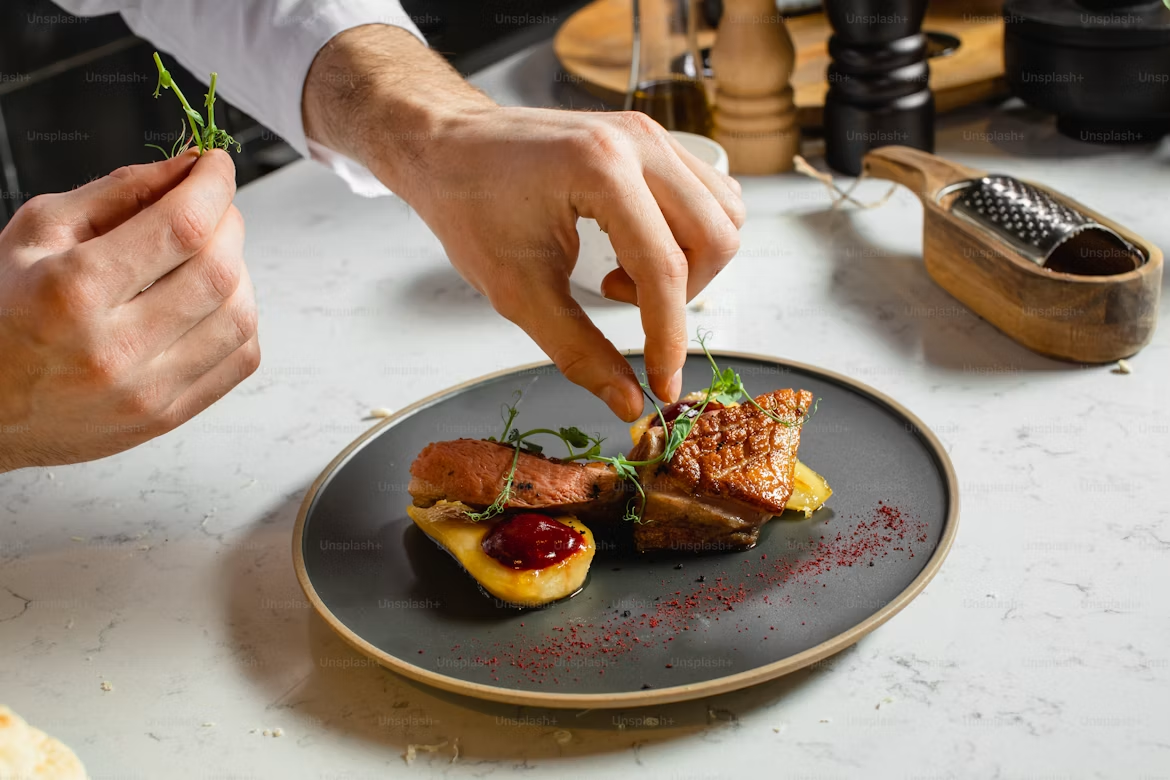
The Principles of Plating Great presentation relies on a delicate balance of composition. Chefs often utilize the "rule of thirds" or asymmetrical arrangements to create visual interest. Texture plays a pivotal role—the crunch of a micro-green against the velvet sheen of a reduction sauce provides sensory contrast that is as vital to the experience as the taste itself.
Color, too, is a strategic tool. Vibrant, seasonal produce can turn a plate into a landscape, while the deliberate use of negative space allows the ingredients to "breathe," drawing focus to the star of the dish. Even the choice of dinnerware—its weight, color, and temperature—serves as the frame for the chef’s work.
Connecting the Diner to the Dish Ultimately, the goal of refined presentation is to create a moment of pause. It invites the diner to investigate, appreciate, and anticipate the first bite. When a dish is plated with intention, it signals respect for the ingredients and the guest alike.
In fine dining, the art of presentation bridges the gap between the kitchen’s labor and the diner’s pleasure, proving that while taste creates a memory, presentation creates the magic.