How Do You Choose the Right Size Decorative Mirror for a Living Room?
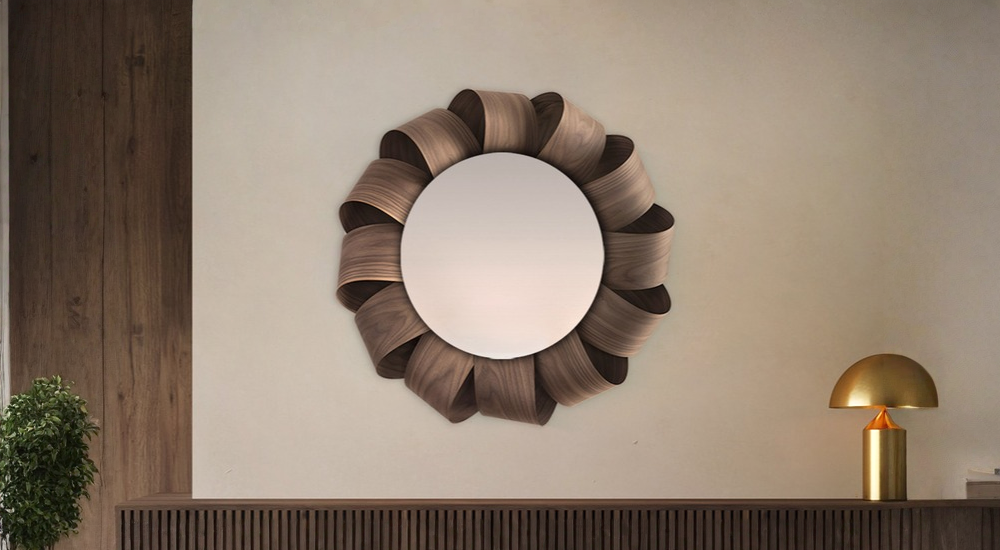
Decorative mirrors have become one of the most popular styling elements in modern homes. They add depth, reflect light, and help living spaces feel more balanced. However, one question often comes up when homeowners begin shopping for a mirror: how do you choose the right size?
The answer is not simply about finding a mirror that fits the wall. The most successful mirror choices are based on proportion, furniture placement, and the overall layout of the room.
As decorative mirrors continue becoming central to contemporary interior styling, understanding scale has become increasingly important. This relationship between room size and mirror selection is explored in Spacio’s detailed guide: https://spaciocollections.com/blogs/expert-advise/how-to-choose-decorative-mirrors-for-different-room-sizes
Start with the room, not the mirror
Many people begin their search by looking at mirror designs first.
They focus on:
• shapes
• frames
• finishes
• colours
While these factors matter, the room itself should always be the starting point.
A mirror does not exist in isolation. It interacts with:
• furniture
• lighting
• architecture
• surrounding decor
This means that choosing the right size is really about creating balance within the room.
Why proportion matters
One of the easiest ways to understand mirror sizing is through proportion.
A decorative mirror placed above a console table or sofa should feel visually connected to the furniture beneath it.
When a mirror is too small, it can look disconnected. When it is too large, it may overpower the rest of the room.
Good interior styling often comes down to visual relationships. The mirror should complement surrounding elements rather than compete with them.
Small living rooms can benefit from large mirrors A common misconception is that small rooms require small mirrors.
In reality, larger mirrors often work surprisingly well in compact spaces.
They can help create:
• visual depth
• additional brightness
• a sense of openness
• expanded sightlines
Because mirrors reflect the room, they help reduce the feeling of confinement.
This is one reason decorative mirrors are frequently used in apartments and urban homes where space is limited.
Larger rooms need stronger visual impact
In larger living rooms, very small mirrors often lose their presence.
This is why contemporary interiors frequently feature:
• oversized mirrors
• large circular mirrors
• statement mirrors
• floor mirrors
These larger pieces help establish visual structure and prevent walls from feeling empty.
The mirror becomes part of the room’s architecture rather than simply a decorative accessory.
Think about what the mirror reflects One aspect that many homeowners overlook is reflection.
The mirror itself is only half of the visual experience.
The reflection also becomes part of the room.
A well-placed mirror may reflect:
• natural light
• artwork
• decorative lighting
• greenery
• architectural details
This helps increase visual interest and creates a stronger sense of depth.
Interior stylist Navin Kanodia has frequently noted that mirrors should always be selected with their reflection in mind. The reflected view often influences the atmosphere of the room more than the frame itself.
Horizontal or vertical?
The shape and orientation of a mirror also influence how the room feels.
Horizontal mirrors often help create a feeling of width and openness.
Vertical mirrors help emphasise height and can make ceilings feel taller.
The choice depends on the architecture of the room and the visual effect you want to achieve.
Common mistakes to avoid
When selecting a decorative mirror, some common mistakes include:
• choosing a mirror that is too small
• ignoring furniture proportions
• focusing only on the frame
• forgetting to evaluate the reflection
• selecting a mirror before considering placement
Avoiding these mistakes usually leads to a more balanced and visually successful result.
Final thoughts
Choosing the right size decorative mirror for a living room is not about following a strict measurement rule.
It is about understanding proportion, balance, and context.
When a mirror relates well to the furniture, architecture, and lighting around it, it becomes far more than a reflective surface.
It becomes an important part of the room’s overall design story.