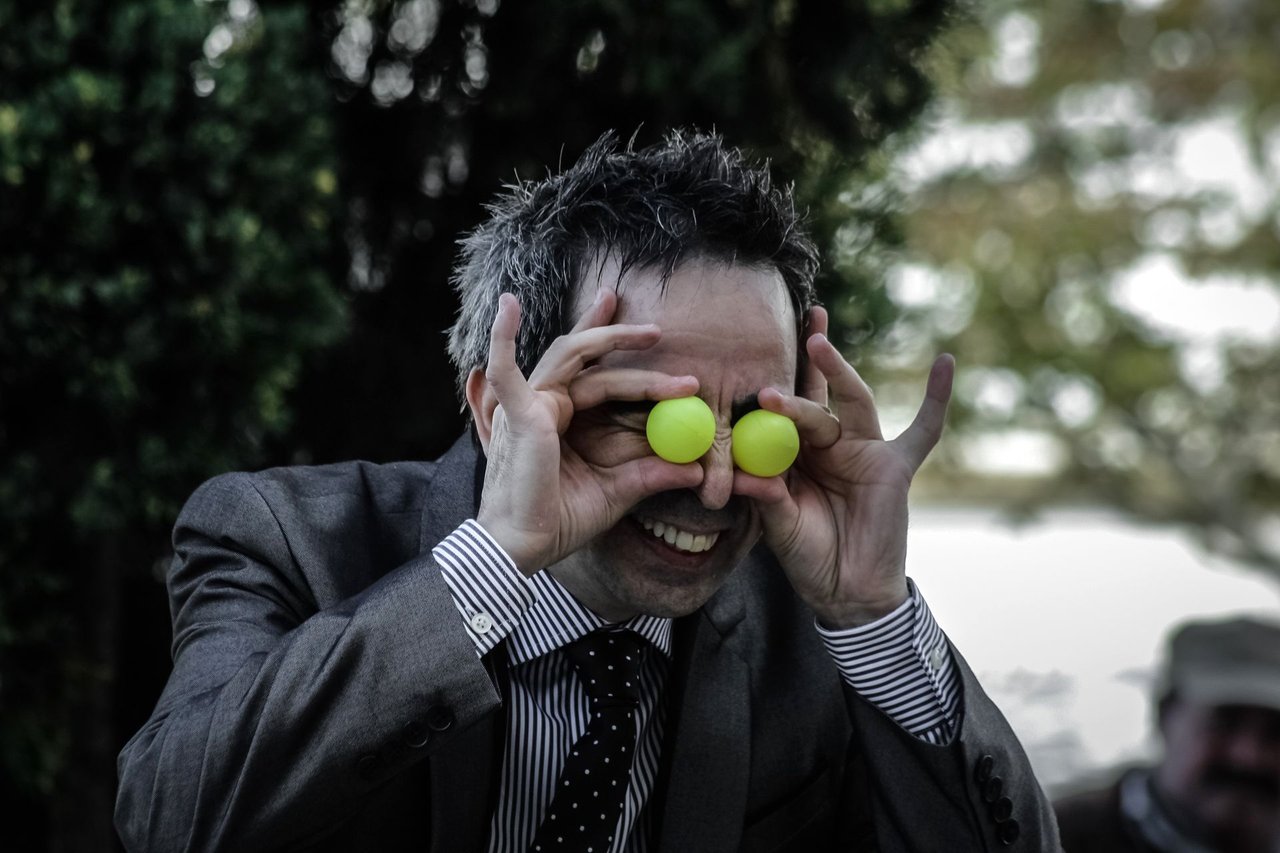
Street Artists
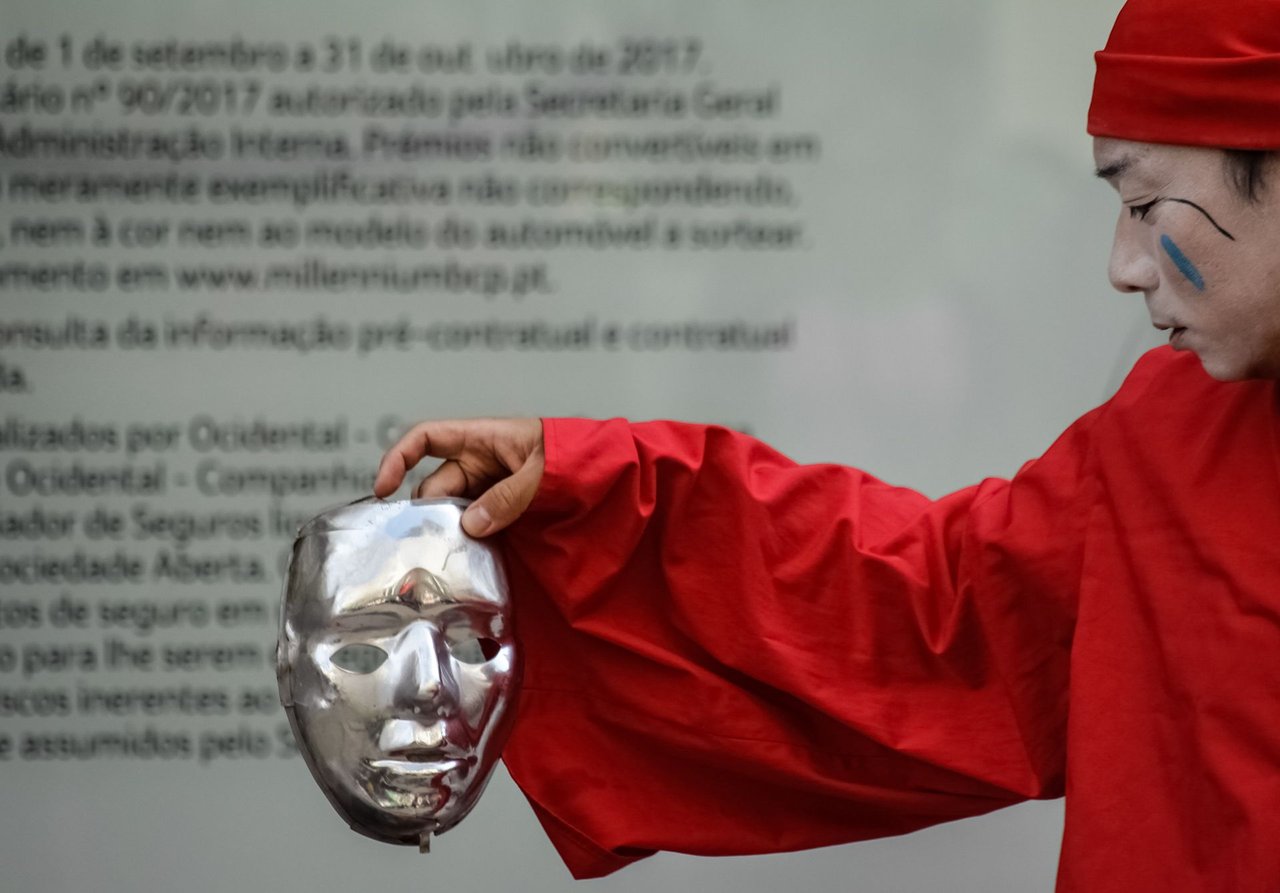
Culture remains the poor relation of government policy in countries considered to be the most developed.
In a European country like mine, Portugal, public investment in cultural services amounts to 0.3% of GDP. This is one of the lowest rates in Europe, where the average is 1%. Eurostat data reveal enormous disparities.
Eastern Europe and the Nordic countries invest the most, both in artistic production and in infrastructure for the arts. Iceland (1.1%), Estonia (1.0%), Hungary (0.9%), Latvia (0.9%), Malta (0.9%), and Croatia (0.8%) lead the ranking. Only Greece (0.2%), Ireland (0.2%), and Greece (0.2%) trail behind Portugal.
Beyond European borders, funding models for the arts change drastically, and new global giants have recently emerged.
The Middle Eastern model and the Asian model are the new “whales” of cultural investment. The United Arab Emirates and Saudi Arabia are the world’s largest investors in cultural infrastructure in absolute terms. Billions of dollars are being injected to create museums and mega-heritage projects. The Middle Eastern economy relies heavily on state sovereign wealth funds; investment in culture—relative to non-oil GDP—has skyrocketed to the global top.