Poor Waste Management and Domestic Waste Along Our Streets
Introduction
A clean environment is essential for healthy living, yet poor waste management remains a major challenge in many towns and cities. Every day, households generate large amounts of waste, including food scraps, plastics, paper, and other materials. When this waste is not properly collected and disposed of, it often ends up along streets, in drains, and in public spaces. The increasing presence of domestic waste on our roadsides not only affects the appearance of our communities but also poses serious risks to public health and the environment.
The Problem
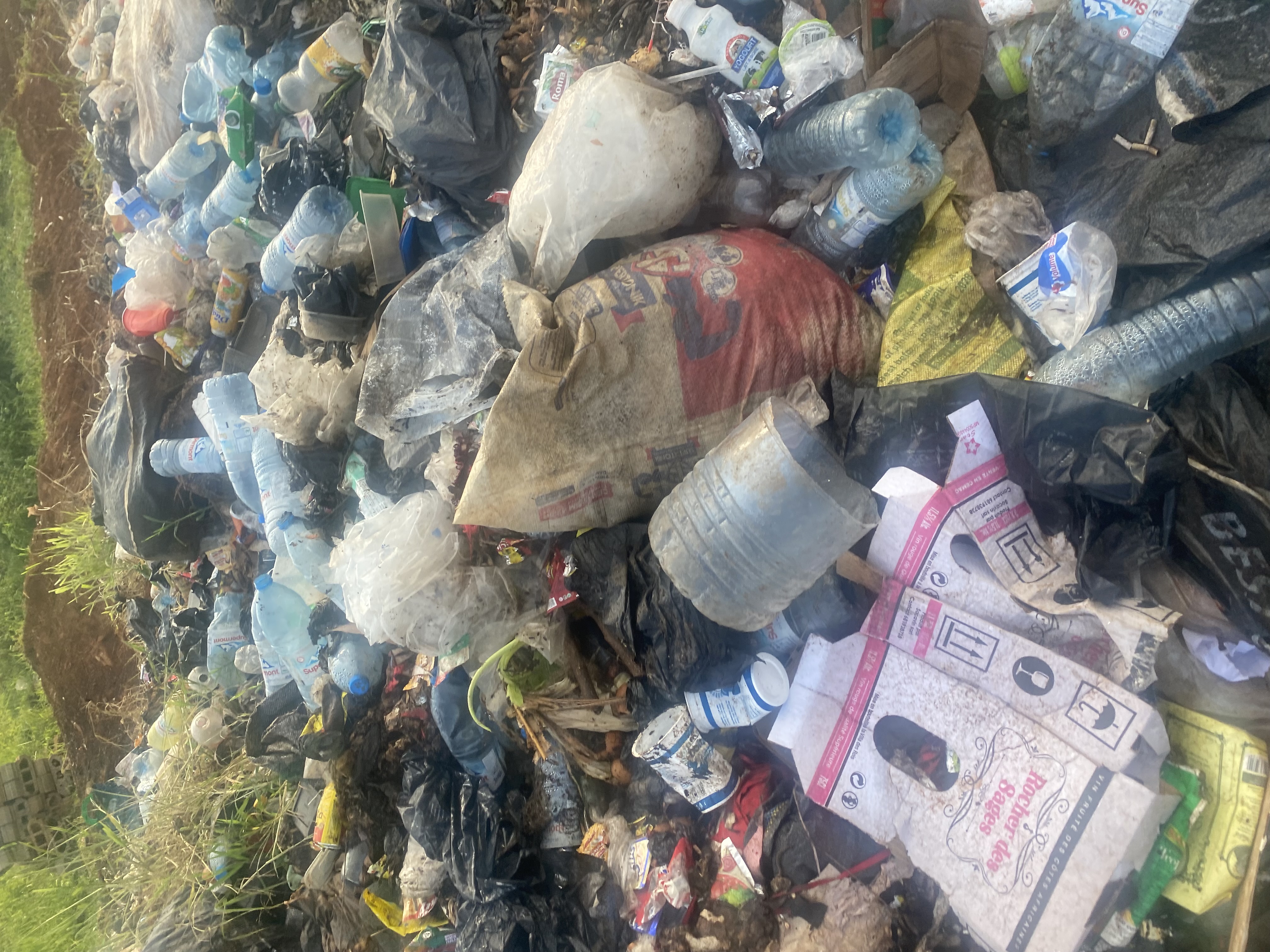
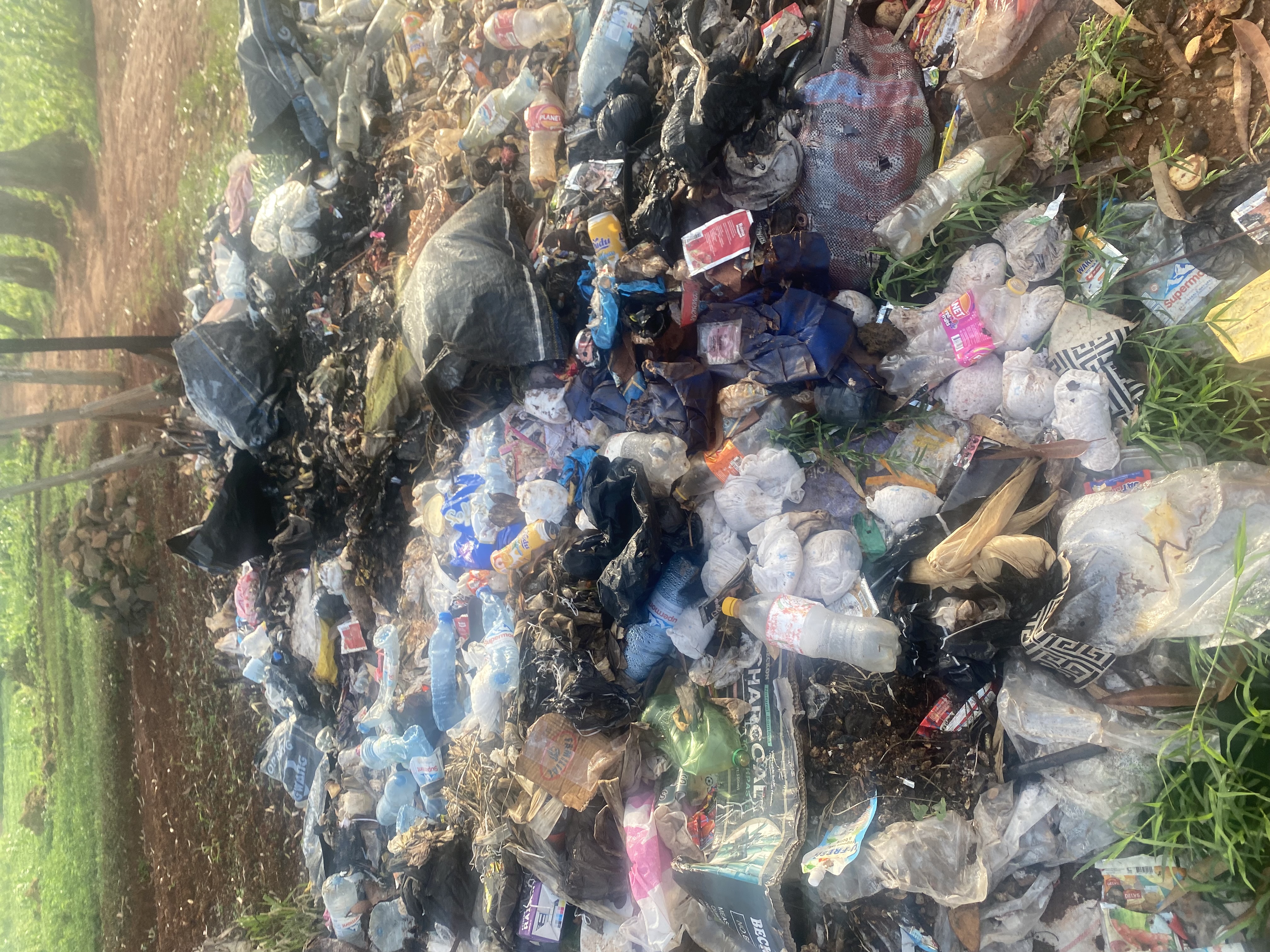
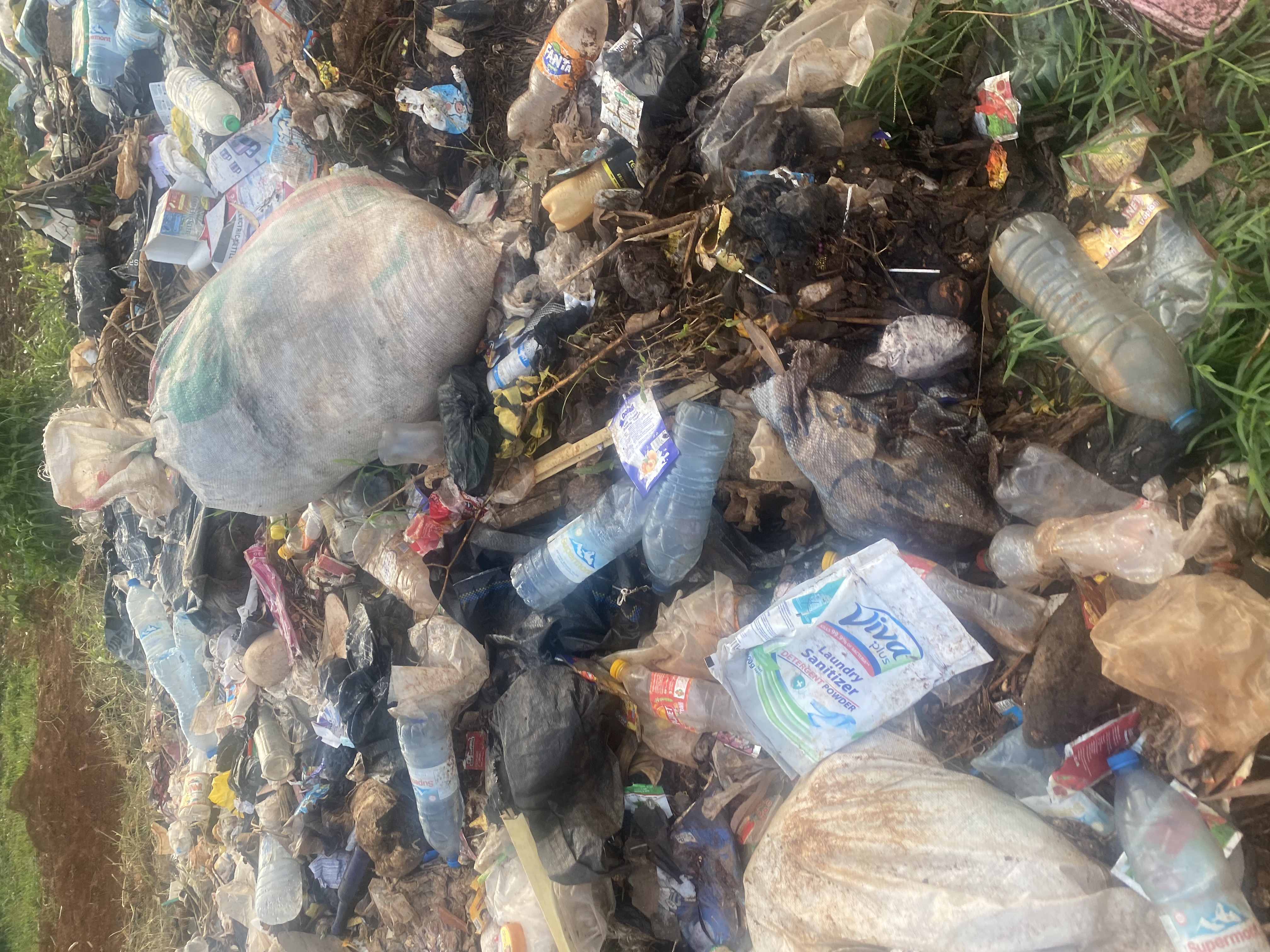
Domestic waste includes food leftovers, plastic bottles, paper, old clothes, cans, and other household refuse. Instead of being properly disposed of, much of this waste ends up on the streets. Some residents throw rubbish into drains, open spaces, or roadsides, while in some areas waste collection services are inadequate or completely absent.
Walking through many towns, it is common to see piles of garbage near markets, residential areas, and busy roads. This creates an unpleasant environment and affects the beauty of our communities.
Effects of Poor Waste Management
Health Risks
These waste attracts flies, mosquitoes, rats, and other disease-carrying organisms. These pests can spread illnesses such as typhoid fever, malaria and other intestinal tract infections
Environmental Pollution
Plastic waste and other non-biodegradable materials pollute the environment. They can remain in the soil for many years and damage ecosystems.some even reduces the fertility of soil.
Blocked Drainage Systems
When waste is dumped into gutters and drains, water flow becomes obstructed. This often leads to flooding during the rainy season.
Unpleasant Odors
waste produces foul smells that make neighborhoods uncomfortable for residents and visitors.
Negative Image of Towns
Dirty streets create a poor impression of a town and may discourage tourism and investment.
Solutions
- Educate communities about proper waste disposal.
- Provide more public waste bins in strategic locations.
- Encourage waste recycling and reuse.
- Strengthen waste collection services.
- Enforce laws against indiscriminate dumping of rubbish.
- Organize regular community clean-up campaigns.
Conclusion
Keeping our streets clean is a shared responsibility. Government authorities, community leaders, and individual citizens all have important roles to play in improving waste management. By disposing of domestic waste properly, we can create healthier, cleaner, and more attractive towns for everyone.
Thank you for reading