Basic Knowledge in Agriculture #85
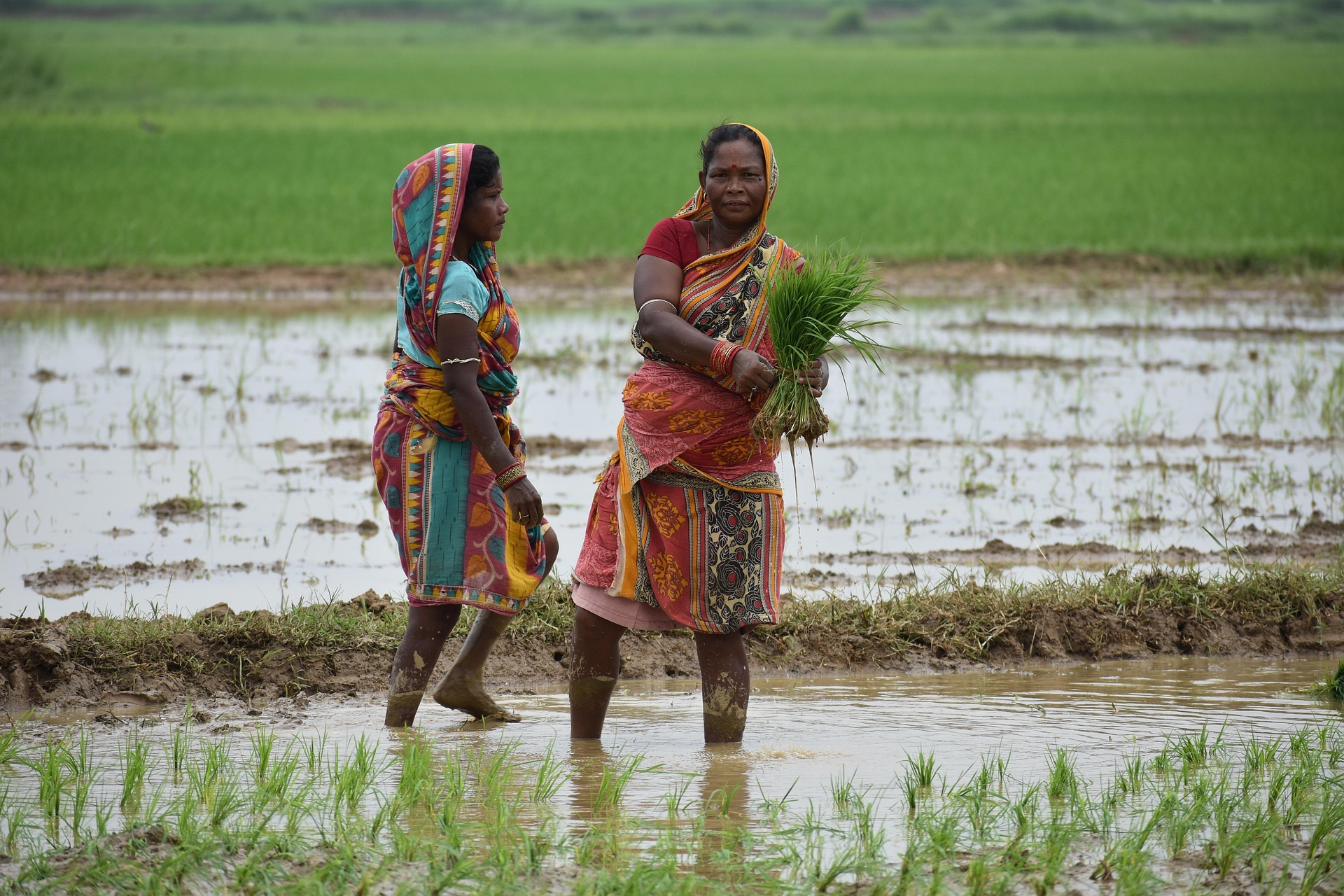
Explain in detail the term "Transplanting"?
Transplanting is a farming practice where a plant is relocated. It most frequently refers to growing the young plant (seedling) in a favorable, safe location such as the greenhouse, seed bed, or seed tray and then planting it out into its final location in a main field or garden plot.
The direct planting of seeds in the main field is called "direct seeding." Transplanting is a method greatly favored by cash crops (such as vegetables such as tomatoes, peppers, and onions, as well as cereal crops such as rice).
What is the importance of Transplanting in Agriculture?
Transplanting yields several unique benefits for the overall success of a farming system.
Better Survival and Uniform Growth
Young seedlings are easily threatened by harsh environmental conditions, pests and heavy rain. By the time the seedlings have been moved into the main field they have been prepared and their root and stem systems will be developed. In many cases, the level of seedling mortality is substantially lower as the seedlings have been adapted to field conditions, and farmers can select only the most robust seedlings for the field.
Weeds and Pest Management is Easier
The delicate nature of young seedlings simply can't stand up against rapidly growing weeds, which often become quite ferocious. Using established seedlings provides important competitive advantages for crops against weeds competing for light, water and nutrient resources, while often cheap and easy pest and disease control can be more readily applied over a small area like a nursery bed.
Efficient Use of Land and Season
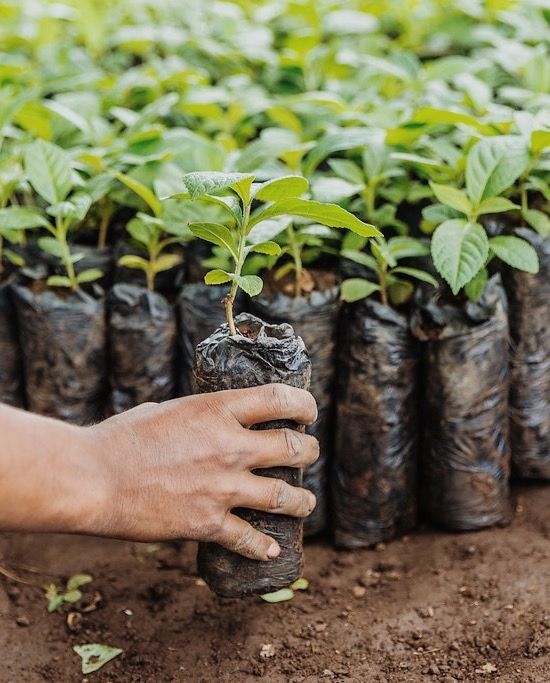
With seedlings growing in the nursery for three to six weeks, a free period occurs when the main field has no planted crops. Farmers can utilize this period to harvest a previous crop and incorporate any desirable organic materials into the soil, and to improve the cultivation and preparation of the soil. This permits an intensification of cropping systems by squeezing in several planting seasons into a single year.
Accurate Spacing and Efficiency of Resources.
Where seed is sown directly into a main field the density of seedlings often cannot be controlled with an accurate method and seedlings may have to be thinned out. Planting seedlings into the field allows for planting at exact recommendations, to ensure optimum competition for light, water and nutrients between plants. Such efficient use of spacing facilitates mechanical weeding, controlled irrigation and fertilization methods, as well as other cultivation practices such as application of fertilizer or pesticides.
Overall, transplanting may involve a greater upfront input of labor than direct seeding, but it provides significant returns in the way of robustness of crops, more efficient use of all resources, and higher harvest volumes.
Thanks for reading my post I'm inviting @chant, @bela90 and @rad-austine to participate.
🎉 Congratulations!
Your post has been upvoted by the SteemX Team! 🚀
SteemX is a modern, user-friendly and powerful platform built for the Steem community.
🔗 Visit us: www.steemx.org
✅ Support our work — Vote for our witness: bountyking5