Entertainment Blog #400 | How to Make a Killing [2026] : Killing for Legacy...
When it comes to dark comedies that explore the extreme lengths of greed and ambition, the formula is usually simple. Take a protagonist with nothing to lose, add an obscene fortune just out of reach, and watch as they turn family trees into target lists. But what makes these movies work is not just the body count. It’s the wickedly funny way they handle morality. How to Make a Killing takes that premise and plays it for both laughs and social commentary, blending slick corporate satire with a classic "eat the rich" revenge arc.
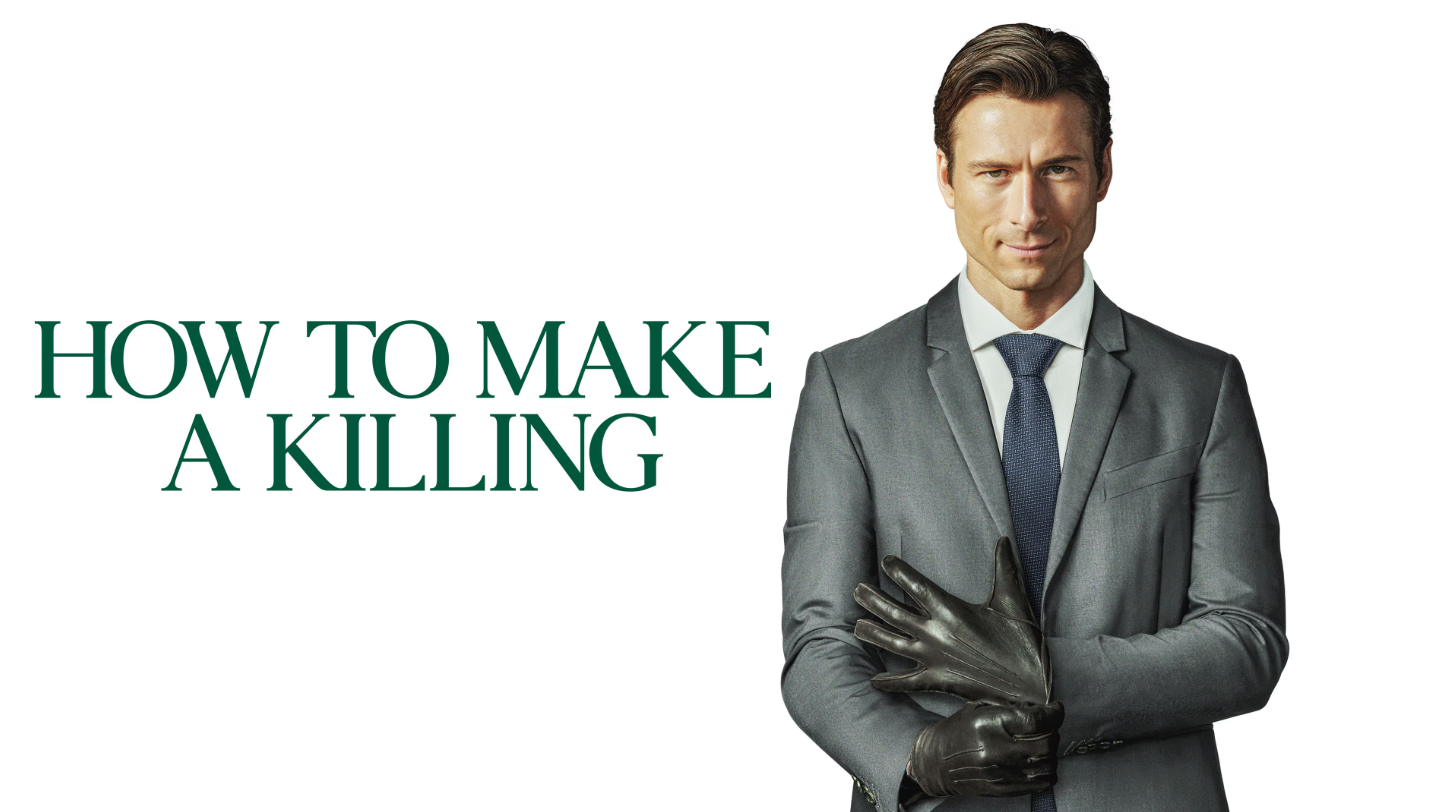
“How to Make a Killing” (2026) is a #blackcomedy #thriller #crime #movie directed by John Patton Ford and released by A24 in February 2026. It stars Glen Powell, Margaret Qualley, Jessica Henwick, Bill Camp, Zach Woods, Topher Grace, and Ed Harris. The film, which draws loose inspiration from the 1949 classic Kind Hearts and Coronets, runs for nearly two hours and focuses on a blue-collar outsider’s relentless mission to reclaim his birthright.
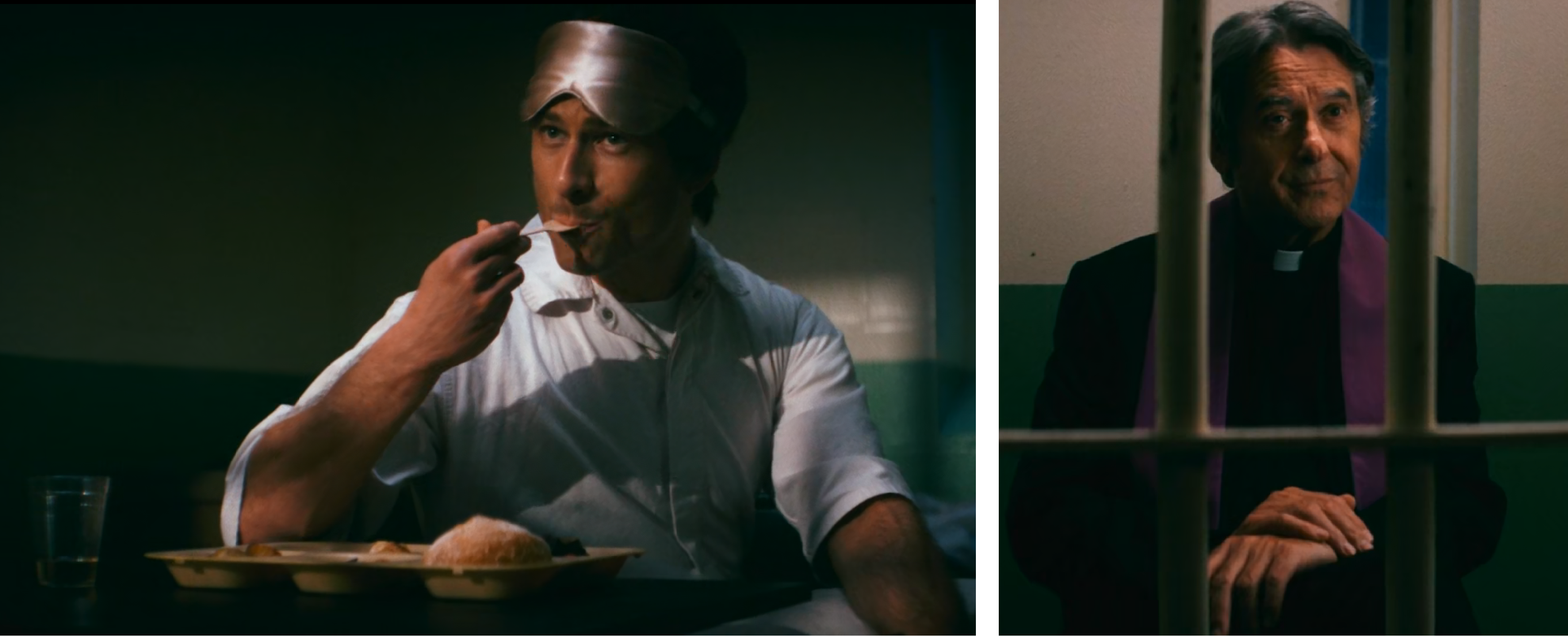
The story begins with Becket Redfellow, a man who has spent his life disowned by his obscenely wealthy family. The film opens in a high-stakes setting: Becket is on death row, only hours from execution. Through his own narration, he recounts how he came to be there. After realizing that he is in line for a multibillion-dollar inheritance, Becket discovers that his wealthy aunts, uncles, and cousins stand between him and the money. Driven by a mix of genuine perceived right and simple, unvarnished greed, he decides to speed up the inheritance process—permanently.
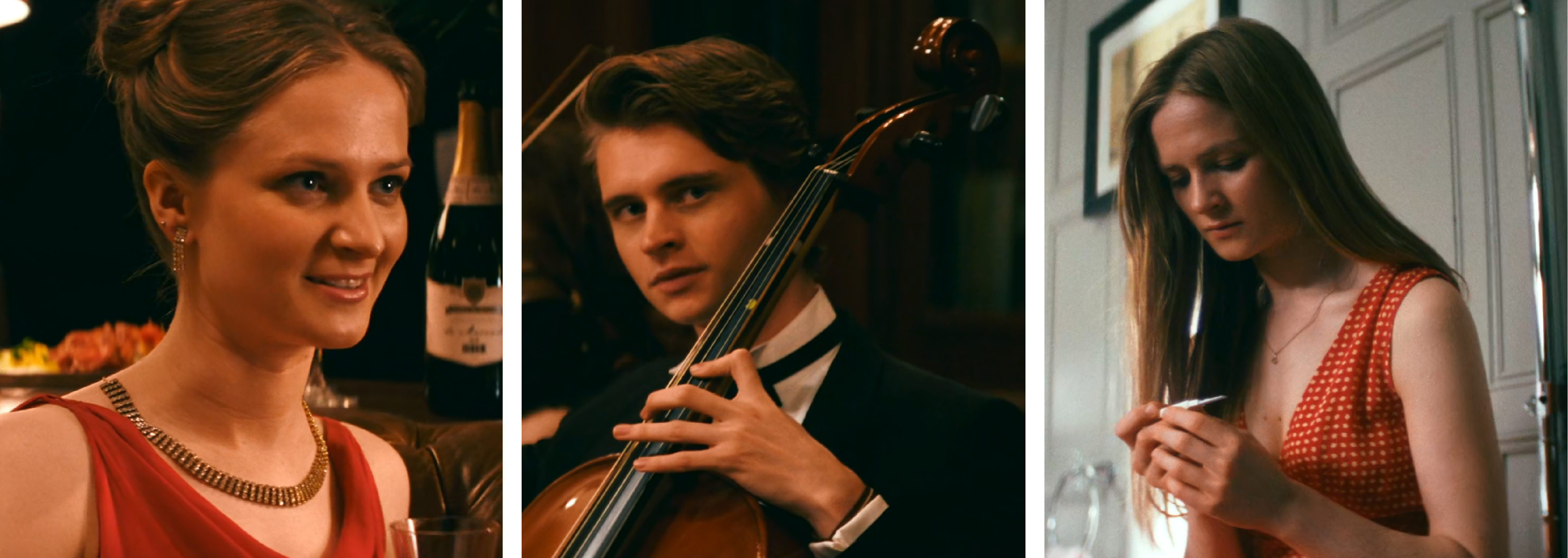
Soon, the film shifts into a series of calculated, often darkly comedic, murder sequences. Becket begins methodically eliminating the competition. Along the way, he reconciles with his childhood friend Julia Steinway, whose off-hand comment—"Call me when you've killed them all"—serves as a twisted catalyst for his campaign of violence. As he rises through the ranks of his uncle’s finance firm and manipulates his way through his family’s inner circle, the tension escalates. He isn't just killing for cash; he is engaging in a full-scale dismantling of the nepotistic, out-of-touch dynasty that once cast him aside.
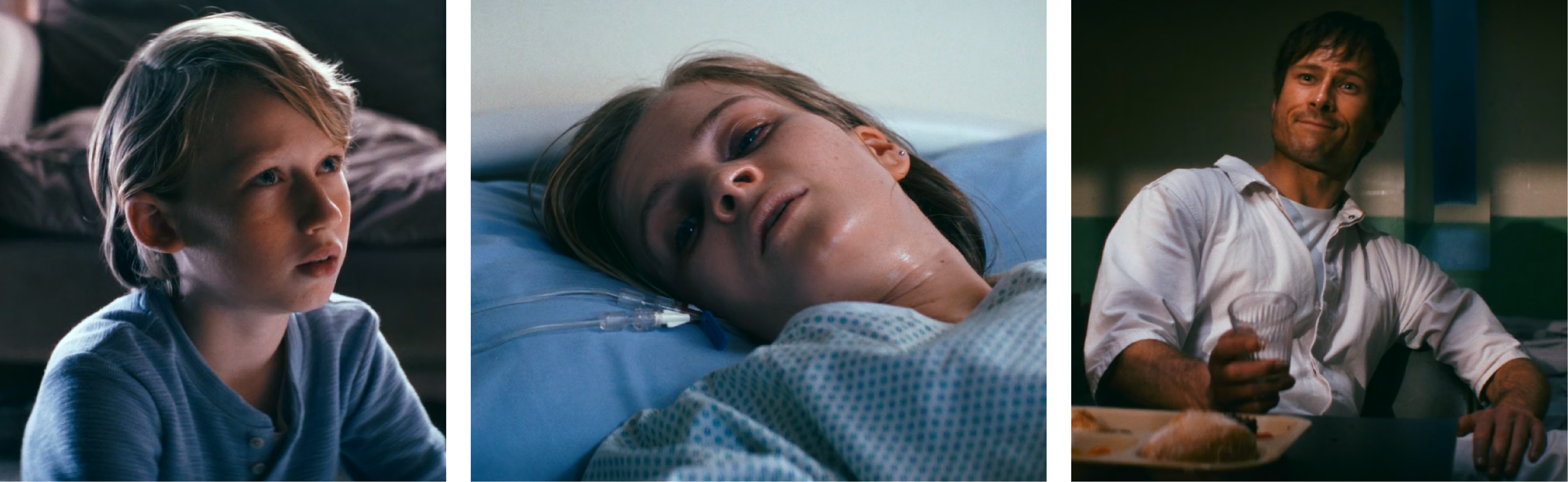
There’s a strong social and political layer here. The film serves as a caricature of the "one percent," using Becket’s murderous spree to highlight the absurdity of dynastic wealth and modern nepotism. Through his targets—a pretentious indie "artist," a gimmicky preacher, and various corporate climbers—the movie satirizes how power and ideology are passed down, regardless of merit. It reflects a cynical modern worldview where the only way to beat the system is to destroy it from within.
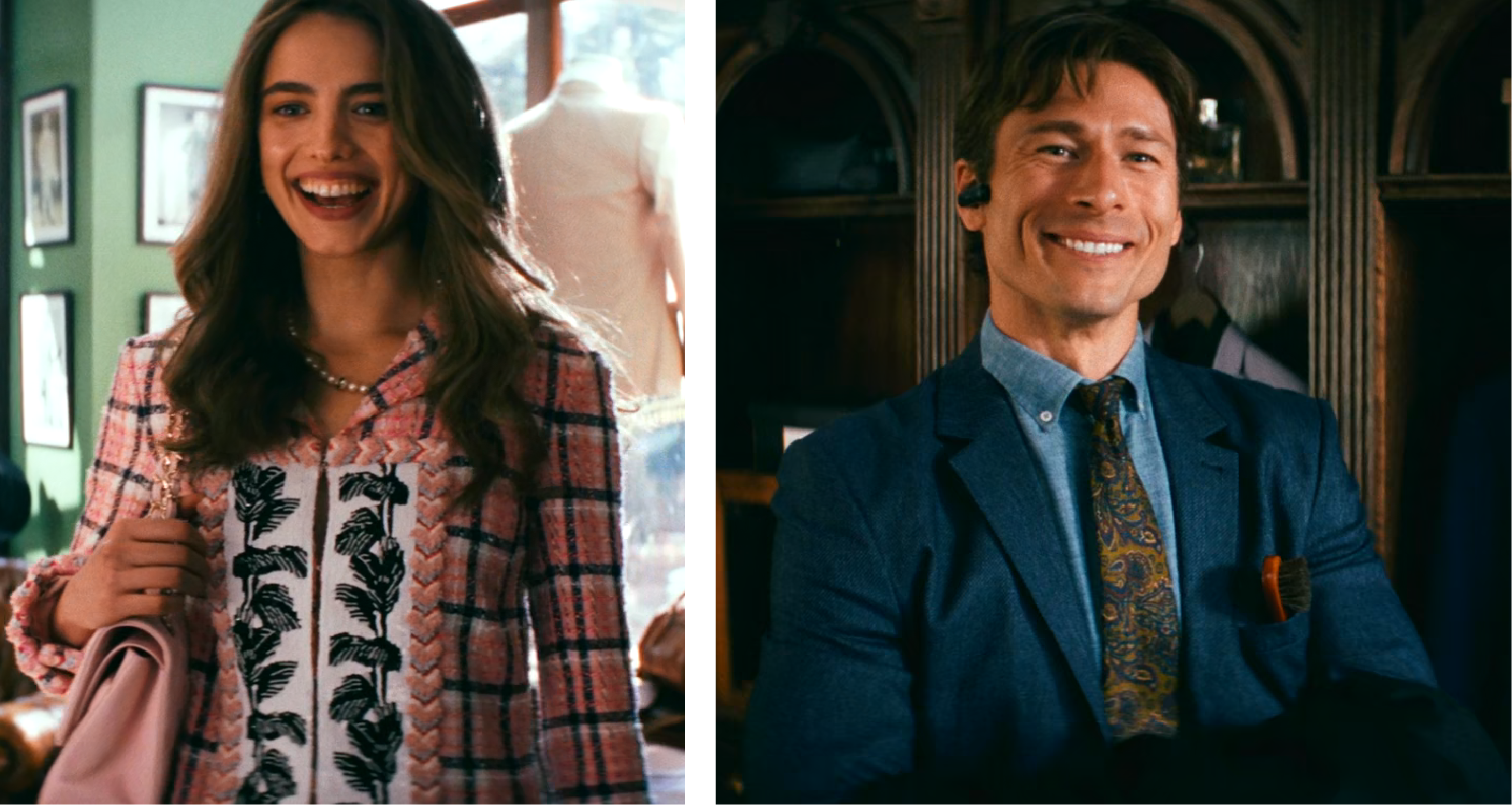
The film saw a theatrical release from A24. It proved to be a divisive entry in the studio’s catalog; critics were split, praising Glen Powell’s magnetic performance and the film’s stylish, irreverent energy, while others felt the satire lacked the biting depth of similar "eat the rich" films like The Menu or Parasite. Despite some criticism regarding the pacing and the "clean-out-the-fridge" approach to its plot, it remains a flashy, watchable piece of entertainment that leans heavily into its black-comedy roots.
So can Becket truly secure the legacy he believes he is owed? Is he a calculating villain, or just a man pushed to the edge by a system that never wanted him? And when the dust settles and the inheritance is finally within reach, is it worth the price of his soul? It’s up to you to find out.