ChaiLib: Update Quick Post for Large Books

by duck.ai
Some data in the image is randomly generated

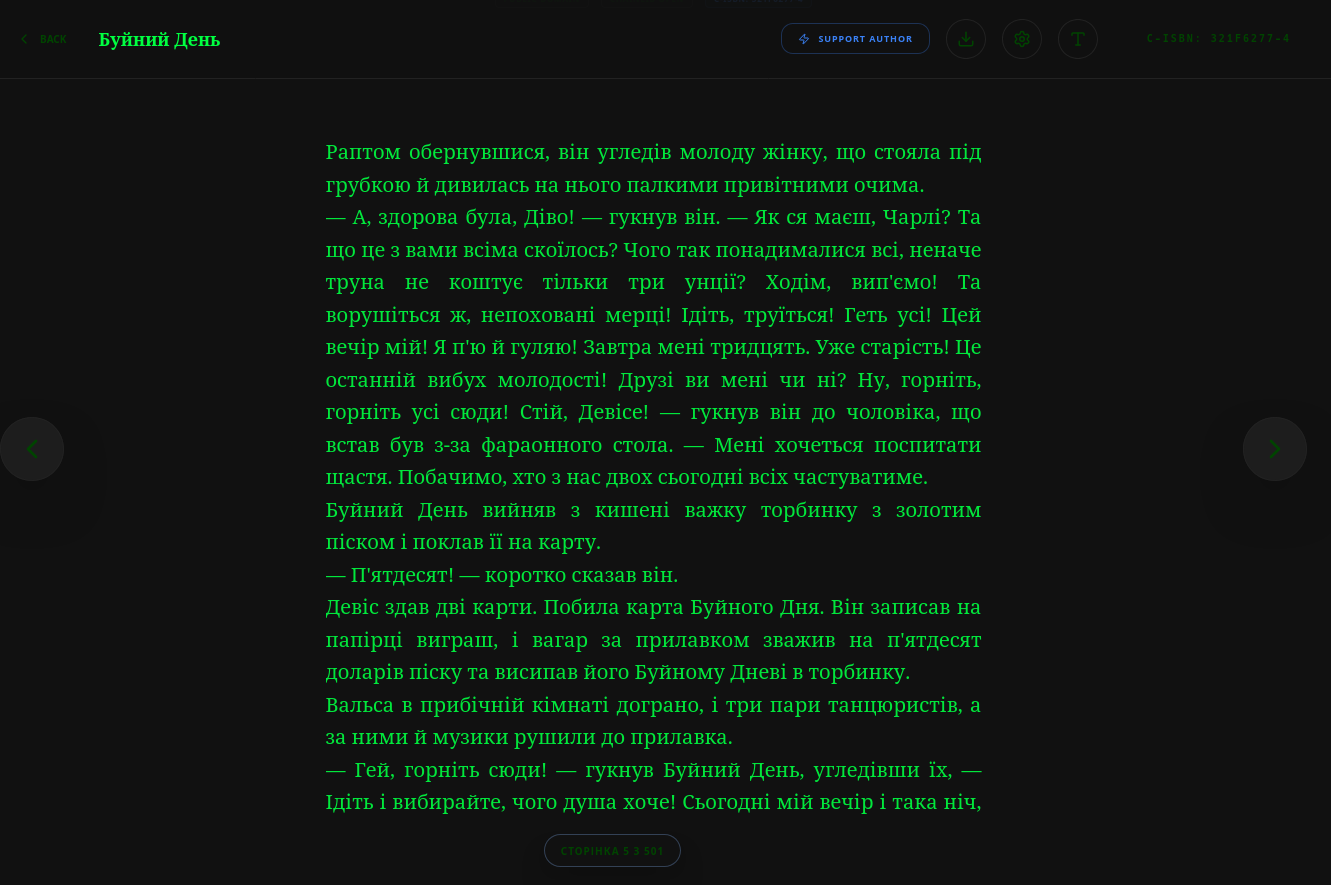
Page View Mode
Added an alternative display mode that paginates content instead of continuous scrolling. Implemented "next/back" navigation buttons and automatic page count calculation based on screen width and font settings.
Text Processing Improvements
Optimized text formatting algorithms, including the correct rendering of empty lines and paragraphs (Smart Reflow), ensuring better readability in both scrolling and page-by-page modes. We have optimized the content rendering mechanics and data delivery architecture to significantly improve performance and readability.
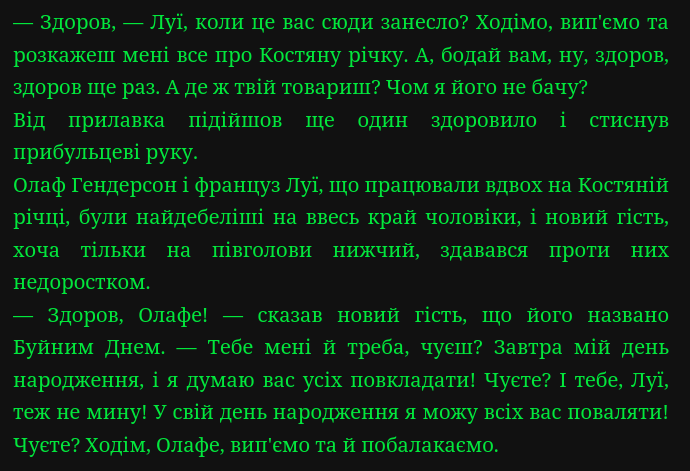 Standard text display |
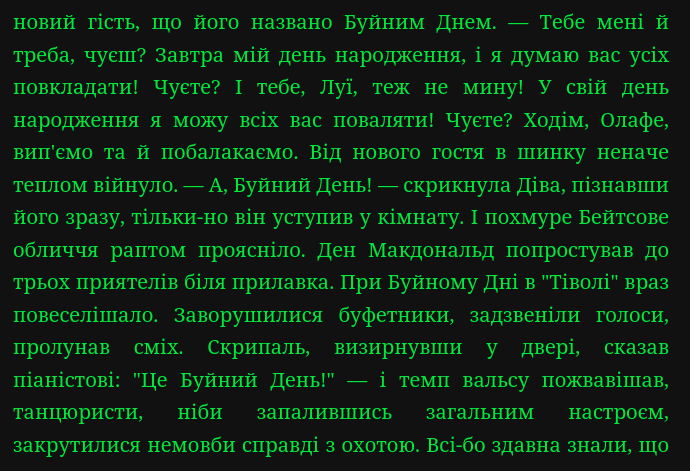 Fully merged text |
This feature is highly useful if text with broken word wrapping is accidentally added, or to fill the reading screen with text to reduce blank space, which may be needed depending on the situation.
Optimized Content Delivery Architecture (Post-and-Comments Pattern):
In response to technical request timeout limitations, we have introduced a new approach for publishing large volumes of data:
Main Post: Contains the foundational block of content.
Comment Blocks: Subsequent data segments are uploaded as "comments" to the main post.
Result: Instead of waiting in a queue for up to 5 minutes per block to publish, it takes only about 6-7 seconds per comment block. This helps avoid system timeouts and ensures stable operation regardless of the publication's size.
Overall, this enables a scenario where instead of waiting 5 minutes after publishing the first post, subsequent blocks can be added immediately as comments.
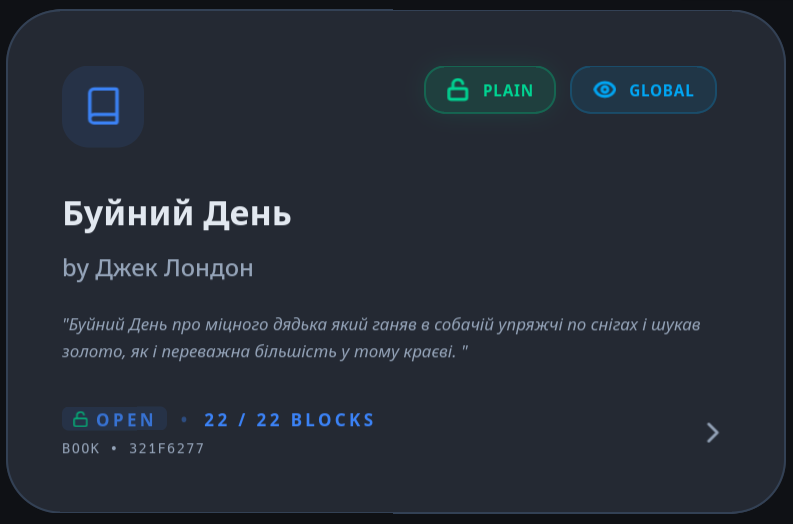
For example, when publishing Jack London's book "Burning Daylight" (translated into Ukrainian) to the blockchain, the comparison looks as follows in the table:
Optimized Comparison of Publishing Methods
| Parameter | Method 1: Posts Only | Method 2: Post + Comments |
|---|---|---|
| Data per block (bytes/bits) | 55,000 (nearly identical size for all, except the last one) | First block: 55,000 Next 21: up to 15,500 |
| Number of blocks | 9 blocks | 22 blocks (1 main + 21 comments) |
| Ideal time (exact timing) | 40 min (8 intervals of 5 min) | 1 min 45 sec (21 intervals of 5 sec) |
| Time via publishing system (real, including delays) | ~40–42 min (minimal impact of delays compared to the 5-minute wait) | ~2–3 min (network overhead for broadcasting and confirming 22 transactions) |
Therefore, despite having a larger number of blocks, it is significantly faster to publish using the comment-filling method. The only minor trade-off is either manually confirming the transactions 22 times via Keychain, or configuring it to auto-approve.
Please support this post:
@hungry-griffin
@steemcurator01