The “zombie” sea cucumber

The “zombie” sea cucumber
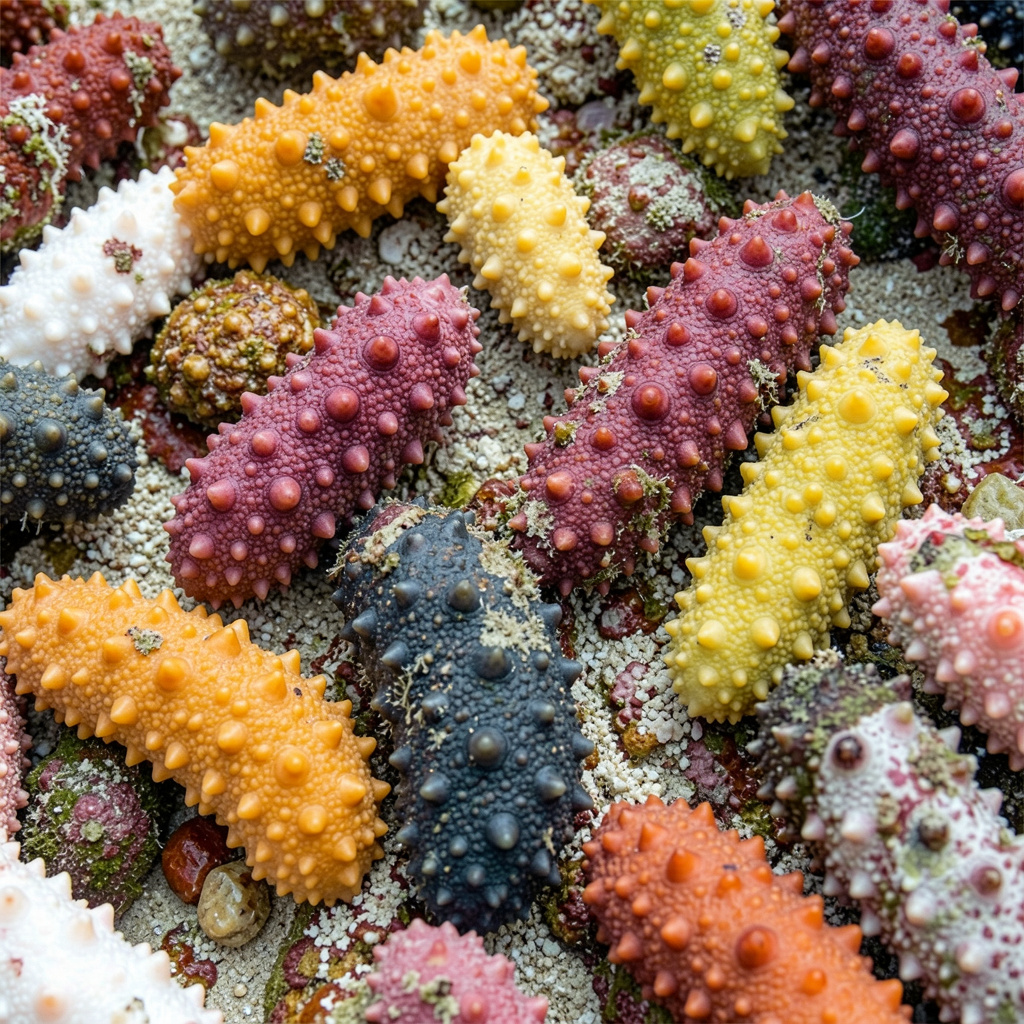


A sea cucumber is a worm-shaped animal, although they are not worms, they are echinoderms, they are directly related to the sea stars and sea cucumbers and like the latter, some species, about 80 of sea cucumbers, out of a total of about 1700 known, there may be many more yet to be discovered, since there are 80 that are consumed and in fact in Japan they are part of their traditional dishes.
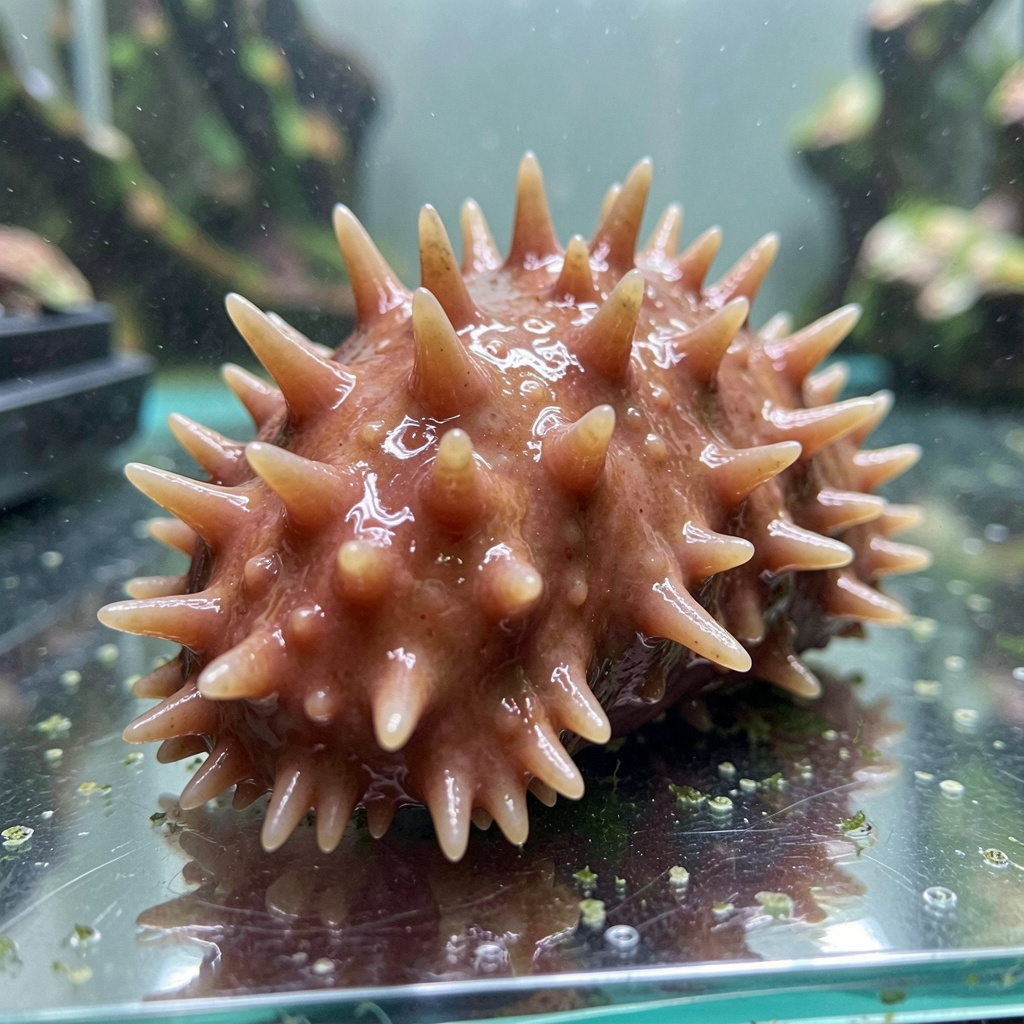

But in a laboratory at the University of Canada, there was a remnant, a piece of meat from a sea cucumber, specifically from the species Fosolus Fabrichhi, which lives in cold waters of the Atlantic and the Arctic, the typical ones that bathe the coast. eastern Canada, what happened next was surprising.


Perhaps it was due to carelessness or because the person in charge of cleaning the tank thought that a simple piece of meat or tissue left in the tank with natural seawater that is full of microbes and bacteria, is the same that we swallow when we bathe at the beach, and that that piece of meat would end up decomposing in a matter of days, as is logical and normal and the matter is resolved. But that's not what happened, the truth is that the piece of meat stayed there not just for days, but for weeks, until someone discovered it, and instead of scolding the cleaning person, he realized that something strange was happening with that piece of sea cucumber, that's what it means to have a scientific mind.


Not only had that piece of meat not rotted with the typical bacteria in water, but it was still alive, it had healed itself and maintained itself autonomously, it was still a piece of fresh meat. The researchers decided to leave it longer to see what would happen and months and finally years passed and the piece of cucumber meat was still as fresh as at the beginning it was resisting dying, in fact, it is still alive at the time of publishing this article.


The investigation continues and there are no signs that the cells in the piece of meat are dying, this leads us to two surprising conclusions. The first, if your parents tell you to clean something and you forget to finish the work, you can always say that you are doing an experiment like at the University of Canada. And the second and most important conclusion, of course, that piece of meat was immortal.


But how is it possible? Because we are faced with a very curious paradox, the sea cucumber is not immortal, it ages and dies, but if you cut a piece of its meat, that piece of meat will continue to live indefinitely in its natural environment. This paradox is what has baffled the scientists who are investigating the case and suspect that it opens a line of research that may provide clues for treatment in humans.


Sea cucumbers are quite simple beings, yes, but they are animals like us, they do not have a brain, but they have a nervous system, and the brain is perhaps very overrated if we see some that succeed on social networks and on television.


Another thing in common with humans is that, although not all species of sea cucumber have sexual reproduction, in particular they do, for this reason we would have that the life of a sea cucumber would be something like this, it is born, it grows, cucumber and cucumber meet at a party, and then the cucumbers come out, it ages and dies. The average lifespan of sea cucumbers is between 5 to 10 years, although well, this specific species is one of the longest-lived, it can live up to 30 years.


The story of the discovery is strange, but the investigation is much more complex. Upon discovering that piece of meat that was still alive, what the team of researchers led by Sara Jobson did was cut small pieces of different tissue, epidermis, that is, the skin, neural tissue, that is, the nervous system of the sea cucumber and muscular system, what we understand by meat. Then they were placed in dishes with normal, non-sterile seawater, typical water, and they were They dedicated themselves to observing what was happening.


And something extraordinary happened, in three days the cut wounds closed, in 6 days there was a tissue reorganization of the muscle cells, that is, they regenerated, the connective tissue grew. After months, the tissue and flesh turned into small spheres of pigment. More than 3 years later they were still alive and active and without signs of aging or death.


What the tissues did was directly absorb nutrients from the sea water. They also showed immune activity, that is, if a bacteria attacked them, they defended themselves against those microorganisms. There was also cell division because the tissue seems immortal, but the cells do not. The cells continued their more or less normal evolution and ended up dying over time, but first they divided, producing new cells. In fact, in some cases the tentacles, the area that was cut off from the tentacles, even after years continued to respond to touch by moving.


And be careful, these pieces do not become new cucumbers, they maintain a kind of autonomous life. That is why to say that they are immortal, perhaps the most fair thing would be to say that they are like zombies, they are similar to those zombie movies where, for example, they cut off the zombie's hand and the hand continues to move even though the zombie had been destroyed by fire, for whatever reason, it is surprising.


Sorry for my Ingles, it's not my main language. The images were taken from the sources used or were created with artificial intelligence
