Robots with empathy

in Popular STEM3 hours ago

Robots with empathy


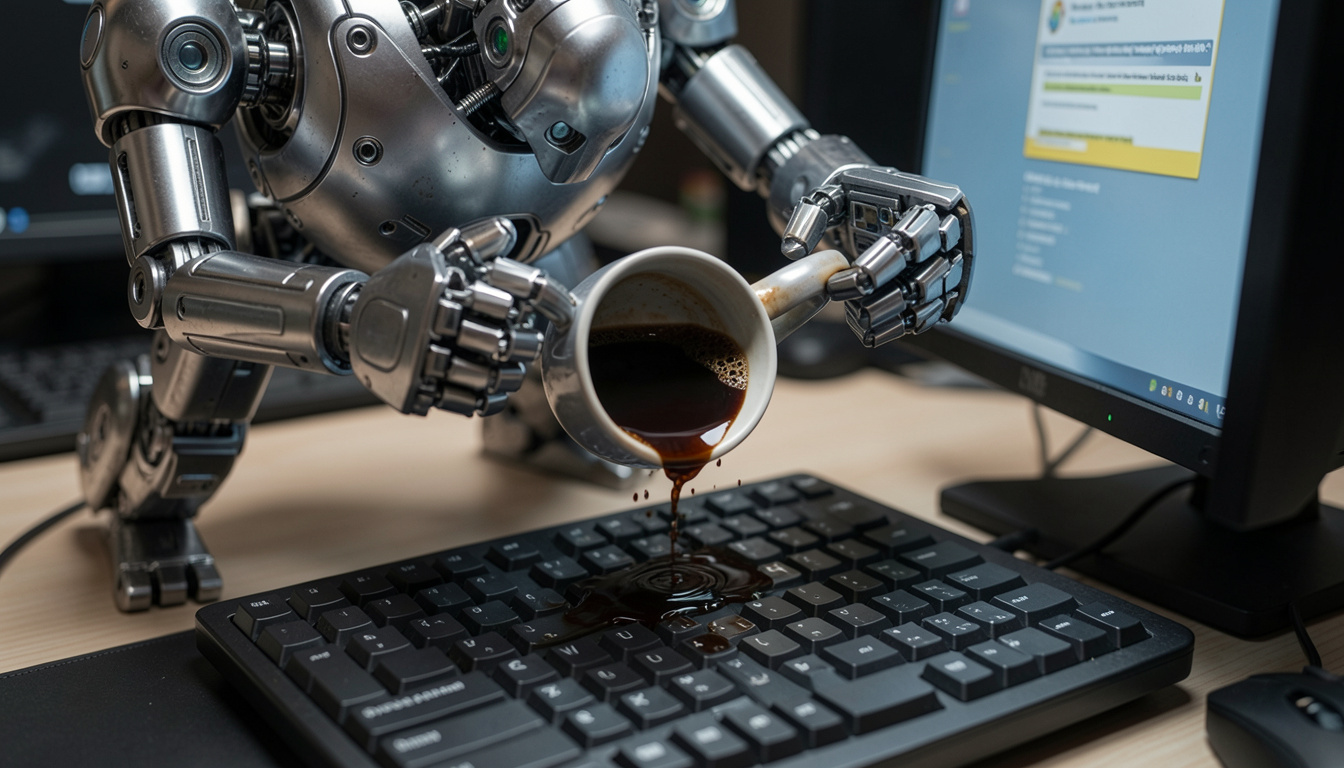
Imagine a domestic robot spilling a cup of coffee on your laptop: instead of remaining silent, it acknowledges the mistake, senses your frustration, apologizes politely, and tailors its words to your emotional state. While this may seem like a major breakthrough for artificial intelligence, there is a problem: however convincing the apology might be, it does not fix the computer.


A recent study illustrates precisely this paradox: machines are learning to appear empathetic, but that does not mean they have earned people's trust. As robots begin to enter homes, hospitals, and workshops, researchers are realizing that strength and precision are not enough; it is necessary to develop machines capable of understanding social situations.


This was precisely the aim of a study conducted by the University of Melbourne, which used visual-language models to interpret social expressions *in situ*—taking into account the entire context surrounding the user—rather than simply analyzing a person's face; the system observes the arrangement of objects in the scene, movements, and the specific situation in which the interaction takes place.


This approach enabled artificial intelligence to identify emotional states with far greater precision than conventional methods, bringing its interpretations closer to assessments made by human observers; to test the impact of this behavior, researchers programmed a robot to make errors during simple tasks and then offer various types of apologies.


Most participants preferred personalized responses that better acknowledged the emotional context; however, when volunteers were asked about their trust in the robot, an unexpected result emerged. Likability increased, yet perceived credibility remained virtually unchanged—a result stemming from the crucial distinction between understanding emotions and successfully executing a task.


An algorithm may recognize signs of frustration, adapt its language, and display politeness, but if it continues to fail at its core function, trust quickly evaporates. The study demonstrates that the next generation of robots will not rely solely on AI capable of better conversation; before winning our empathy, these machines must prove they can fulfill their primary mission: executing tasks safely, precisely, and reliably.


After all, in the real world, an apology is never worth more than a job well done.


Sorry for my Ingles, it's not my main language. The images were taken from the sources used or were created with artificial intelligence