Scientists manage to transform corn into plastic, inspired by spider silk/Científicos logran transformar el maíz en plástico inspirándose en la seda de araña
Source
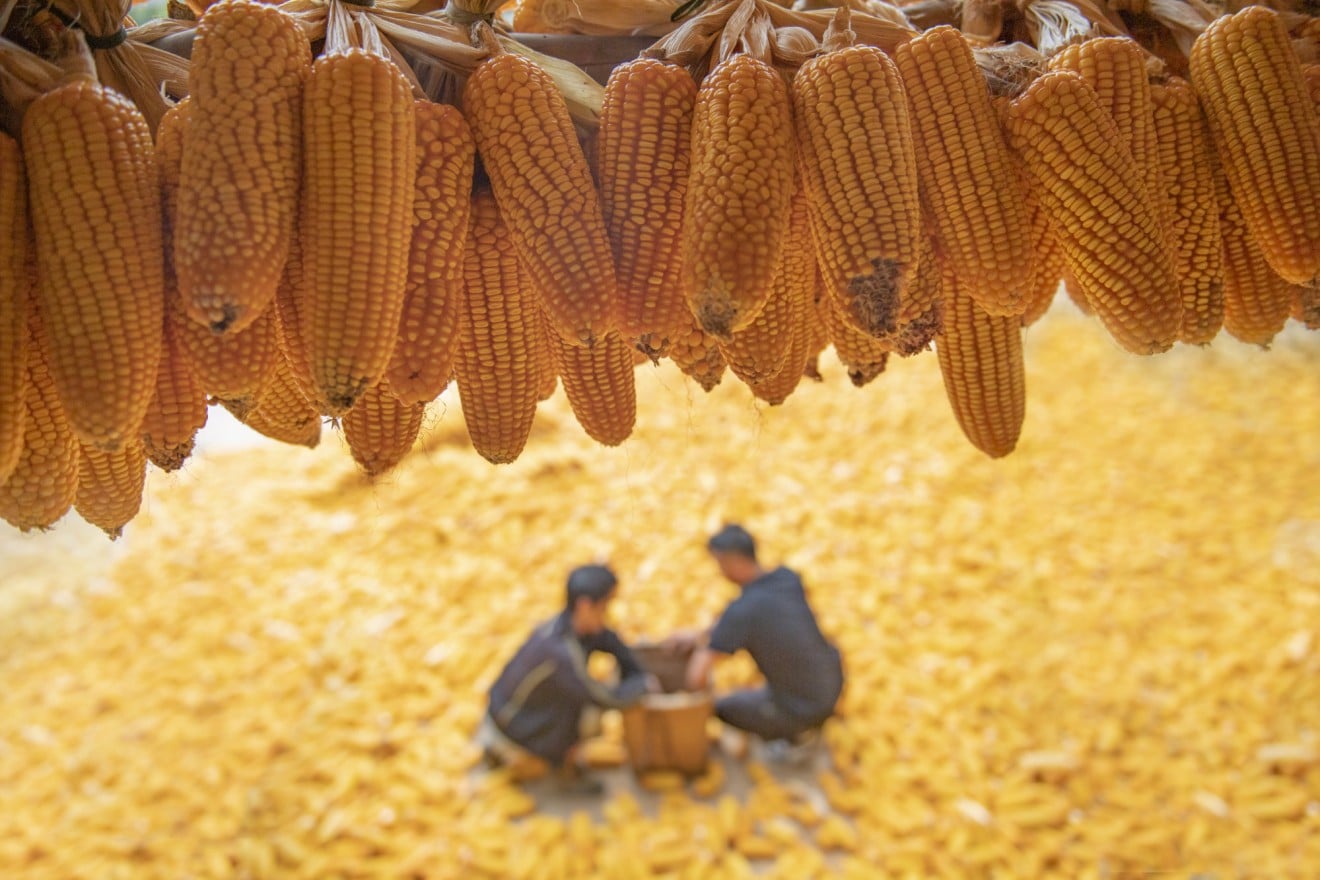
We are all very aware of how harmful plastics are to the environment, but the fact is that plastic is ubiquitous, cheap, and highly versatile makes it difficult to eradicate its widespread use. The solution lies in finding a plastic that offers all the benefits of its petroleum-based counterpart without its drawbacks. This is precisely the goal of a team of Dutch and Chinese researchers who have developed a new material called "plantimer" from corn protein, mimicking the process spiders use to produce their silk.
Ya todos somos muy conscientes de lo dañinos que son los plásticos para el medio ambiente, pero resulta que el plástico es universal, barato y muy versátil, por lo que no es tan fácil erradicar su uso masivo por parte de la población. La solución tiene que pasar por encontrar un plástico que tenga todas las utilidades del derivado del petróleo pero sin sus contraindicaciones. Precisamente eso es lo que pretende un equipo formado por investigadores holandeses y chinos que ha desarrollado un nuevo material llamado "plantímero" a partir de la proteína del maíz, imitando el proceso que usan las arañas para producir su seda.
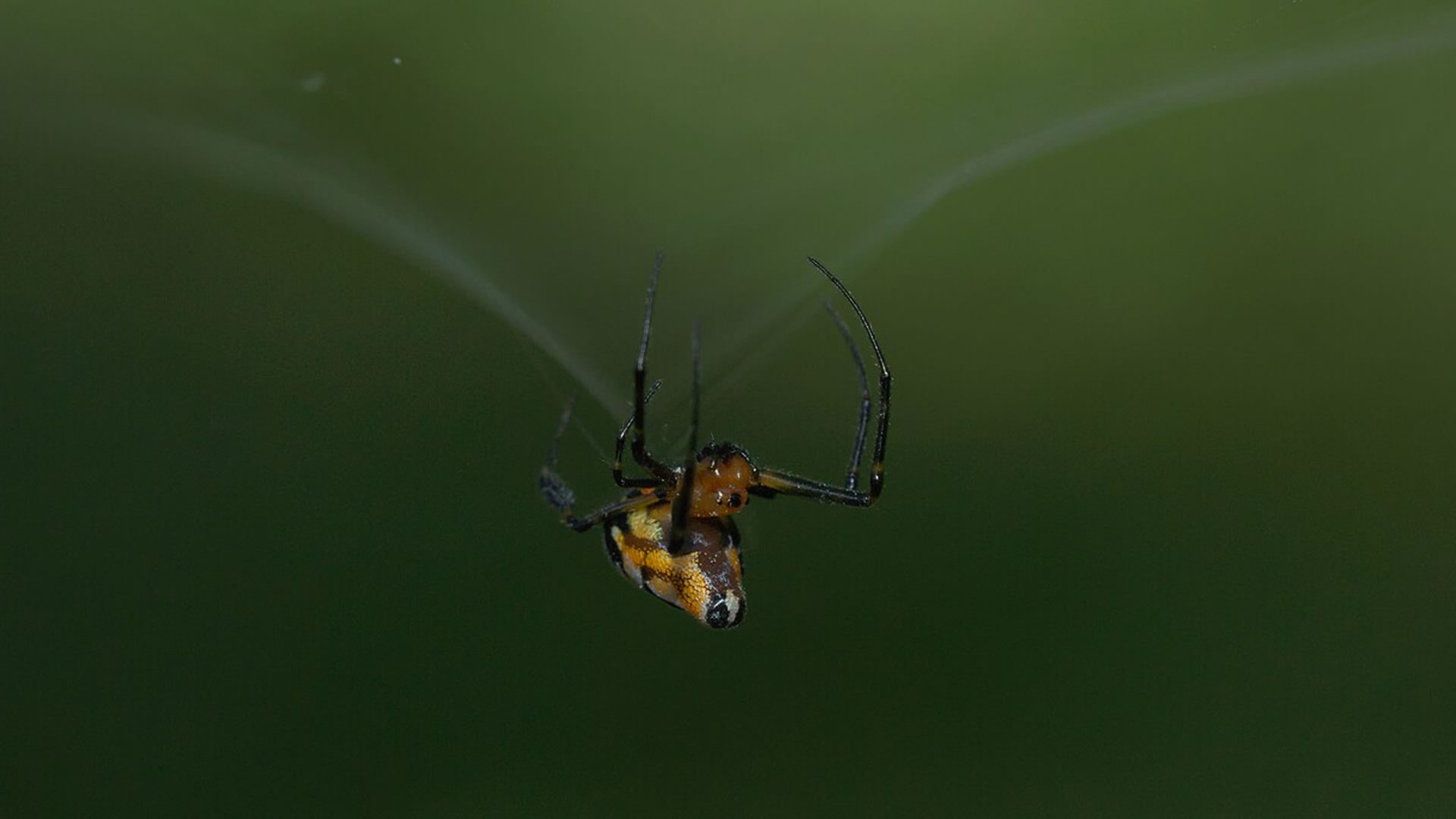
The team focused on zein, a protein that makes up 40% to 50% of the protein in corn. It's a byproduct of corn processing and ethanol production, making it renewable and abundant. The key to the breakthrough lies not only in the source material but also in how they process it to overcome the limitations of current bioplastics, such as their weakness or brittleness. The process is inspired by spider silk, a natural material with an exceptionally strong and elastic structure. When a spider spins its web, its body precisely controls factors like acidity and protein alignment to create a robust molecular structure.
El equipo se centró en la zeína, una proteína que constituye entre el 40% y el 50% de las proteínas del maíz. Es un subproducto del procesamiento del maíz y la producción de etanol, lo que la hace renovable y abundante. La clave del avance no está solo en el material de origen, sino en cómo lo procesan para superar las limitaciones de los bioplásticos actuales como ser débiles o quebradizos. El proceso se inspira en la seda de araña, un material natural con una estructura excepcionalmente resistente y elástica. Cuando una araña teje su tela, su cuerpo controla con precisión factores como la acidez y la alineación de las proteínas para crear una estructura molecular robusta.
Source
Scientists replicated this approach at the molecular level. Instead of processing zein like a conventional plastic, they "weave" it by mimicking a spider's web. This method rearranges the corn protein molecules, causing them to align and bond much more strongly. The new material stands out for several promising properties; the resulting "plantimer" is durable and acts as an excellent barrier against water and oxygen, which is crucial for applications such as food packaging.
Los científicos replicaron este enfoque a nivel molecular. En lugar de procesar la zeína como un plástico convencional, la "tejen" imitando a la araña. Este método reordena las moléculas de la proteína del maíz, haciendo que se alineen y unan con mucha más fuerza. El nuevo material destaca por varias propiedades que lo hacen prometedor, el "plantímero" resultante es resistente y actúa como una excelente barrera contra el agua y el oxígeno, lo cual es crucial para aplicaciones como el envasado de alimentos.
Unlike ordinary plastic that persists in the environment for decades, this material decomposes in the soil. Tests show that up to 80 percent degrades within a month. Furthermore, it does not compete with the food chain because it uses zein, a byproduct of industry, thus avoiding the use of corn intended directly for human consumption. This biopolymer can be used to manufacture fibers, thin sheets, and films, opening up a wide range of potential applications.
A diferencia del plástico común que persiste durante décadas en el medio ambiente, este material se descompone en la tierra. Las pruebas muestran que hasta el ochenta por ciento se degrada en el plazo de un mes. Además, no compite con la cadena alimentaria ya que Utiliza zeína que procede de un subproducto de la industria, por lo que no se emplea maíz destinado directamente a la alimentación humana. Con este biopolímero se pueden fabricar fibras, láminas delgadas y películas, lo que abre un abanico de posibles usos.

Source
This development could have a significant impact, potentially reducing dependence on oil by offering a renewable alternative to fossil fuel-derived plastics. It would obviously decrease plastic pollution, as its rapid biodegradation would help combat the problem of waste that persists for centuries in the environment. However, before we see products made from "plantimer" in supermarkets, researchers still need to overcome a number of challenges.
Este desarrollo podría tener un impacto significativo, podría reducir la dependencia del petróleo al ofrecer una alternativa renovable a los plásticos derivados de combustibles fósiles. Obviamente disminuiría la contaminación por plásticos ya que su rápida biodegradación ayudaría a combatir el problema de los residuos que persisten durante siglos en el medio ambiente. Sin embargo, antes de que podamos ver productos hechos de "plantímero" en el supermercado, los investigadores todavía deben superar una serie de retos.
The major challenge is scaling up the successful laboratory process to large-scale industrial production. It's necessary to verify how the material behaves over time and its resistance to factors like heat and light. It will also be crucial to ensure that sufficient zein can be obtained without negatively impacting other industries or the corn value chain. Therefore, although years of research and development are still needed before it becomes a commercial reality, its properties make it a very strong contender to lead the future of materials.
El gran desafío es trasladar el exitoso proceso de laboratorio a una producción industrial a gran escala. Es necesario comprobar cómo se comporta el material con el paso del tiempo y su resistencia a factores como el calor y la luz. Habrá que asegurar que se puede obtener suficiente zeína sin que ello tenga un impacto negativo en otras industrias o en la cadena de valor del maíz. Por todo ello, aunque todavía quedan años de investigación y desarrollo para que sea una realidad comercial, sus propiedades lo convierten en un candidato muy serio para liderar el futuro de los materiales .
More information/Más información
https://phys.org/news/2026-05-spider-silk-corn-protein-tougher.html
Turning leftovers from corn processing into something useful is a smart move. The concept of "weaving" the plant proteins so they behave like spider silk—making it tough instead of brittle—is brilliant. It actually makes sense. Plus, having a wrapper that rots away in the dirt within a month instead of sitting in a landfill for the next five hundred years is a massive win.
But let’s be real for a minute. We've seen this kind of "miracle material" story pop up a million times before, and usually, it just vanishes. The real test is always the money and the scale. It's easy enough to make a perfect little sheet of "plantimer" in a fancy lab with a team of top researchers watching over it. It is a completely different ball game to manufacture millions of tonnes of the stuff in a factory without the costs going through the roof.
If this is ever going to replace the cheap oil-based plastic in our local supermarkets, it needs to be just as cheap to make. Otherwise, big companies won't care. I really hope they figure it out because the planet is drowning in plastic waste, but I’m keeping my expectations firmly on the ground until I actually see my supermarket shopping wrapped in it. Cool post, thanks for sharing.
Who would have thought - corn leftovers could mimic spider silk? Zein, a protein found in what we usually discard, gets twisted into strong threads like nature intended. Instead of breaking easily, this new material holds up well yet vanishes fast: most of it gone within four weeks. Food crops stay untouched, fields keep feeding people. A big step forward quietly happens right here. Scaling feels inevitable now.