For the first time, organic molecules have been detected in an interstellar object.
For the first time, organic molecules have been detected in an interstellar object.
Souce
Souce
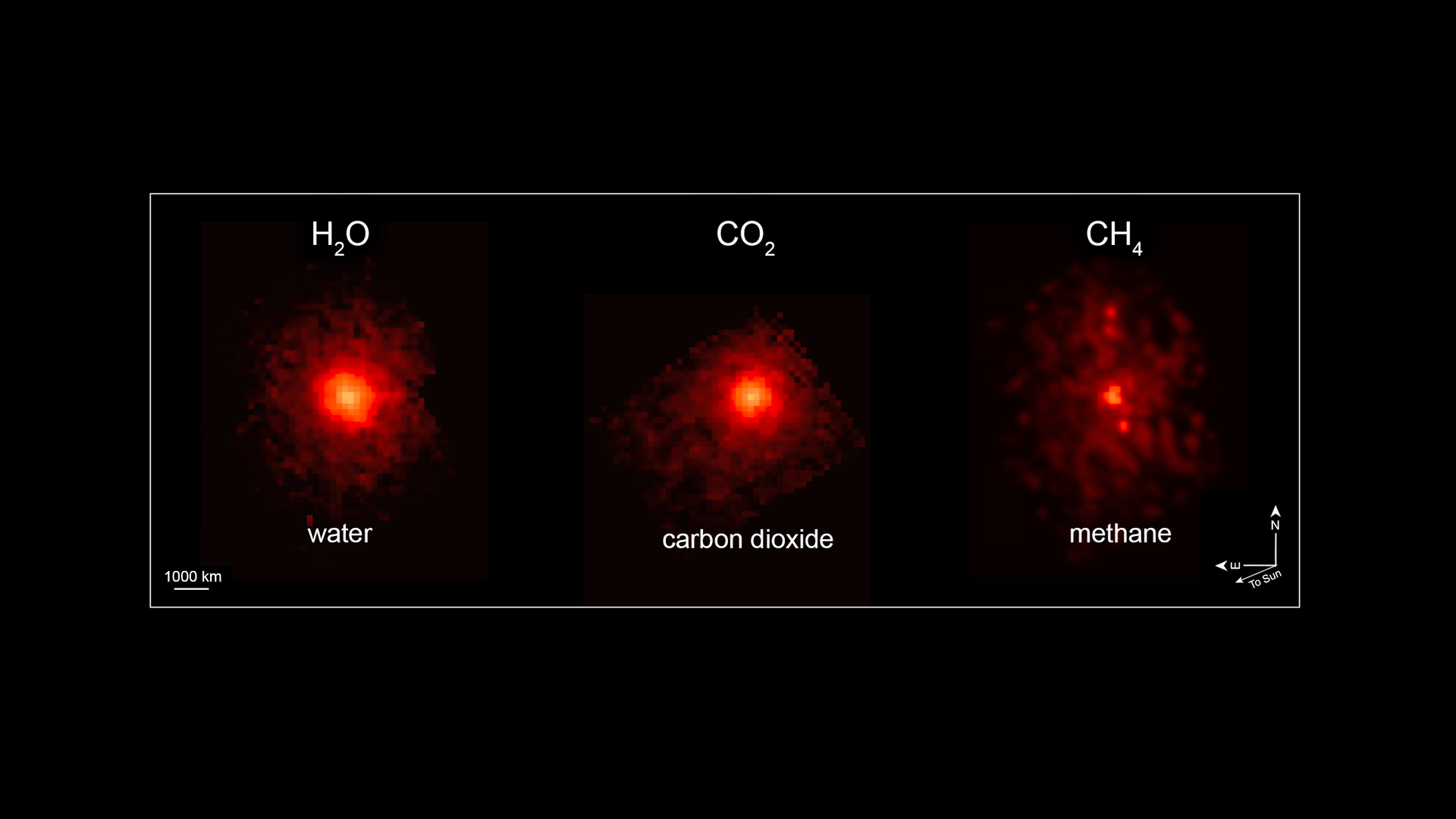
Because they move so fast, they cannot be captured by a star’s gravity, and this characteristic is one of the first things that distinguishes them from comets and asteroids in the solar system, which move more slowly and are trapped by the Sun’s gravity. The discovery of methane marks the first time it has been detected in an interstellar object, confirming that 3I/ Atlas is much more diverse and complex than the other two interstellar objects identified to date.
The first, 1I/ʻOumuamua, whose nature remains a subject of debate, is an enigma, but one that could be, according to various theories, anything from a solid object containing metals but also some ice, to a water-rich hydrogen comet or a block of pure nitrogen, or even extraterrestrial space debris such as a solar sail—a theory put forward by Harvard professor Abi Loeb— and while some explanations sound more plausible and others more fantastical, the truth is that currently none of them fully explains the behavior of 1I/ʻOumuamua; it remains an open case, a unicorn that is now rapidly moving away from us. Perhaps in the future, a new interstellar object will provide the solution to the enigma of 1I/ʻOumuamua.
The second interstellar object detected, 2I/Borisov, did not provide us with the answer; everyone agrees that it was a normal comet—a comet about 500 meters in diameter composed of ice—and that it behaved like a typical comet. However, 3I/Atlas, although it also behaved like a comet with its coma of gas and dust, which in fact has never allowed us to see its actual nucleus—I say this because there are many images out there created with artificial intelligence that seem to show its nucleus, but we’ve never actually seen it; we can guess what it looks like, but we’ve never really seen it—and it also had a small tail, smaller than expected, and an antitail; yes, it also had an antitail, but the thing is, comets in the solar system also have antitails, and some antitails are enormous.
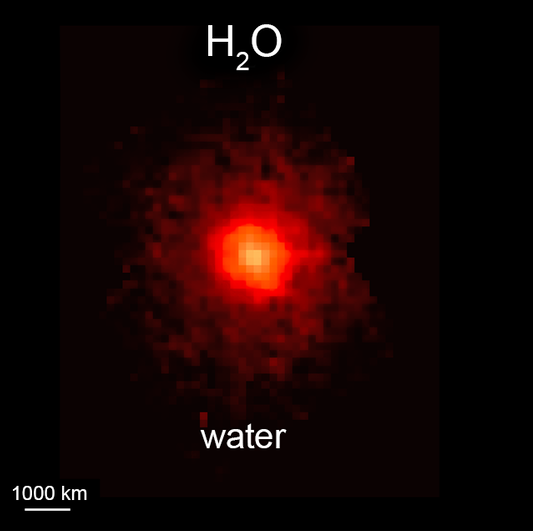
All these elements are typical of the comets we also see in the solar system, but what has turned out to be most interesting and enigmatic about 3I/Atlas is what it contains—the elements it’s made of—and the fact that we’re gradually discovering new elements, such as methane in this case. I’m sure there are still more elements to be discovered, and my personal bet is that they might be even more surprising.
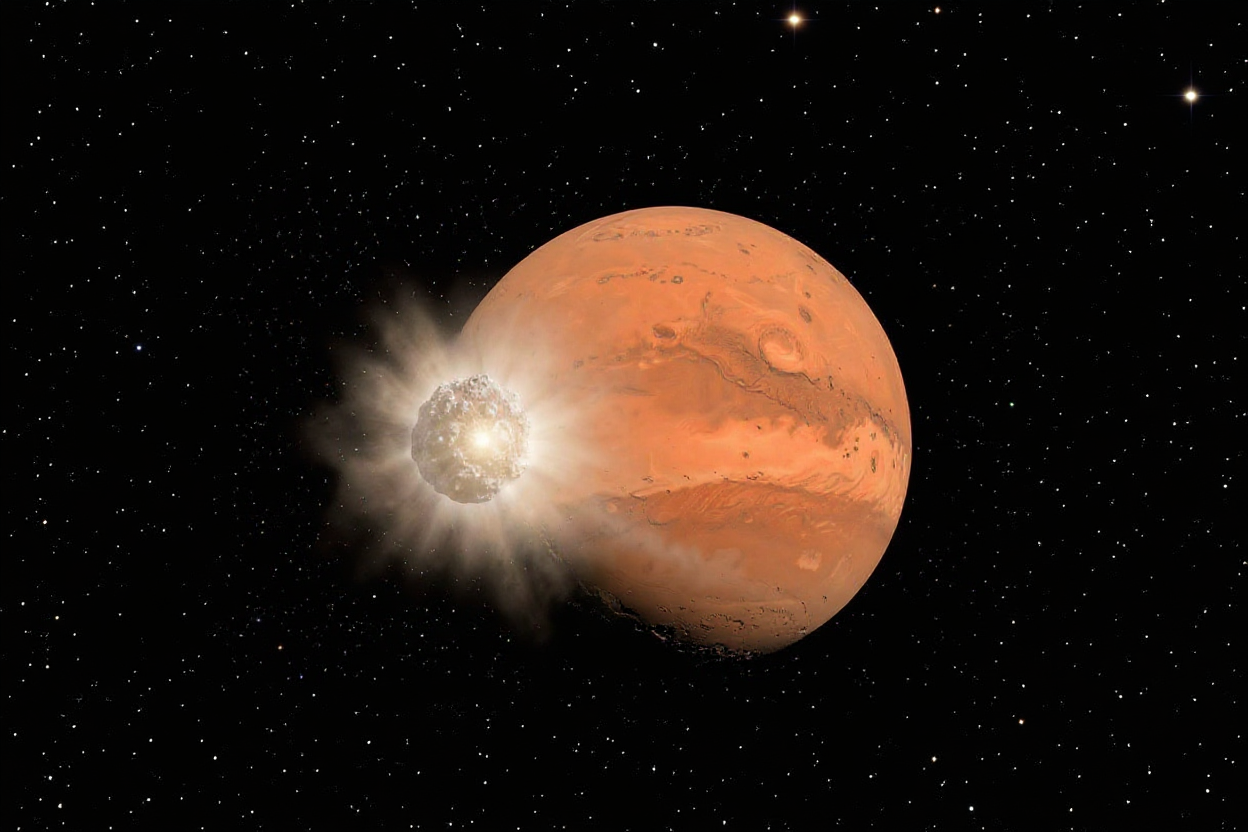
The images without reference were created with AI
Congratulations!
Your post has been selected and upvoted by the SteemPro Team 🚀
Explore more on SteemPro:
🌐 https://www.steempro.com
🎮 Play SteemHeights: https://www.steempro.com/games/steem-heights
💬 Join our Discord: https://discord.gg/Bsf98vMg6U
💪 Supporting the growth of the Steem ecosystem together.
🟩 Vote for witness faisalamin:
https://steemitwallet.com/~witnesses
https://www.steempro.com/witnesses#faisalamin
This is an automated message.