Risks of Scuba Diving
Risks of Scuba Diving
Scuba diving is an exciting and generally safe activity when done with proper training and equipment. However, like any adventure sport, it comes with certain risks that divers should understand and respect.
1. Major Physiological Dangers
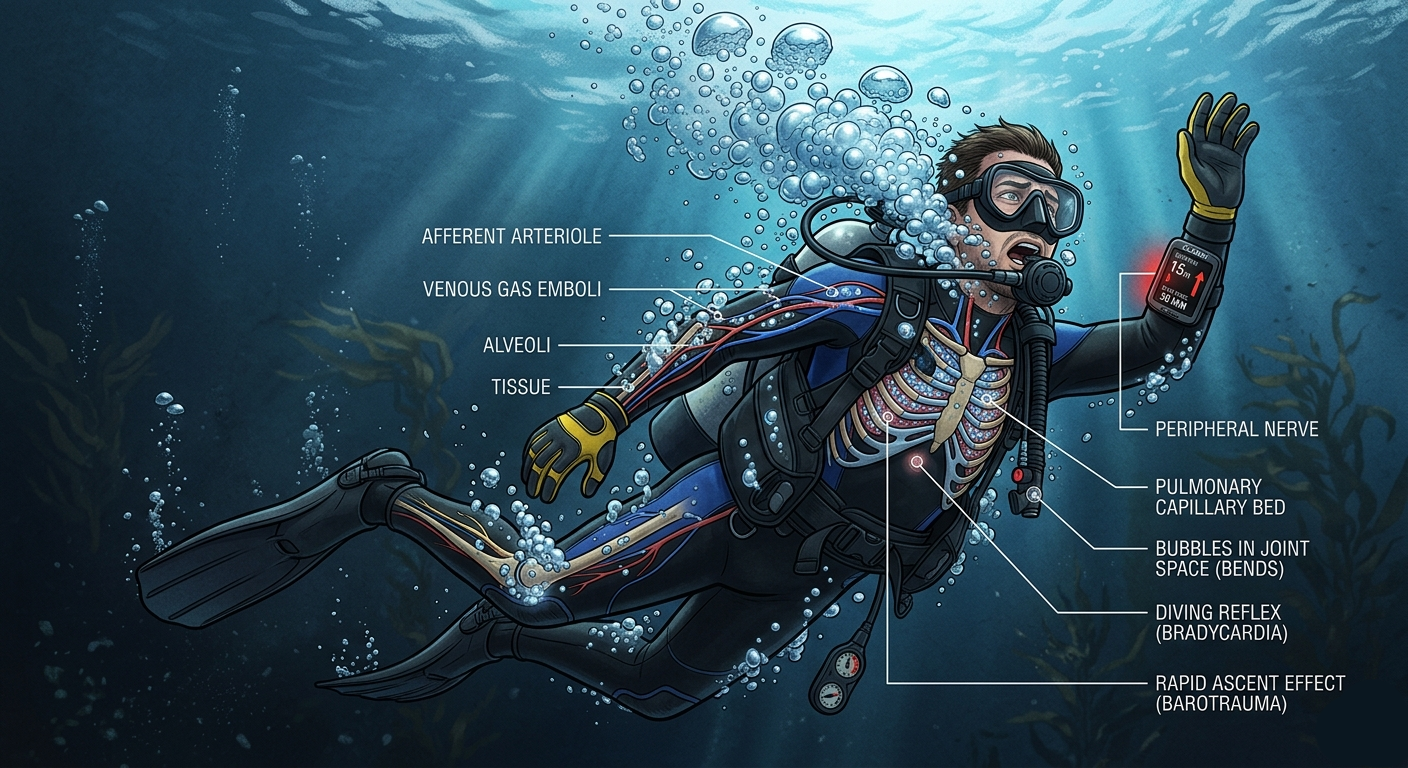
Decompression Sickness (“the bends”)
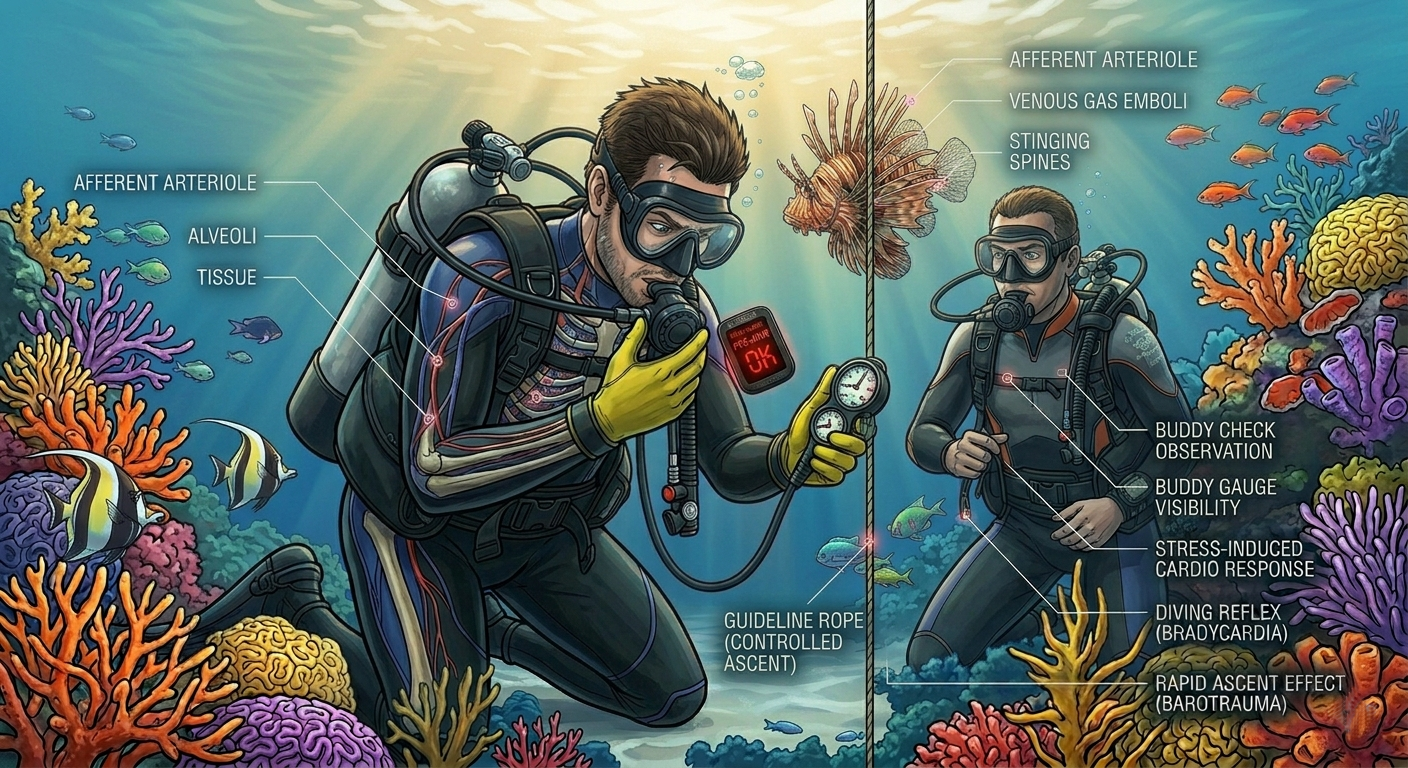
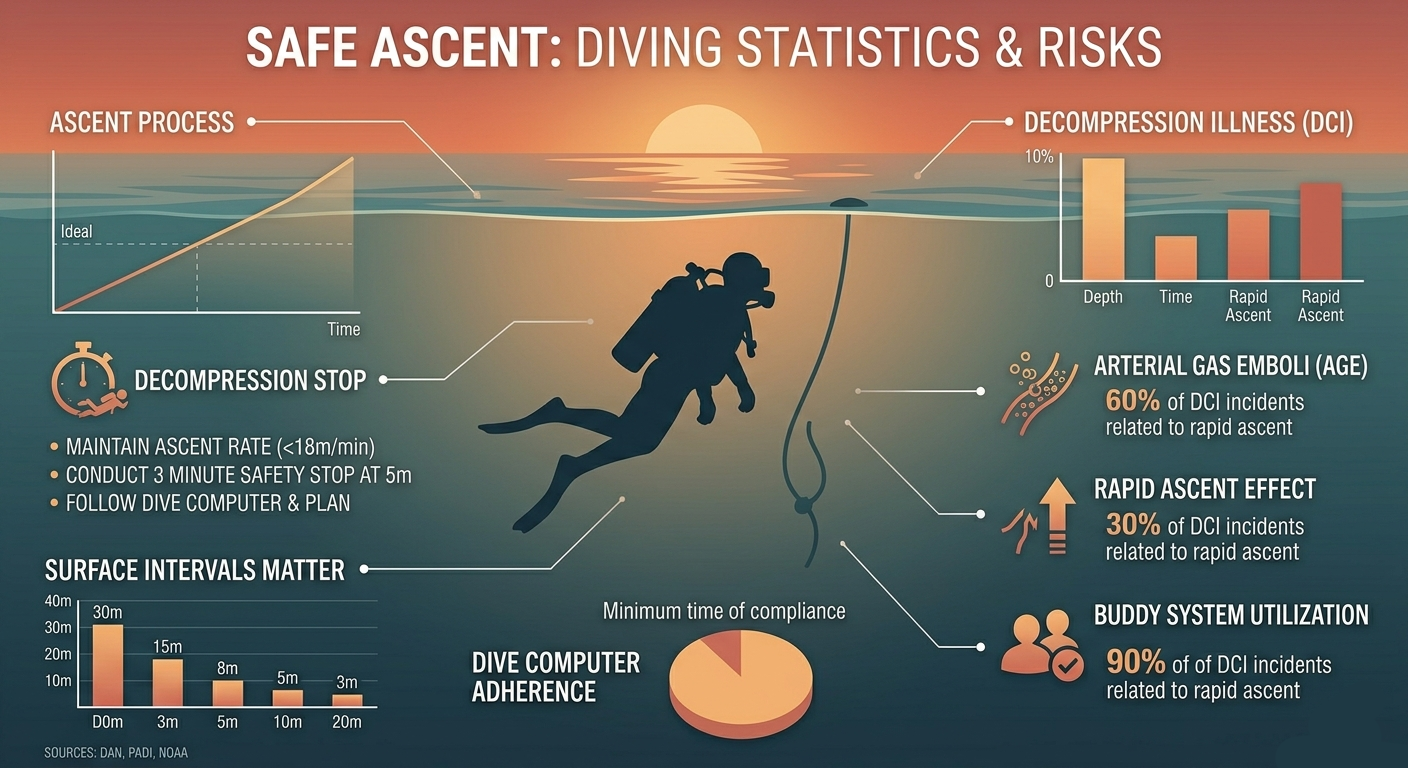
Rapid ascent can result in nitrogen bubble formation, which can cause severe pain, paralysis, or even death.
Arterial Gas Embolism
Holding your breath as you ascend can cause damage to the lungs and permit air to enter the bloodstream, which could result in a stroke or cardiac arrest.
Barotrauma of the lungs
During ascent or descent, pressure changes can harm the tissues of the lungs.
2. Other Physical Risks
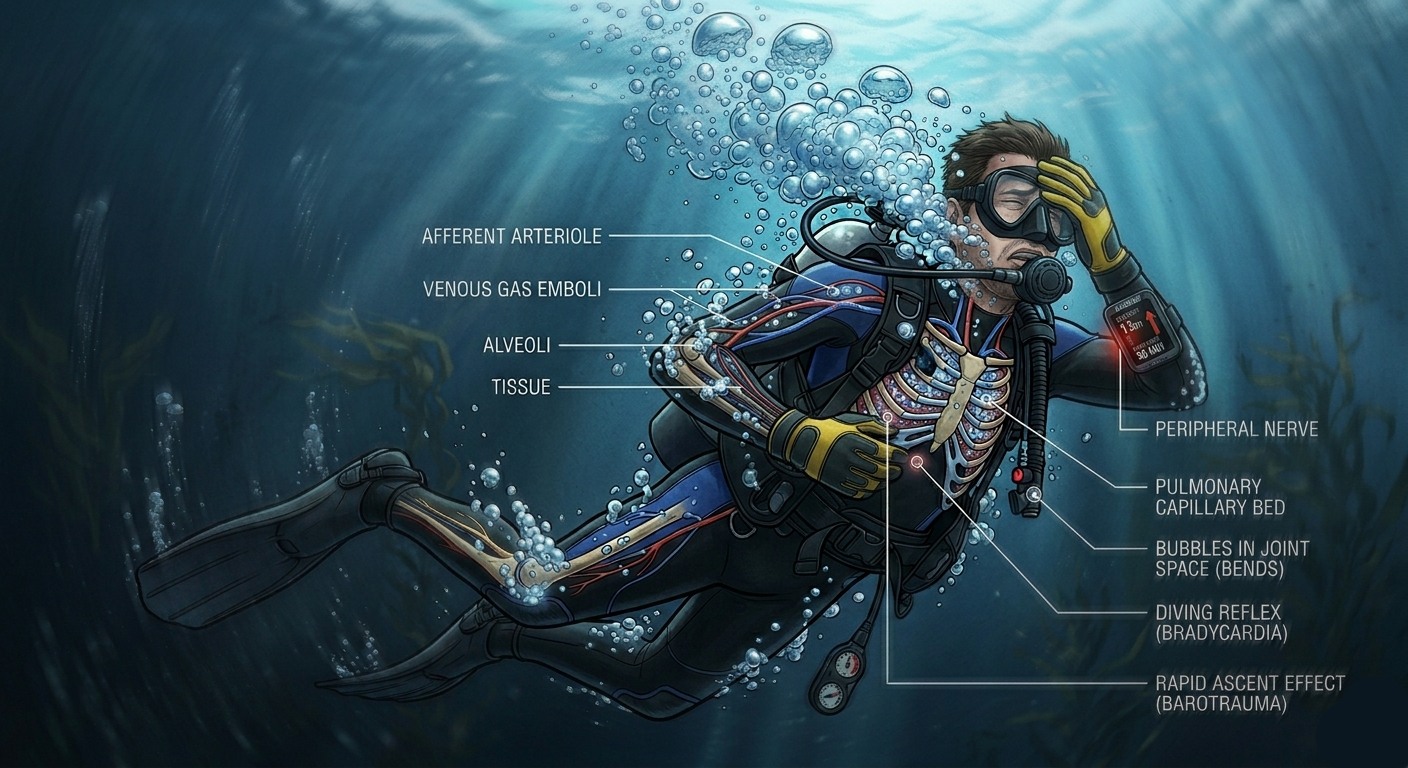
Nitrogen Dependence
Dizziness and mental impairment may occur at depths greater than 30 meters, similar to alcohol intoxication. Toxicity to Oxygen Excess oxygen pressure at depth can trigger seizures.
Barotrauma
Barotrauma of the ear and sinus Failure to equalize pressure may cause ear pain or even eardrum rupture.
Hypothermia
Long exposure to water—even warm water—can lower body temperature.
Drowning
Frequently occurs as a result of panic, equipment failure, or other problems. At depths beyond 30 meters, divers may feel dizzy or mentally impaired, similar to alcohol intoxication.
Oxygen Toxicity
Excess oxygen pressure at depth can trigger seizures.
Ear and Sinus Barotrauma
Ear pain and even a ruptured eardrum can occur if pressure is not evenly distributed. Hypothermia
Long exposure to water—even warm water—can lower body temperature.
Drowning
Often occurs as a result of panic, equipment failure, or other complications.
3. Risks to the Environment
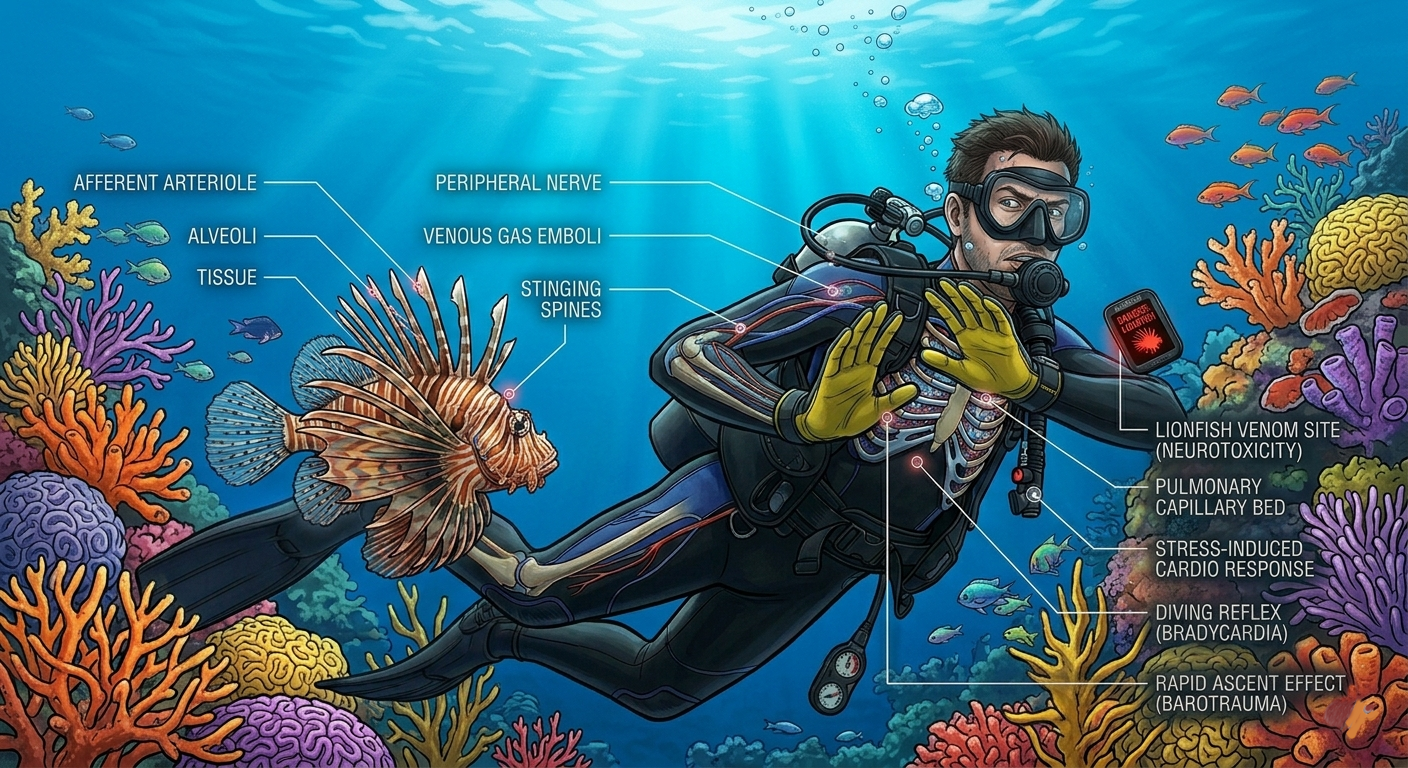
Dangerous marine life such as lionfish, jellyfish, or stonefish
rough sea conditions and strong ocean currents Entanglement in nets or underwater debris
Potential for propeller injuries or boat collisions
4. Human and Medical Factors
Pre-existing Health Conditions
Diabetes, asthma, heart disease, epilepsy, and pregnancy can all make diving more dangerous.
Negative judgment and panic
one of the most common reasons for diving accidents.
Equipment Failure
Regulator failure or a lack of air supply are two examples of issues that trained divers can handle.
5. How to Minimize Dangers
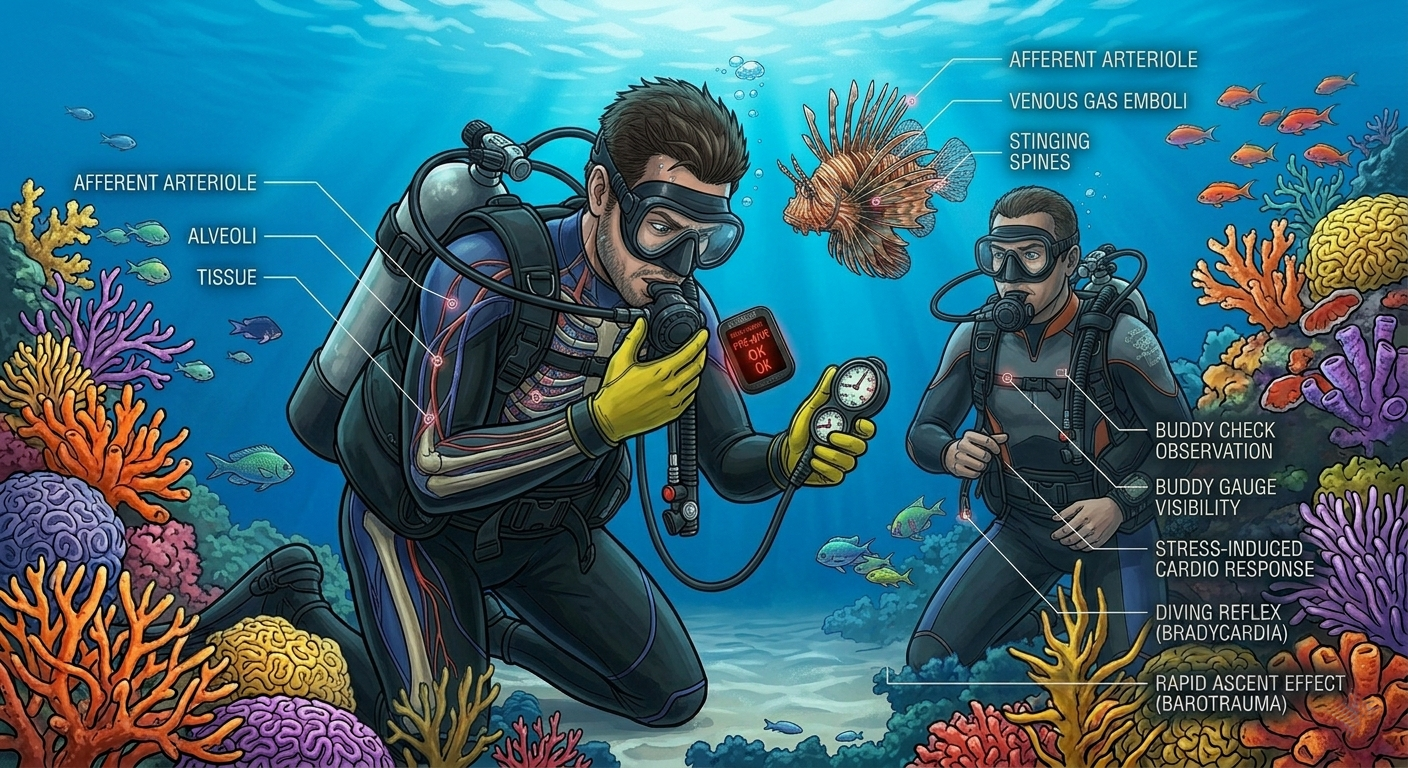
Obtain certification (SSI, NAUI, PADI)
Never hold your breath
Slowly ascend and make safety stops.
Always dive with a buddy
Plan your dive and examine your gear.
After diving, avoid flying for 12 to 24 hours.
Keep hydrated and don't drink alcohol.
6. Statistics
Similar to jogging or swimming, recreational scuba diving has a fatality rate of 1–2 per 100,000 dives, which is relatively low but not risk-free.
Conclusion
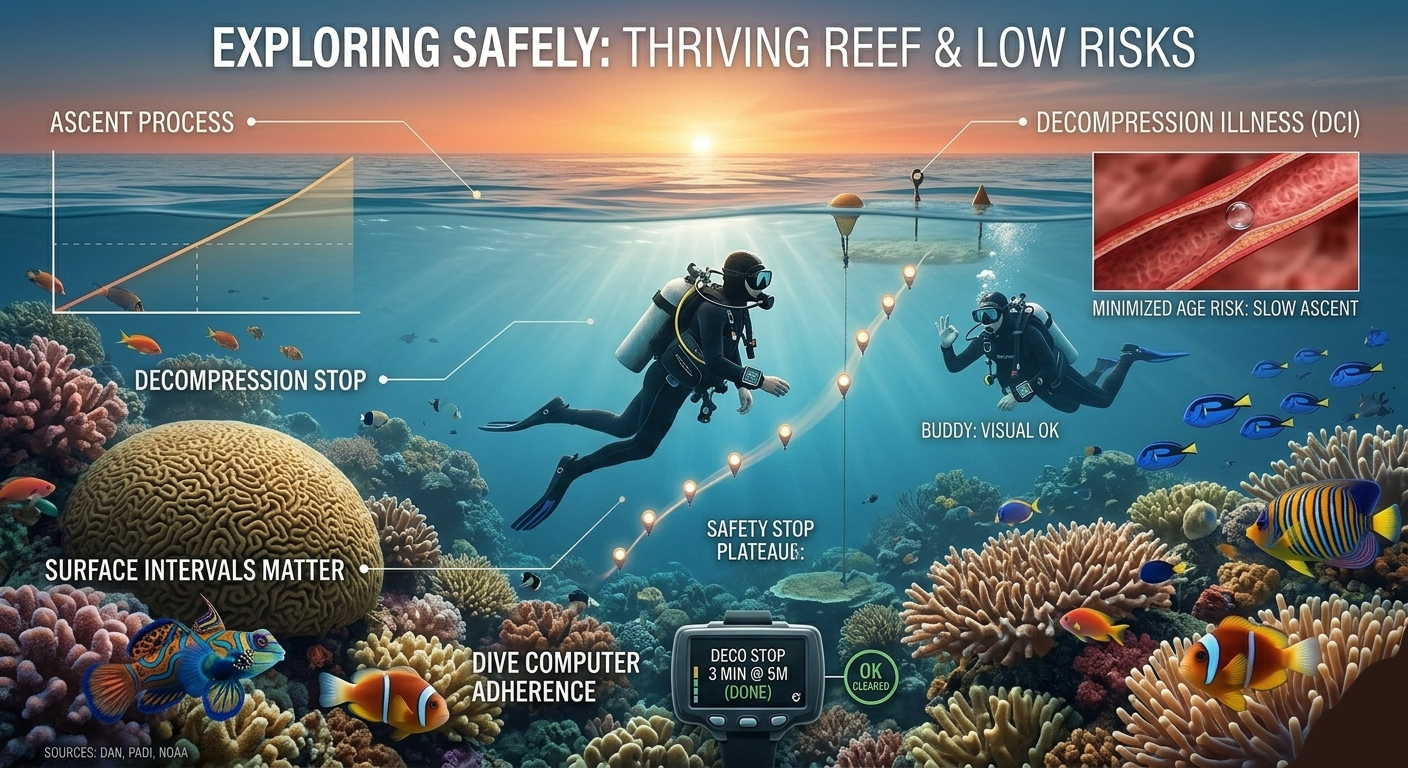
Scuba diving can be a safe and unforgettable experience if approached with proper knowledge, training, and respect for safety rules. Before beginning, you must undergo a medical examination and obtain professional certification.
Please friends don't do this your post is AI generated. Always follow the rules and write your own post.