When News Starts Feeling Like Fiction
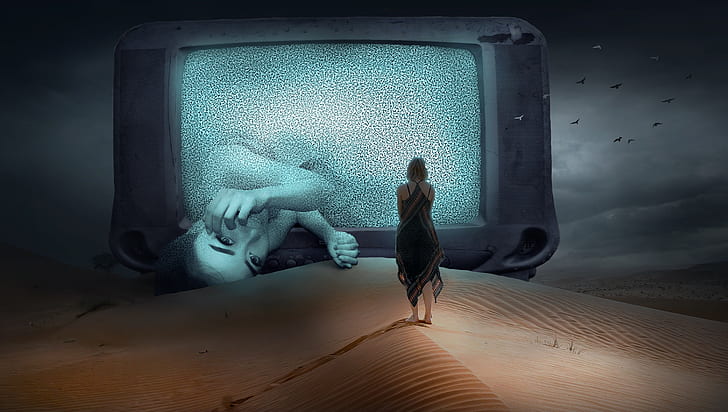
A few days ago, I was scrolling online and found a very long article about a possible war between Iran and Israel. At first glance, it looked completely real. The writing style was serious, there were political experts mentioned, statistics were added, and the article discussed different “future scenarios” for the Middle East. Honestly, for a few minutes I even thought these events had already happened.
But after reading carefully, something felt strange.
The article talked about huge military attacks, leadership assassinations, regional collapse, refugee crises, and even possible nuclear risks. The wording was so strong that it almost felt like reading a history book from the future instead of a normal opinion article. That made me realize something important about the internet today: sometimes information is presented in such a professional way that people stop questioning it.
This is becoming more common now. A lot of content online mixes analysis, imagination, prediction, fear, and politics together. The result is confusion. Some readers take hypothetical scenarios as real news, while others spread them further without verification. Within minutes, social media turns speculation into “breaking news.”
Personally, I think this is dangerous.
In countries like ours, many people already struggle to trust media. One dramatic headline can emotionally affect thousands of people. Some become anxious, some angry, and some start spreading panic without even checking the facts. I have seen people forwarding screenshots and articles in WhatsApp groups as if every word is confirmed reality.
The truth is simple: not everything written professionally is automatically true.
Before believing sensitive political or war-related news, we should always check multiple trusted sources. If something this massive really happened, then all major international media outlets would be covering it nonstop. Big world events cannot stay hidden anymore.
Another thing I noticed is how fear attracts attention online. Articles about war, collapse, crisis, or destruction get more clicks than calm discussions. Maybe that is why dramatic writing spreads faster than balanced reporting.
Still, I believe readers also have responsibility.
We should slow down, read carefully, and ask questions:
Is this confirmed?
Is it an opinion piece?
Is it a prediction?
Or is it simply written to create emotional reactions?
The internet gives us unlimited information, but wisdom is knowing what deserves our belief.
In the end, this experience reminded me that critical thinking is becoming more important than ever. In today’s digital world, sometimes the hardest thing is not finding information — it is finding the truth hidden inside it.
Congratulations!
Your post has been selected and upvoted by the SteemPro Team 🚀
Explore more on SteemPro:
🌐 https://www.steempro.com
🎮 Play SteemHeights: https://www.steempro.com/games/steem-heights
💬 Join our Discord: https://discord.gg/Bsf98vMg6U
💪 Supporting the growth of the Steem ecosystem together.
🟩 Vote for witness faisalamin:
https://steemitwallet.com/~witnesses
https://www.steempro.com/witnesses#faisalamin
This is an automated message.