Black Paper + Soft pastel Pencils - 2nd test


After the Black paper disaster I decided to search for a different black paper. There wasn't much available, not even the sketchbook with black paper I bought before. Instead of drawing a portrait I decided to go for a fish again to try out the pencils I have here.
I started with EP. These are pencils you can buy at AliExpress. They sell a package of 12 soft pastel pencils for portraits or landscapes.
I found two Bruynzeel pencils (red and white) which I used at the painting club.
The third pencils I tried out came in a set of 6 (portrait pencils in this case). Brand: Conté à Paris (sale at Gerstaecker.nl)
Lets start with what I ended, testing the three types of soft pastel pencils (blending included).
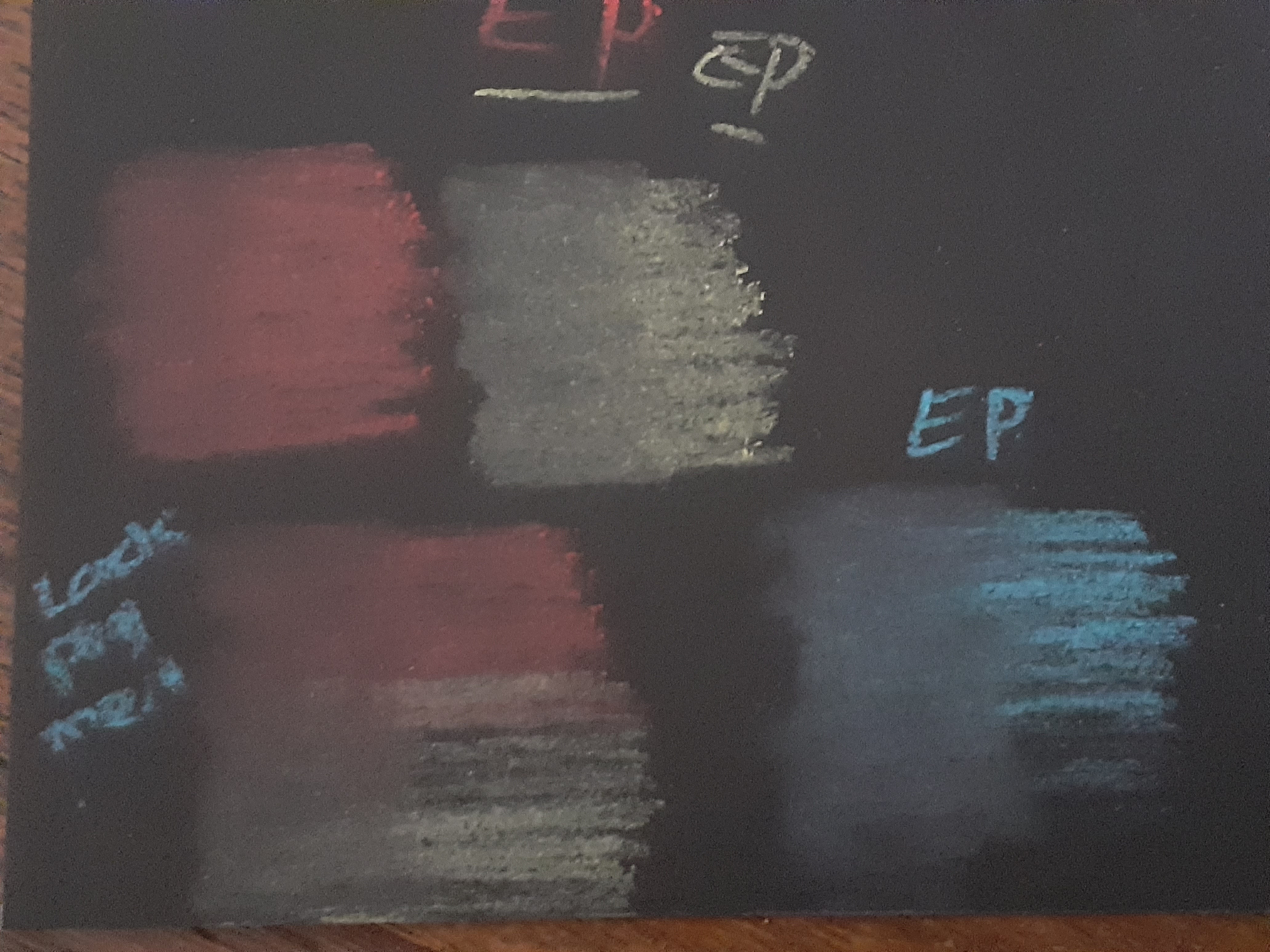
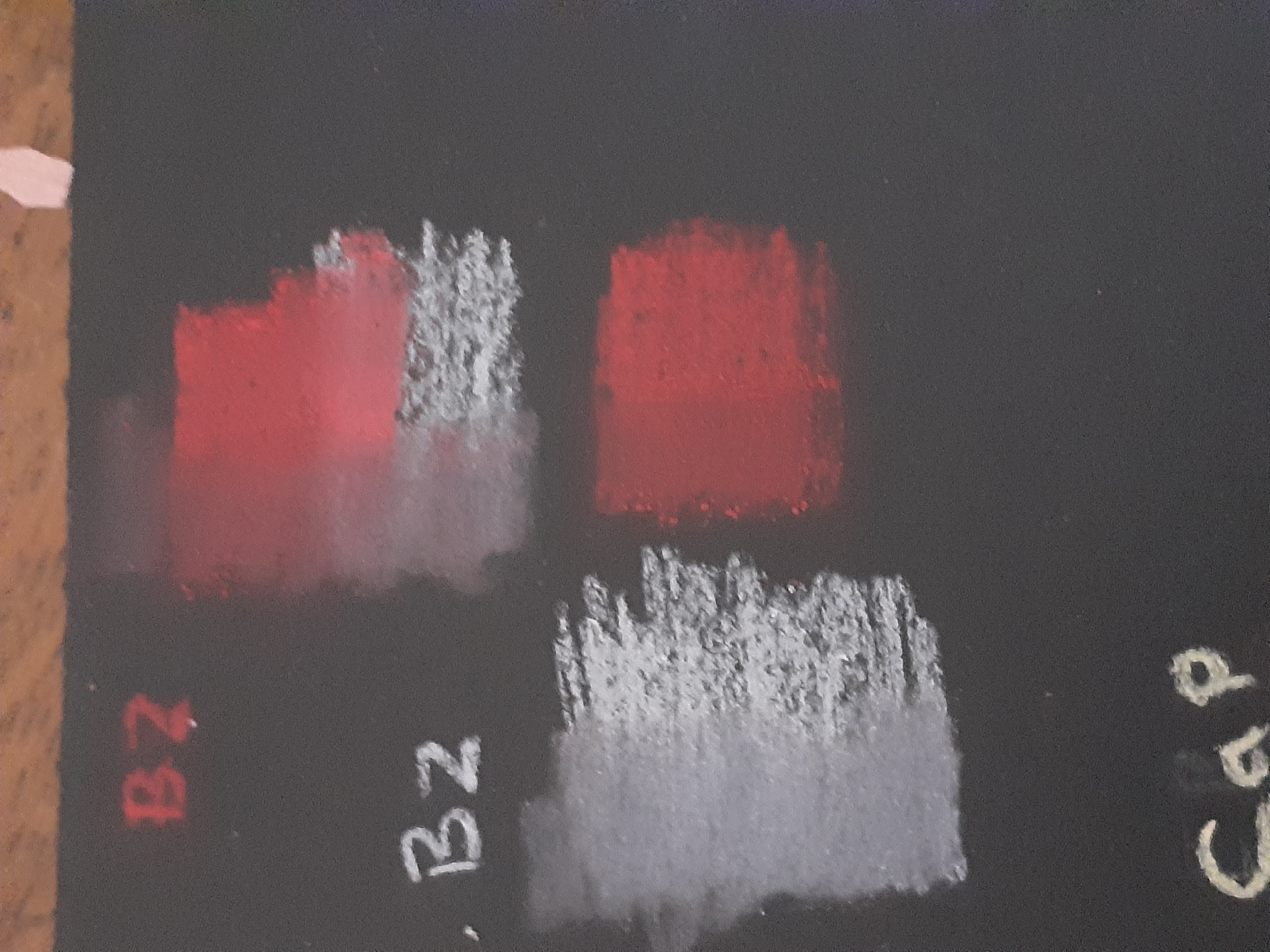

Not all soft pastel pencils are the same. Of these three, Bruynzeel has the highest pigment content and leaves the least dust behind. The paper I’m using isn’t specifically designed for soft pastels—it lacks the texture or fine grains of sand—so there’s nothing to hold the pastel in place. I’ve used a kneaded eraser to remove any excess soft pastel from the paper.
Incidentally, a huge amount of pastel also sticks to the sponge when I try to smooth or blend with it. As far as I’m concerned, it’s better not to use this in combination with this paper.


As you can see, EP doesn’t provide very good coverage. Another annoyance is that the pencils are difficult to sharpen. They don’t fit in the sharpener and the tips keep breaking off. The red Bruynzeel pencil suffers from this too (though this is probably an old pencil). As a result, I can only work with very short tips.


The only good thing about the pink pencil sharpener is the little white pin you can use to push broken shavings out of it. As for catching the shavings, I can’t quite see the logic behind it. They all end up on top. None of these sizes seem to fit the three different pencils. A razor blade works better.
The little fish in the top right-hand corner is drawn with a Conté à Paris pencil, and the difference in opacity is immediately noticeable. Unfortunately, it also seems that the pencil marks can be easily smudged. The ‘excess’ pencil lead literally runs downwards

Bruynzeel was the only pencil that allowed me to make the fish whiter. Of course, a lot of the white was removed after blending, but in reality the colours are always a bit more vibrant than they appear in the photo.
What I haven’t dared to do yet is use hairspray to test whether it smudges the whole drawing. I suspect it does. This type of paper isn’t much different from that in the ‘sketchbook’.
Which type of pencil is most suitable naturally depends on the paper, the way you work, the type of colour (some colours are harder than others) and the result you want to achieve. On white paper, EP can show sufficient pigment, although pencils always have less pigment than crayons.
Materials: black paper 120 gr, pastel pencils (Bruynzeel, EP (Aliexpress), Conté à Paris - all soft pencils are the harder types. Sponge, finger, pencil sharpener, razor blade, kneaded eraser.
31-5-2026